

Principle and Working Scene Characteristics of Bulk Material Pneumatic Conveying Systems in Grain Si
For agricultural and food processing industries, efficient and reliable material handling is crucial to maintaining operational efficiency and product quality. Pneumatic conveying systems represent a sophisticated solution for transporting bulk materials like grains, seeds, and other dry commodities within grain silos. This technology leverages air pressure to move materials through a network of pipes, offering advantages such as reduced contamination, lower labor costs, and enhanced safety compared to traditional mechanical systems.
Core Principles of Pneumatic Conveying Technology
The fundamental principle of pneumatic conveying involves using compressed air or gas to create a flow that transports bulk materials. In grain silo applications, these systems typically operate through two main mechanisms: pressure and vacuum. Pressure systems use positive pressure to push material from a source to a destination, while vacuum systems create a negative pressure to draw material from a source. The choice between these depends on factors such as material characteristics, distance, and system layout. For instance, pressure systems are often preferred for short to medium distances and high-volume applications, whereas vacuum systems are suitable for longer distances or when material needs to be collected from multiple points.

Key Components and Their Functions
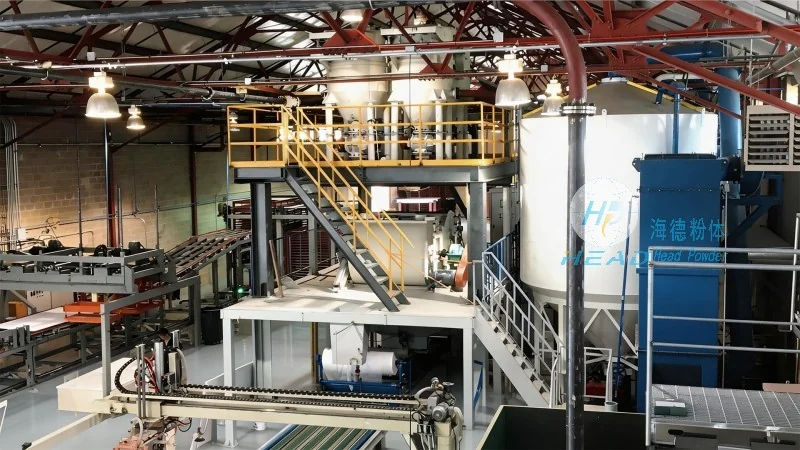
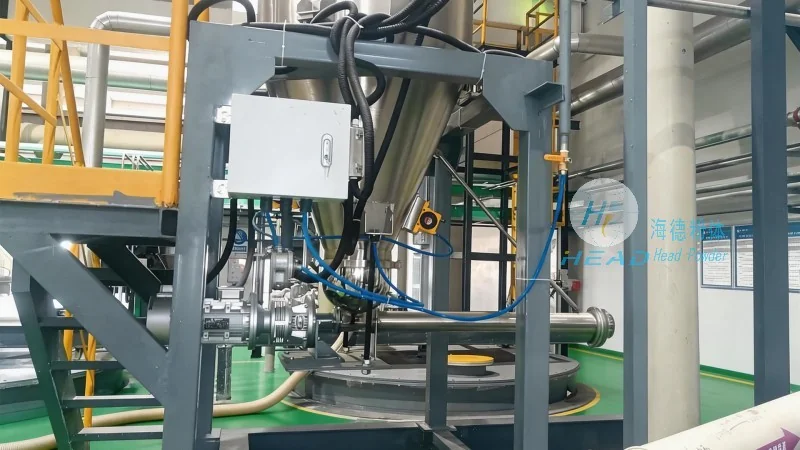
HeadPowder Engineering Co., Ltd., a leading provider of material handling solutions, designs and manufactures comprehensive pneumatic conveying systems tailored for grain silos. The core components of such a system include the hopper (for material storage and feeding), the conveyor line (a network of pipes for material transport), the air compressor or vacuum pump (to generate the necessary pressure or vacuum), and the control system (to regulate flow and pressure). Each component plays a critical role in ensuring the system operates smoothly and efficiently. For example, the hopper must be designed to prevent material bridging and ensure consistent feeding, while the conveyor line must be constructed from materials resistant to corrosion and abrasion, given the nature of grain handling. The air compressor must deliver sufficient pressure or vacuum to maintain the desired flow rate, and the control system must provide real-time monitoring and adjustment capabilities to adapt to varying material conditions or operational demands.
Working Scene Characteristics and Application Scenarios
The working scene characteristics of pneumatic conveying systems in grain silos are shaped by the specific requirements of each facility. These systems are commonly used in scenarios where materials need to be transferred between different parts of the silo, such as from storage bins to processing lines or from one storage area to another. A typical application might involve moving grain from a large storage silo to a processing plant for further refinement, such as milling or packaging. In this scenario, the pneumatic conveying system would efficiently transport the grain through a network of pipes, minimizing the need for manual handling and reducing the risk of contamination. Another common scenario is the transfer of materials between multiple silos or storage units, especially in large-scale agricultural operations where inventory management is critical. The flexibility of pneumatic conveying systems allows for the integration of multiple sources and destinations, making them ideal for complex material flow management.
Advantages and Practical Considerations
Implementing pneumatic conveying systems in grain silos offers several advantages that make them a preferred choice for many industries. One of the primary benefits is the reduction in labor costs, as automated systems handle material transport without the need for manual labor. Additionally, these systems minimize product contamination, as the enclosed pipes prevent exposure to dust, moisture, or other environmental factors. Safety is another key advantage, as the enclosed system reduces the risk of accidents associated with manual handling of bulk materials. However, practical considerations must be taken into account when designing and installing such systems. For instance, the material characteristics, such as particle size, moisture content, and flowability, significantly impact system performance. Materials with high moisture content or fine particles may require specialized equipment or adjustments to ensure smooth transport. Furthermore, the system's layout and the distance between source and destination must be carefully planned to optimize efficiency and minimize energy consumption. HeadPowder Engineering Co., Ltd. specializes in addressing these considerations by providing customized solutions that meet the specific needs of each client, ensuring optimal performance and reliability.