

Principle and Working Scene Characteristics of Air-Driven Stone Aggregate Conveying
At Shandong HeadPowder Engineering Co., Ltd., we specialize in providing advanced air-driven conveying solutions for handling stone aggregates. This technology offers an efficient and reliable method for transporting bulk materials like stone aggregates, gravel, and similar granular substances. The core principle of air-driven conveying involves using a pressurized or vacuum system to move materials through a pipeline using air as the medium. This approach eliminates the need for traditional mechanical components such as belts, buckets, or screw conveyors, making it ideal for applications where material handling needs to be flexible and low-maintenance.
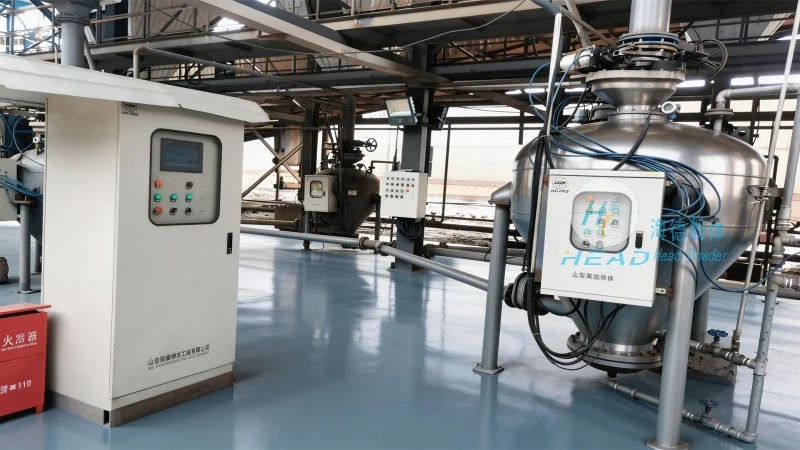
The Fundamental Principle of Air-Driven Conveying
The air-driven conveying system operates on the principle of pneumatic transport. In a typical setup, a blower or vacuum pump generates a flow of air within a sealed pipeline. The material to be conveyed is introduced into the pipeline, often mixed with the air stream or fed into a hopper that feeds the material into the pipeline at a controlled rate. The air flow then propels the material forward, ensuring consistent and continuous transport. This method leverages the kinetic energy of the air to move the material, which can be adjusted based on the material's density, size, and the required conveying distance. The system can be configured as either a positive pressure system (where air is blown into the pipeline) or a negative pressure system (where air is drawn out by a vacuum pump), depending on the application requirements.
Key Working Scene Characteristics
When considering the application of air-driven stone aggregate conveying, several key characteristics define its suitability for various industrial settings. First, the system is highly flexible in terms of layout. Since it uses a pipeline network, the conveying path can be easily reconfigured or extended without major structural changes. This adaptability is crucial for construction sites, quarries, and processing plants where material flow paths may need to be adjusted frequently. Second, the system offers excellent dust control. By enclosing the material in a sealed pipeline, the risk of dust emission is significantly reduced, which is essential for maintaining a safe and compliant working environment, especially in regions with strict air quality regulations. Third, the air-driven system provides a hygienic and clean conveying process. This is particularly important for food-grade or pharmaceutical applications where contamination must be minimized. The enclosed pipeline prevents material from coming into contact with external contaminants and reduces the need for cleaning between different material types.
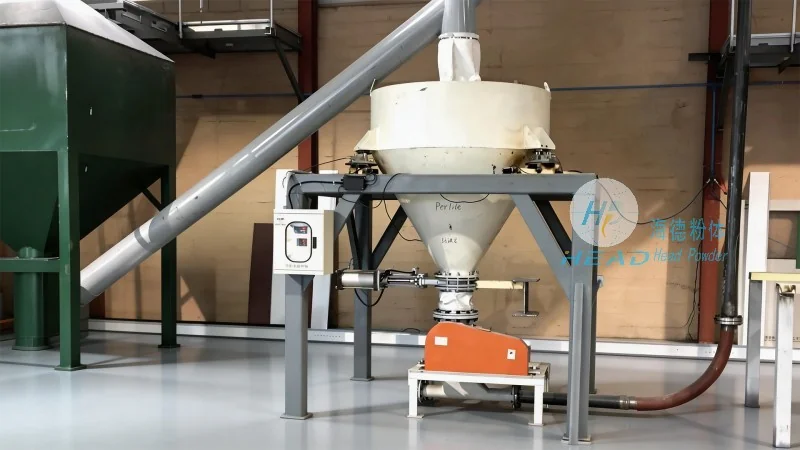
Applications in Construction and Quarrying
One of the primary working scenes for air-driven stone aggregate conveying is in the construction and quarrying industries. In these environments, large volumes of stone aggregates are transported from storage areas to processing plants or directly to construction sites. The air-driven system is well-suited for this because it can handle high material loads over long distances with minimal energy consumption. For example, in a quarry, stone aggregates are extracted from the ground, crushed, and then conveyed to a storage silo using an air-driven system. This allows for efficient material movement without the need for heavy machinery or manual labor. The system's ability to operate in dusty and rugged environments also makes it a preferred choice for quarry operations, where other conveying methods might be less effective or more costly to maintain.
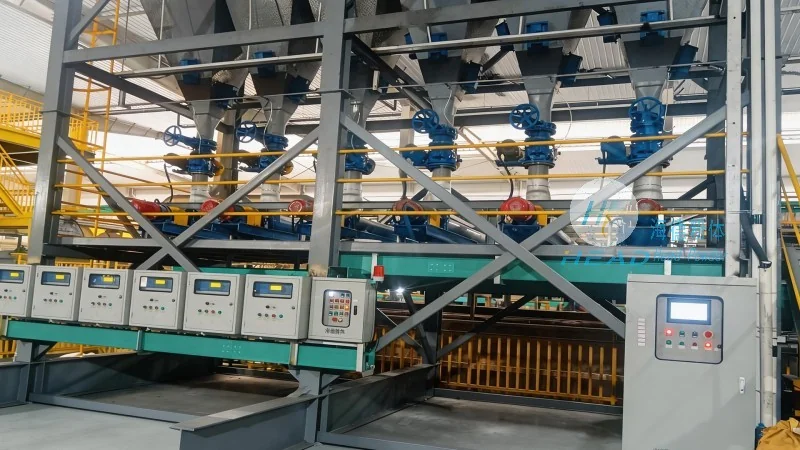
Integration in Processing Plants
Another important working scene is within processing plants that handle stone aggregates for further processing, such as crushing, screening, or mixing. The air-driven conveying system can be integrated into the plant's material flow to transport raw aggregates from storage to the processing equipment. This integration ensures a continuous and smooth operation, as the system can maintain a consistent flow rate regardless of the plant's production demands. The system's ability to handle different material types, including wet or dry aggregates, makes it versatile for various processing stages. For instance, in a concrete mixing plant, stone aggregates are conveyed from a storage silo to the mixing unit using an air-driven system. This ensures that the aggregates are delivered to the mixer at the right time and in the right quantity, optimizing the overall production efficiency.
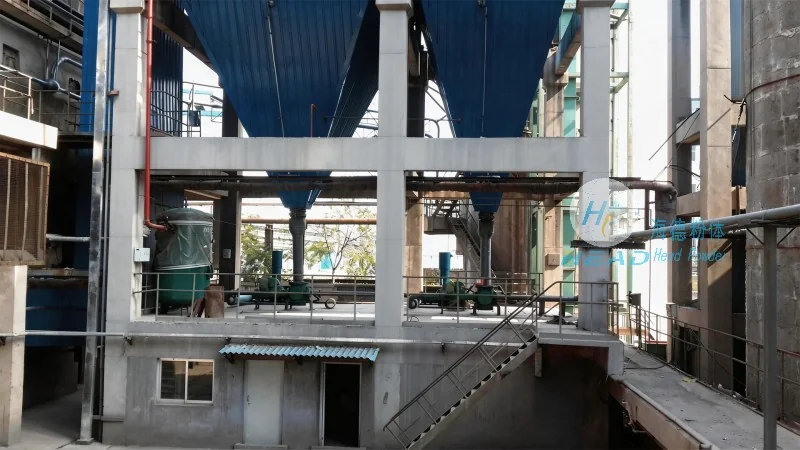
Advantages Over Traditional Conveying Methods
Compared to traditional mechanical conveying methods, air-driven stone aggregate conveying offers several advantages. First, it reduces maintenance costs. Since there are no moving parts in direct contact with the material (except for the air flow), the system experiences less wear and tear. This results in lower maintenance requirements and longer service life. Second, the system is more energy-efficient. By using air as the conveying medium, the energy consumption is typically lower than that of mechanical systems, especially over long distances. Third, the system provides better material handling for delicate or abrasive materials. The enclosed pipeline prevents material degradation and reduces the risk of material breakage, which is critical for high-value stone aggregates. Additionally, the system's ability to handle variable material loads without affecting performance makes it more reliable than mechanical systems that may experience bottlenecks or jams.
Customization and Scalability
Shandong HeadPowder Engineering Co., Ltd. offers customized air-driven stone aggregate conveying solutions tailored to the specific needs of each client. The system can be scaled to handle different material volumes, from small-scale applications in a local construction site to large-scale operations in a major quarry or processing plant. The company's engineers work closely with clients to design a system that meets their exact requirements, including the conveying distance, material type, and operational conditions. Customization options include different pipeline materials (such as stainless steel or plastic), varying air pressure levels, and the integration of control systems for automated operation. This flexibility ensures that the system is optimized for the client's specific working scene, maximizing efficiency and minimizing operational costs.