

Principle and Working Scene Characteristics of Sodium Hypochlorite Powder Pneumatic Conveying Machin
HeadPowder, or Shandong HeadPowder Engineering Co., Ltd., is a professional manufacturer based in Shandong, China, specializing in the design, development, and production of advanced pneumatic conveying systems for various industrial applications. The company focuses on providing efficient and reliable solutions for handling powders, including sodium hypochlorite, a key chemical widely used in water treatment, disinfection, and other industrial processes.
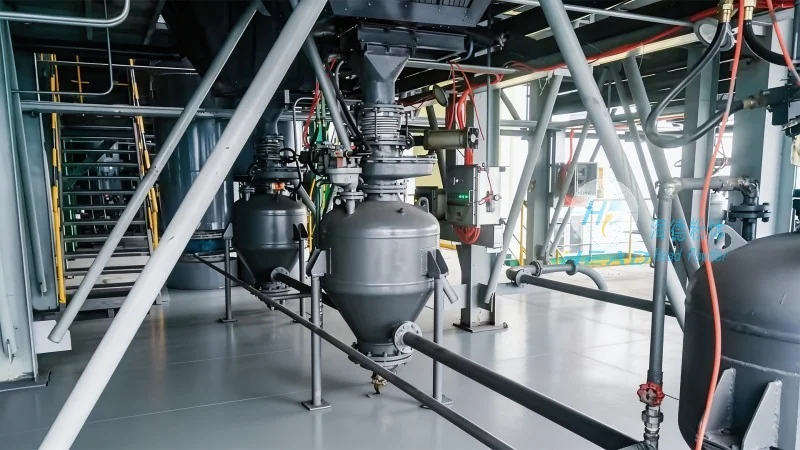
Principle of Sodium Hypochlorite Powder Pneumatic Conveying Machine
The core principle of a sodium hypochlorite powder pneumatic conveying machine lies in the use of air as the conveying medium to transport dry powder materials. This system typically consists of a hopper for material storage, a rotary valve or feeder to control the flow rate, a conveying pipeline, and a receiver for the discharged material. The operation involves creating a negative pressure or positive pressure within the pipeline to draw or push the powder particles along with the air stream. The machine ensures uniform and continuous material transport by maintaining a stable air flow rate and pressure, which is crucial for preventing material segregation and ensuring consistent product quality.
For sodium hypochlorite, a highly reactive and potentially corrosive powder, the conveying system must be designed with materials that can withstand chemical exposure, such as stainless steel or specialized coatings. The air filtration system is also critical to prevent dust contamination and ensure compliance with environmental regulations. The machine's control system, often equipped with sensors and automation, allows for real-time monitoring of flow rates, pressure, and temperature, enhancing operational efficiency and safety.
Working Scene Characteristics of Sodium Hypochlorite Powder Pneumatic Conveying Machine
The working scene characteristics of sodium hypochlorite powder pneumatic conveying machines vary based on the specific industrial application. In water treatment facilities, these machines are used to transport sodium hypochlorite from storage tanks to dosing points, where it is mixed with water to achieve disinfection. The key characteristics in this scenario include high accuracy in dosing, as precise control of the chemical concentration is essential for effective water treatment. The system must also be able to handle the corrosive nature of the powder, ensuring long-term durability and minimal maintenance.
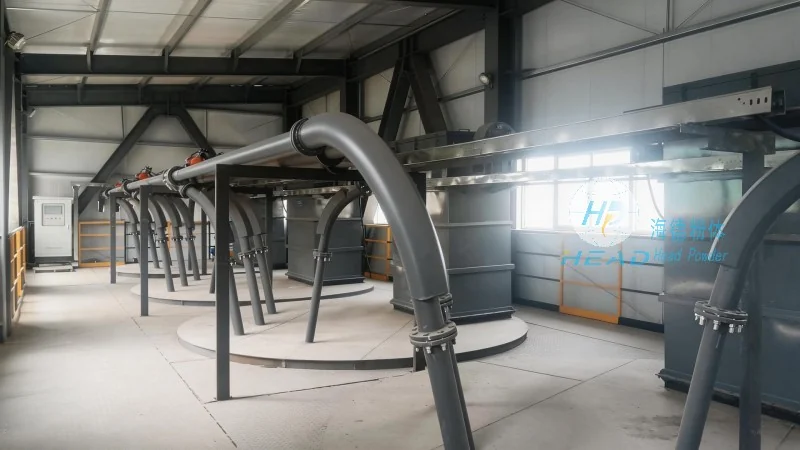
In industrial cleaning and disinfection processes, the machine may be used to deliver sodium hypochlorite to cleaning equipment or spray systems. Here, the characteristics focus on flexibility in conveying distance and the ability to handle varying flow rates. The system may need to integrate with other equipment, such as pumps or mixers, to ensure seamless operation. The safety features, including explosion-proof designs and emergency shut-off mechanisms, are particularly important in these environments to prevent accidents.
In manufacturing plants that produce sodium hypochlorite or related chemicals, the machine is used for internal material transfer between production lines. The characteristics in this context include high throughput capacity and the ability to handle large volumes of powder. The system may also require integration with process control systems to align with production schedules and quality standards. The reliability of the conveying system is critical to maintaining production continuity and minimizing downtime.
Key Features and Advantages in Application
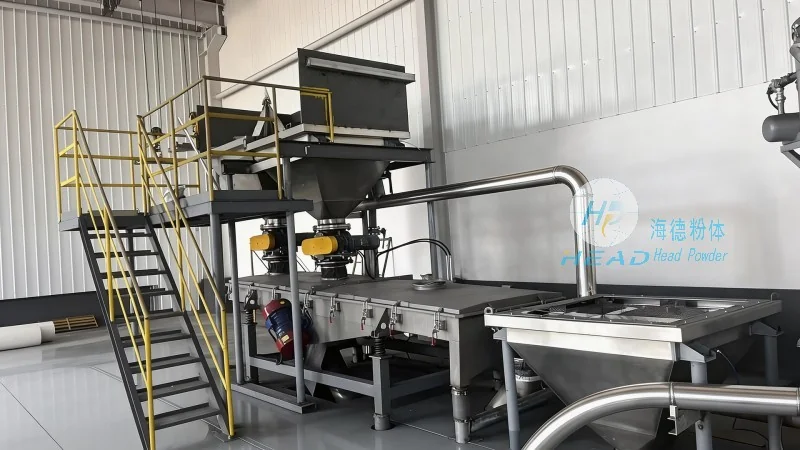
When applied to sodium hypochlorite powder handling, the pneumatic conveying machine offers several advantages over traditional methods like bucket elevators or screw conveyors. One of the primary benefits is the ability to transport materials over long distances without the need for multiple transfer points, reducing the risk of material degradation and contamination. The system also minimizes the need for manual handling, enhancing workplace safety and reducing labor costs.
Another advantage is the flexibility in system design. The conveying pipeline can be easily reconfigured or extended to accommodate changes in production needs or facility layout. The machine can handle varying particle sizes and moisture contents, making it suitable for different grades of sodium hypochlorite. The control system's adaptability allows for integration with existing production lines, ensuring smooth operation and minimal disruption.
The durability and corrosion resistance of the equipment are also significant factors. Since sodium hypochlorite is a strong oxidizing agent, the machine's components must be made from materials that can resist chemical attack. Stainless steel construction, along with specialized coatings, provides long-term protection against corrosion, extending the equipment's service life and reducing maintenance costs. The air filtration system ensures that the powder is conveyed in a clean environment, preventing dust accumulation and maintaining compliance with environmental regulations.