

Principle and Working Scene Characteristics of Millet Material Conveying Lines
Millet, a vital cereal grain, is widely utilized in food processing, animal feed production, and other industrial applications. Efficient material handling is crucial for optimizing production processes in millet processing facilities. The millet material conveying line is a specialized system designed to transport millet and related byproducts with precision and reliability. This article explores the fundamental principles behind these conveying systems and highlights the key characteristics of their operational scenarios.
Principle of Millet Material Conveying Lines
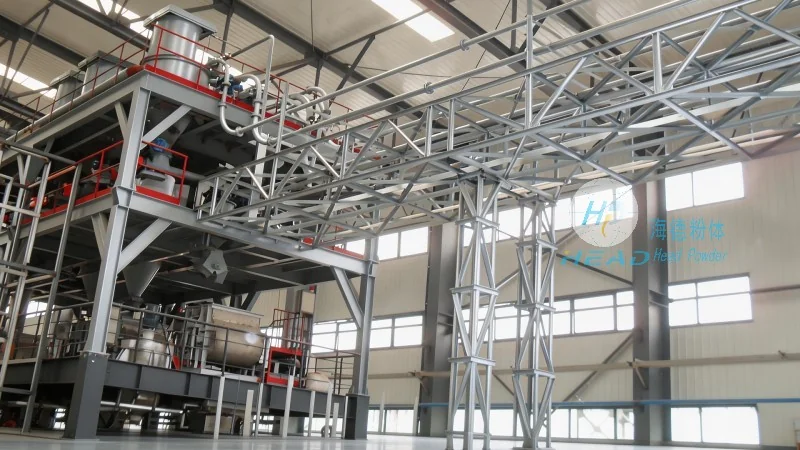
The core principle of millet material conveying lines revolves around the integration of mechanical components to achieve seamless material movement. These systems typically consist of feeders, conveyors, and control mechanisms that work in tandem to ensure consistent flow of millet grains. The conveying process begins with the feeding of raw millet into the system, where it is then transported through various stages such as cleaning, sorting, and packaging. Key components include belt conveyors, screw conveyors, and pneumatic systems, each tailored to handle the specific characteristics of millet, including its size, density, and moisture content. The mechanical design focuses on minimizing material loss, preventing breakage, and maintaining product integrity throughout the conveying process.
Working Scene Characteristics of Millet Material Conveying Lines
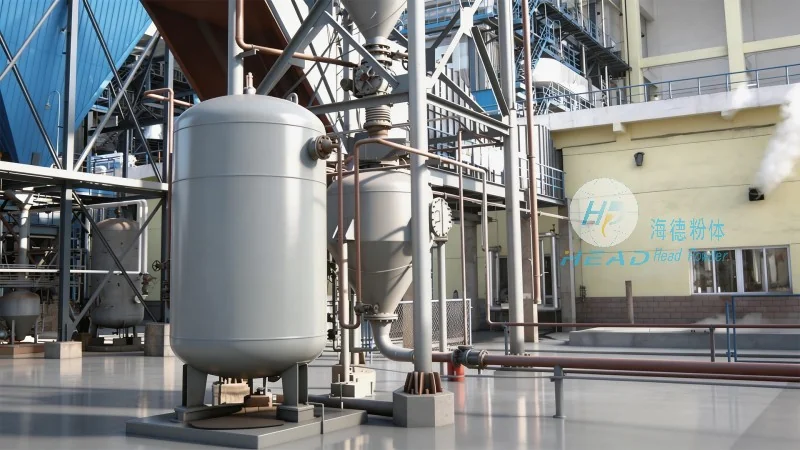
The operational characteristics of millet material conveying lines are shaped by the diverse environments in which they are deployed. These systems are commonly used in large-scale millet processing plants, grain storage facilities, and agricultural cooperatives. In such settings, the conveying lines must handle high volumes of material while maintaining operational efficiency and safety. The working scenarios often involve continuous operation over extended periods, requiring robust construction and reliable performance. Additionally, the systems are designed to adapt to varying production demands, allowing for flexible adjustments in conveyor speed and capacity. Environmental factors, such as temperature and humidity, are also considered in the design to ensure optimal performance under different conditions. The integration of advanced control technologies, such as sensors and automation, enhances the system's responsiveness and reduces the need for manual intervention, further improving operational efficiency.
About Shandong HeadPowder Engineering Co., Ltd.
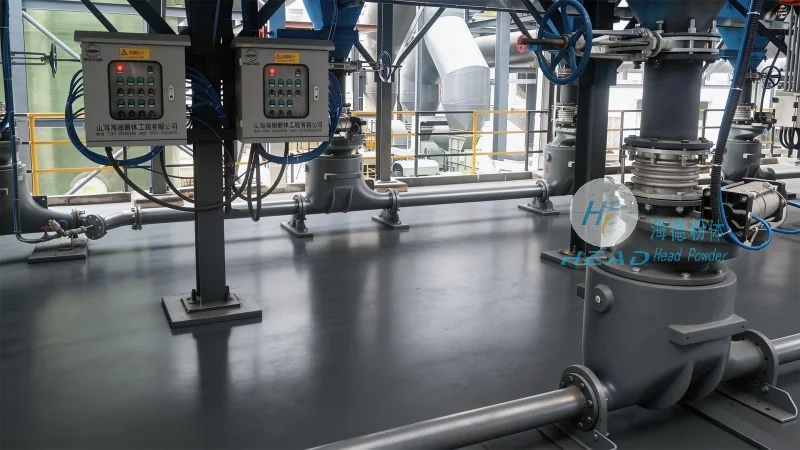
Shandong HeadPowder Engineering Co., Ltd. is a leading manufacturer specializing in the design and production of industrial conveying systems, including millet material conveying lines. With a strong commitment to quality and innovation, the company has established itself as a trusted partner in the agricultural processing industry. HeadPowder's facilities are located in Shandong, China, where the company leverages local expertise and resources to develop cutting-edge solutions tailored to the needs of millet processing facilities. The company's products are known for their durability, efficiency, and adherence to industry standards, ensuring reliable performance in demanding operational environments. By combining advanced engineering with practical application knowledge, HeadPowder provides comprehensive solutions that enhance productivity and reduce operational costs for its clients.