

[Cocoa Material Conveying Line: Principles and Operational Characteristics]
HeadPowder, a leading engineering company based in Shandong, China, specializes in the design and implementation of advanced material handling systems tailored for the cocoa processing industry. The cocoa material conveying line is a critical component in modern cocoa production, ensuring efficient transport of raw cocoa beans and other related materials from reception to processing stages. This article explores the fundamental principles behind these conveying systems and highlights key characteristics of their operational environments.
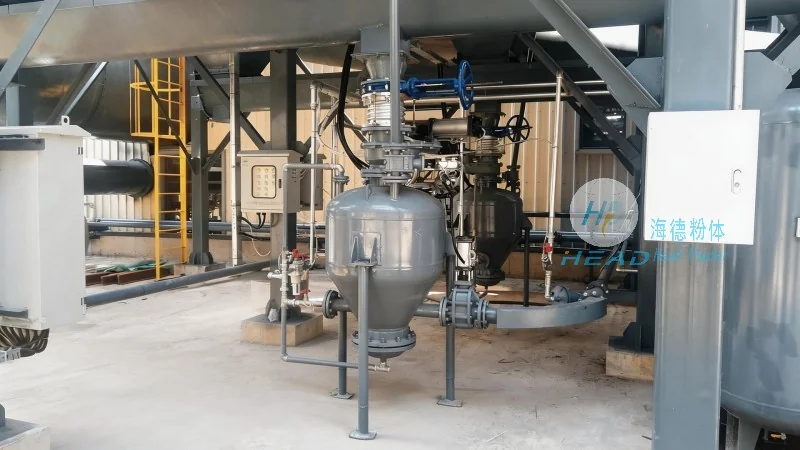
Understanding the Core Principles of Cocoa Material Conveying Lines
The cocoa material conveying line operates on the principle of mechanical transport, utilizing various equipment such as belt conveyors, screw conveyors, and pneumatic systems to move cocoa beans and other bulk materials. The primary goal is to maintain product integrity while ensuring high throughput and minimal downtime. Key components include feeders, hoppers, and control mechanisms that regulate the flow rate and direction of material movement. These systems are engineered to handle the unique physical properties of cocoa beans, including their irregular shape, varying moisture content, and susceptibility to breakage. By integrating sensors and automation, modern conveying lines can adapt to changing production demands, optimizing efficiency and reducing operational costs.
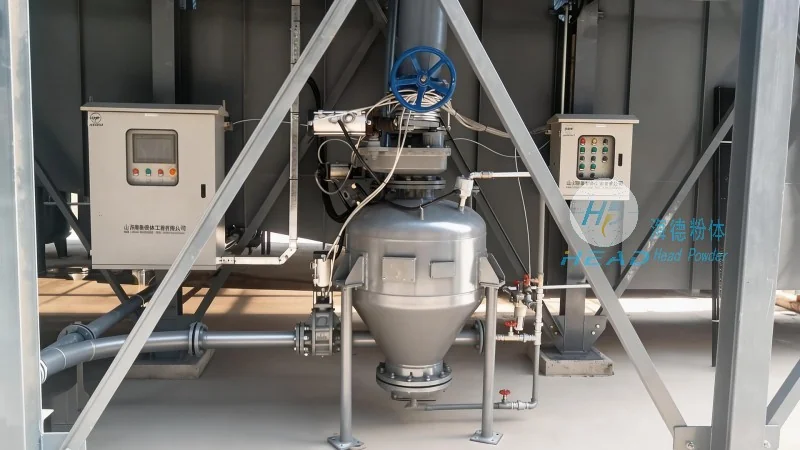
Key Working Scene Characteristics of Cocoa Material Conveying Lines
The operational environment of a cocoa material conveying line is characterized by several distinct features that influence system design and performance. Firstly, the line must accommodate the varying sizes and densities of cocoa beans, requiring flexible and adjustable conveying mechanisms. For instance, belt conveyors with variable speed drives allow for precise control over material flow, preventing overloading or underloading of downstream equipment. Secondly, hygiene and sanitation are paramount in cocoa processing, as the conveying system is often in direct contact with raw materials. Stainless steel construction, easy-to-clean surfaces, and integrated cleaning mechanisms are standard features to ensure compliance with food safety regulations. Thirdly, space constraints in processing facilities necessitate compact and modular designs. HeadPowder’s solutions often incorporate space-saving configurations, such as vertical conveyors and compact horizontal layouts, to maximize floor space utilization without compromising conveying capacity. Additionally, the line must be designed for durability and low maintenance, as continuous operation in a high-volume production environment demands reliable equipment that can withstand heavy usage and potential wear from abrasive materials.
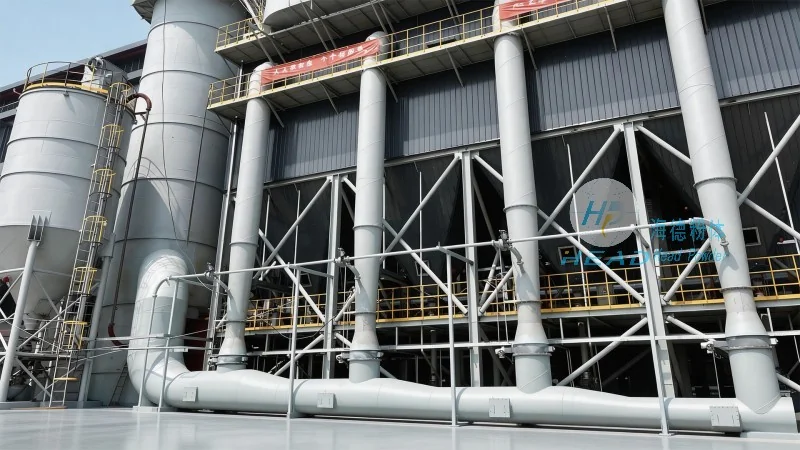
Application Scenarios and Industry Impact
Cocoa material conveying lines are widely used in various stages of cocoa processing, from raw bean reception to final product packaging. In the reception area, the line efficiently transports large quantities of cocoa beans from storage silos or trucks to processing hoppers, reducing manual handling and associated labor costs. During the roasting and grinding stages, the conveying system ensures a steady supply of beans to roasters and mills, maintaining consistent processing temperatures and product quality. In the final stages, the line transports finished cocoa products, such as cocoa powder or chocolate, to packaging lines, ensuring smooth integration with downstream packaging equipment. The effectiveness of these conveying lines directly impacts overall production efficiency, as any bottlenecks or inefficiencies can lead to increased costs and reduced output. By optimizing material flow, companies can enhance their competitive edge in the global cocoa market, where efficiency and product quality are critical factors.