

Principle and Working Scene Characteristics of Automatic Material Feeding and Conveying Equipment
Automatic material feeding and conveying equipment is a critical component in modern industrial processes, designed to enhance efficiency and precision in material handling. This equipment is essential for businesses operating in sectors such as pharmaceuticals, food processing, and chemical manufacturing, where consistent and reliable material transfer is paramount. The following sections will explore the fundamental principles behind these systems and highlight key working scene characteristics that make them indispensable in contemporary industrial settings.
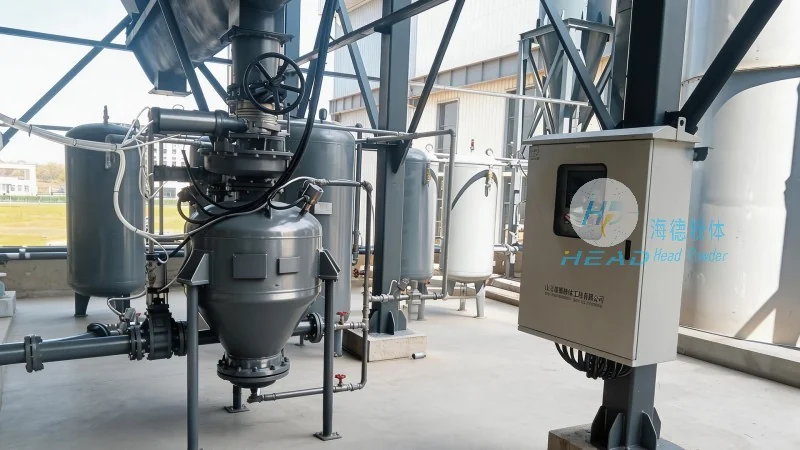
Company Introduction: Shandong HeadPowder Engineering Co., Ltd.
HeadPowder, a leading manufacturer based in Shandong, China, specializes in the design, development, and production of advanced material handling solutions. With a strong commitment to quality and innovation, the company has established itself as a trusted partner for industries requiring high-performance feeding and conveying equipment. HeadPowder's expertise lies in creating customized systems that meet the unique demands of each client, ensuring optimal performance and durability in demanding operational environments.
The Core Principle of Automatic Material Feeding and Conveying Equipment
The operation of automatic material feeding and conveying equipment is built upon a combination of mechanical, pneumatic, and sometimes hydraulic systems. The primary goal is to move bulk materials from a storage or processing point to a designated destination with minimal human intervention. Key components typically include feed hoppers, conveyors (such as belt, screw, or bucket types), control systems, and sensors. The equipment works by first receiving material from a source, then processing it through the conveyor system, and finally delivering it to the next stage of production or packaging. This integrated approach ensures a seamless flow of materials, reducing downtime and increasing overall productivity.
Working Scene Characteristics: Enhancing Operational Efficiency
One of the most significant advantages of automatic material feeding and conveying equipment is its adaptability to diverse working environments. These systems are designed to handle a wide range of materials, from powders and granules to bulk solids, with precision and consistency. In pharmaceutical applications, for instance, the equipment must maintain strict contamination control and hygiene standards, ensuring that materials are transferred without cross-contamination. Similarly, in food processing facilities, the equipment must comply with sanitary design principles, making it suitable for handling food-grade products. The working scene characteristics also include the ability to operate under varying conditions, such as different temperatures and humidity levels, which is crucial for industries operating in diverse climates.
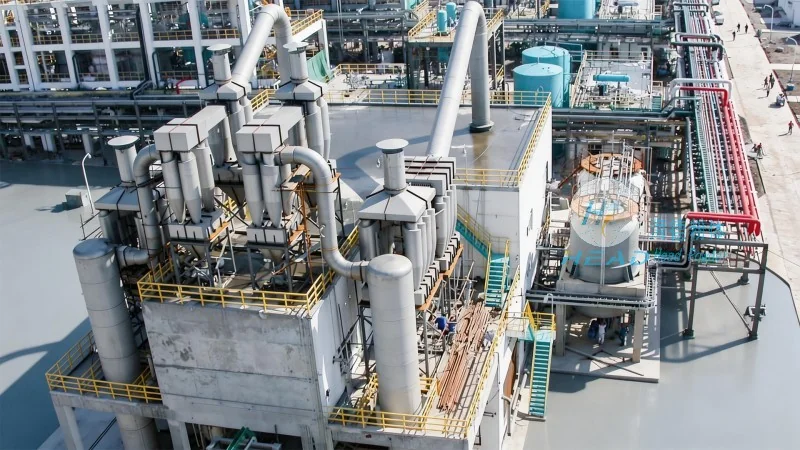
Application Scenarios: From Manufacturing to Packaging
Automatic material feeding and conveying equipment is widely used across various industrial sectors, each with specific requirements that the equipment addresses. In the chemical industry, the equipment is used to transport raw materials to reactors and finished products to storage tanks, ensuring a continuous production cycle. In the food industry, it plays a vital role in transferring ingredients to mixing and packaging lines, maintaining product quality and reducing labor costs. The pharmaceutical sector utilizes these systems for the precise feeding of active ingredients into tablets and capsules, where accuracy is critical for product efficacy. Additionally, in the agricultural sector, the equipment is employed to move bulk agricultural products from storage to processing facilities, improving logistics and efficiency.
Advantages and Benefits in Modern Manufacturing
The implementation of automatic material feeding and conveying equipment offers numerous benefits that contribute to improved operational performance. One of the key advantages is the reduction in labor costs, as the system minimizes the need for manual handling of materials. This not only lowers operational expenses but also enhances workplace safety by reducing the risk of accidents associated with manual lifting and moving. Another significant benefit is the increase in production speed and throughput, as the equipment operates continuously without the need for breaks or rest periods. Furthermore, the precision and consistency of material transfer reduce waste and improve product quality, leading to higher customer satisfaction and reduced rework costs. The equipment also contributes to better inventory management by ensuring that materials are moved in a controlled manner, preventing stockouts or overstocking.
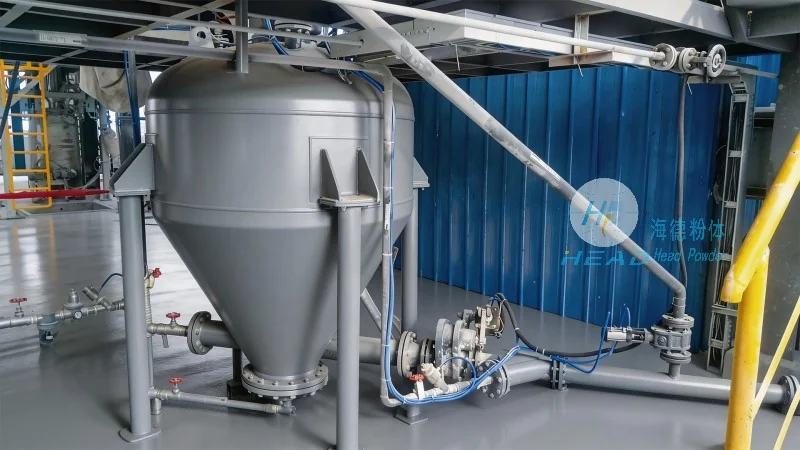
Customization and Integration: Tailoring Solutions to Client Needs
HeadPowder recognizes that each industrial application has unique requirements, and therefore, offers customized solutions to meet specific client needs. The company works closely with clients to understand their operational challenges and design equipment that addresses these challenges effectively. Customization may include adjustments to conveyor speed, material handling capacity, and integration with existing production lines. The equipment can be integrated with other systems, such as weighing scales, quality control devices, and automated packaging machinery, creating a fully automated material handling solution. This integration enhances overall system efficiency and reduces the need for manual intervention, further improving productivity and reducing costs.
Maintenance and Reliability: Ensuring Long-Term Performance
Reliability is a critical factor in the performance of automatic material feeding and conveying equipment. HeadPowder's systems are designed with durability and ease of maintenance in mind. Regular maintenance is essential to ensure the equipment operates at optimal levels and to prevent breakdowns. The company provides comprehensive maintenance services, including routine inspections, part replacements, and troubleshooting. By maintaining the equipment properly, businesses can ensure consistent performance and minimize downtime, which is crucial for maintaining production schedules and meeting customer demands. The use of high-quality materials and components in the construction of the equipment also contributes to its long-term reliability, reducing the need for frequent repairs and replacements.
Conclusion: The Role of Advanced Material Handling Systems
Automatic material feeding and conveying equipment has become an indispensable part of modern industrial operations, offering significant advantages in terms of efficiency, precision, and cost-effectiveness. As industries continue to evolve and demand higher standards of productivity and quality, the importance of these systems will only grow. HeadPowder, with its expertise and commitment to innovation, remains at the forefront of providing advanced material handling solutions that meet the evolving needs of its clients. By leveraging the principles and characteristics discussed above, businesses can enhance their operational performance and achieve sustainable growth in a competitive market.