

Principles and Working Scene Characteristics of Catalyst Powder Conveying Systems
HeadPowder, a leading engineering company based in Shandong, China, specializes in the design and implementation of advanced catalyst powder conveying systems. These systems are crucial for efficient and reliable transportation of catalyst powders in industrial applications, ensuring optimal performance and safety in various processing environments.
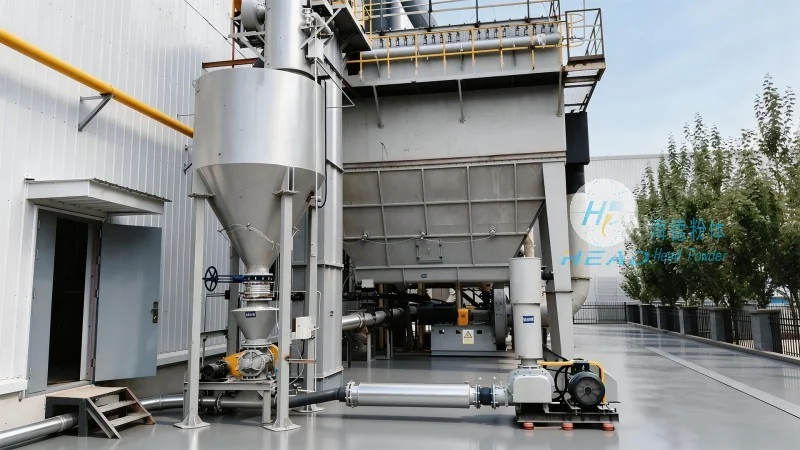
Understanding the Core Principles of Catalyst Powder Conveying Systems
The fundamental principle behind catalyst powder conveying systems lies in the efficient movement of fine powders, such as catalysts, from one location to another within industrial facilities. These systems utilize a combination of mechanical and pneumatic technologies to achieve precise and controlled transportation. The design typically involves components like hoppers, feeders, conveyors, and control systems that work in tandem to maintain consistent flow rates and prevent material degradation or loss.
Key to the system's operation is the balance between pressure, airflow, and material properties. The conveying process often relies on positive or negative pressure to move the powder through pipelines, ensuring that the catalyst remains intact and free from agglomeration. Advanced control mechanisms, including variable speed drives and pressure sensors, allow for real-time adjustments to accommodate varying production demands and material characteristics.
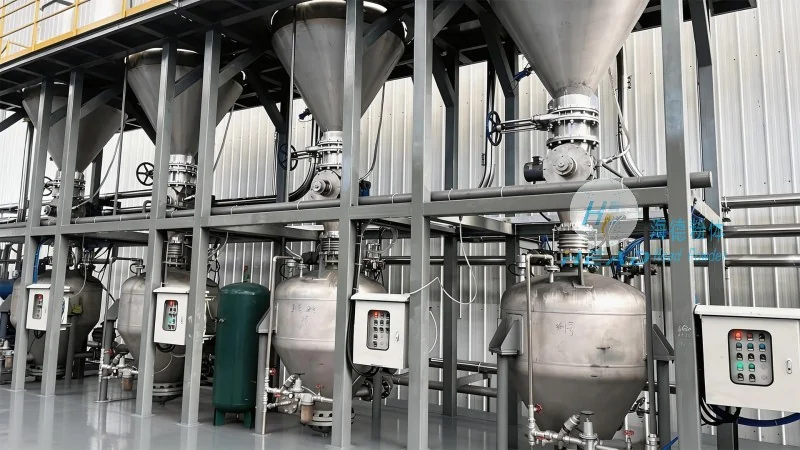
Key Components and Their Functions in Catalyst Powder Conveying Systems
Each component of a catalyst powder conveying system plays a critical role in its overall performance. The hopper serves as the storage and feeding unit, providing a controlled source of material. The feeder, often a rotary or vibratory type, regulates the flow of powder into the conveyor, preventing overloading and ensuring a steady supply. The conveyor itself, which may be pneumatic or mechanical, transports the powder through the system, while the control system monitors and adjusts parameters to maintain optimal operation.
For example, pneumatic conveying systems use compressed air to move the powder, which is suitable for fine, dry materials like catalysts. These systems are known for their ability to handle high volumes and long distances with minimal maintenance. Mechanical conveyors, such as screw or belt conveyors, are also used in certain applications, particularly when dealing with bulkier or more abrasive materials. The choice of component depends on the specific requirements of the catalyst and the processing environment.
Working Scene Characteristics: Applications and Operational Environments
Catalyst powder conveying systems are widely used in various industrial sectors, including chemical, petrochemical, and pharmaceutical industries. The working scene characteristics of these systems are tailored to the specific needs of each application. In chemical plants, for instance, the system must handle high temperatures and corrosive environments, requiring materials and components that are resistant to wear and chemical attack.
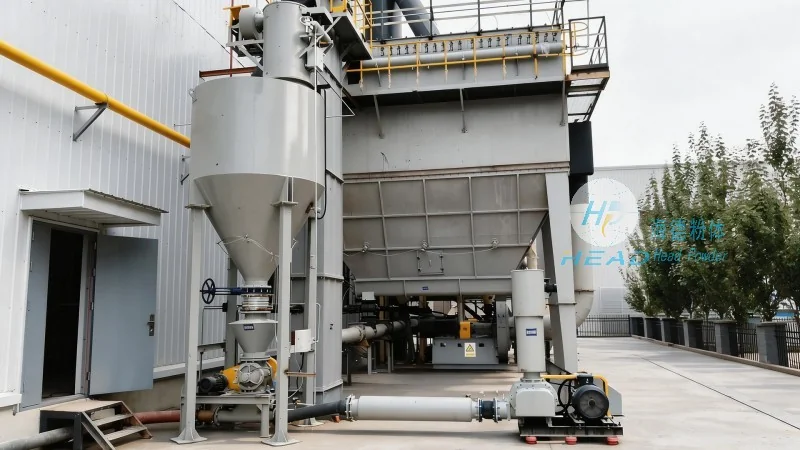
In petrochemical facilities, the system may need to transport catalysts over long distances with high precision, ensuring that the material is delivered to reactors or other processing units without degradation. The operational environment may also involve high pressures and temperatures, necessitating robust design and regular maintenance to prevent failures.
Pharmaceutical applications, on the other hand, demand stringent cleanliness and contamination control. The conveying system must be designed to prevent cross-contamination and maintain sterile conditions, often incorporating features like closed-loop systems and high-efficiency filters. These characteristics highlight the adaptability of catalyst powder conveying systems to diverse industrial needs, making them essential for modern processing operations.
Advantages and Benefits of Efficient Catalyst Powder Conveying Systems
Implementing an efficient catalyst powder conveying system offers numerous advantages for industrial operations. One of the primary benefits is improved process reliability and consistency. By ensuring a steady and controlled flow of catalysts, the system minimizes downtime and reduces the risk of material loss or contamination, leading to higher overall productivity.
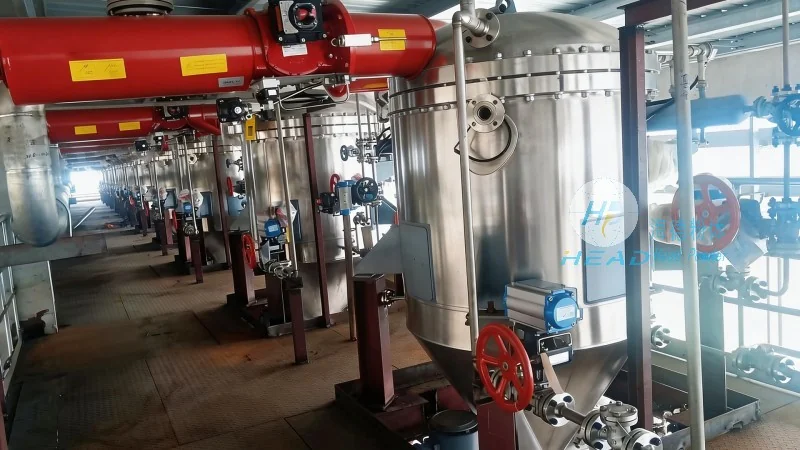
Another key advantage is the reduction in operational costs. Efficient systems require less energy and maintenance compared to traditional methods, such as manual handling or less sophisticated conveying solutions. This translates into lower operational expenses and increased profitability for the company.
Furthermore, these systems enhance safety in the workplace. By automating the transportation of hazardous or fine powders, the risk of dust explosions or inhalation hazards is significantly reduced. The closed-loop design and control systems also minimize the exposure of personnel to the material, creating a safer working environment.