

Principles and Operational Characteristics of Baking Soda Pneumatic Conveying System Equipment
HeadPowder, a leading manufacturer based in Shandong, China, specializes in the design and production of advanced pneumatic conveying systems tailored for the transportation of baking soda and other similar bulk materials. This article delves into the fundamental principles underlying such systems and highlights the key operational characteristics that define their effectiveness in various industrial applications.
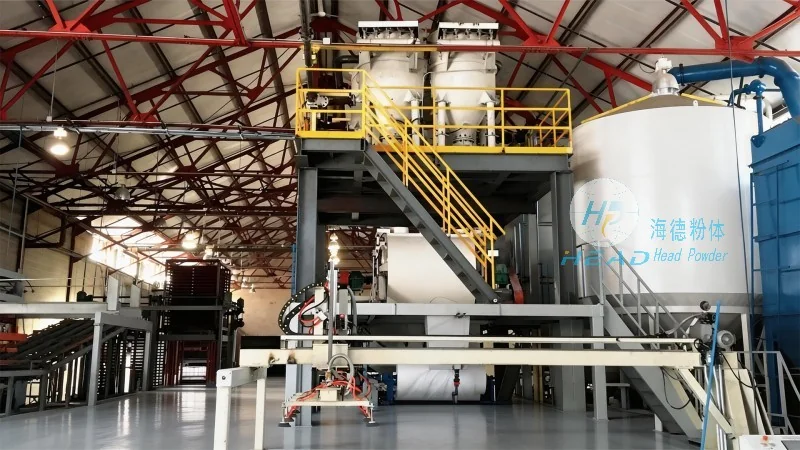
The core principle of a pneumatic conveying system is the use of pressurized or suction air to transport bulk materials through a pipeline. In the case of baking soda, which is a fine, powdery substance, the system must be engineered to handle its specific properties, such as low bulk density and potential for caking or agglomeration. The system typically consists of several components, including a material feeder, a conveying line, a separation or collection unit, and a control system. The material feeder ensures a consistent flow of baking soda into the pipeline, while the conveying line, often made of stainless steel or other corrosion-resistant materials, transports the material under controlled air pressure. The separation unit, such as a cyclone or filter, then separates the baking soda from the air stream, allowing for clean collection and reuse of the air.
One of the primary advantages of pneumatic conveying systems for baking soda is their ability to handle the material in a closed environment, minimizing dust emissions and ensuring compliance with environmental regulations. This is particularly important in food processing and pharmaceutical industries, where product purity and safety are paramount. The system's design also allows for flexible integration into existing production lines, enabling seamless material transfer between different processing stages.

Operational characteristics of the HeadPowder pneumatic conveying system for baking soda include high efficiency in material transport, with minimal product degradation due to the gentle handling of the material. The system is equipped with advanced control mechanisms that monitor air pressure, flow rates, and material levels in real-time, ensuring optimal performance and preventing system failures. Additionally, the system's modular design allows for easy maintenance and scalability, making it suitable for both small-scale and large-scale production facilities.
In industrial settings, the application of baking soda pneumatic conveying systems spans multiple sectors. In food processing, these systems are commonly used to transport baking soda from storage silos to mixing or packaging lines, ensuring a consistent supply of the ingredient. In chemical manufacturing, they facilitate the transfer of baking soda between reactors and storage tanks, supporting continuous production processes. The system's adaptability also makes it suitable for use in research and development laboratories, where precise material handling is critical for experimental work.
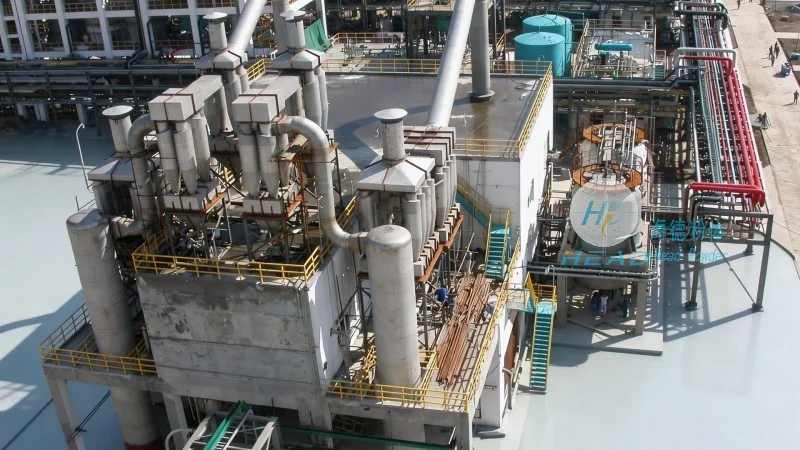
When considering the implementation of a pneumatic conveying system for baking soda, several factors must be taken into account. The system's capacity and pressure requirements must be matched to the production volume and the distance over which the material needs to be conveyed. The choice of material for the conveying line and components is also crucial, as baking soda can be corrosive or abrasive, requiring materials that can withstand long-term exposure. HeadPowder's expertise in material selection and system design ensures that their solutions are tailored to meet the specific needs of each client, providing reliable and efficient operation.
Overall, the pneumatic conveying system for baking soda represents a sophisticated solution for bulk material handling, combining advanced engineering principles with practical operational features. By leveraging the expertise of Shandong HeadPowder Engineering Co., Ltd., industries can benefit from a system that enhances productivity, ensures product quality, and adheres to environmental standards. The system's versatility and reliability make it an essential component in modern manufacturing processes, supporting the efficient and safe handling of baking soda in various applications.