

Principle and Working Scene Characteristics of Inorganic Salt Pneumatic Conveying System Equipment
HeadPowder, a leading provider of industrial material handling solutions, specializes in the design, manufacturing, and installation of pneumatic conveying systems tailored for the transportation of inorganic salts. This article explores the fundamental principles behind these systems and highlights the key working scene characteristics that make them indispensable in various industrial applications.
Understanding the Core Principle of Pneumatic Conveying Systems
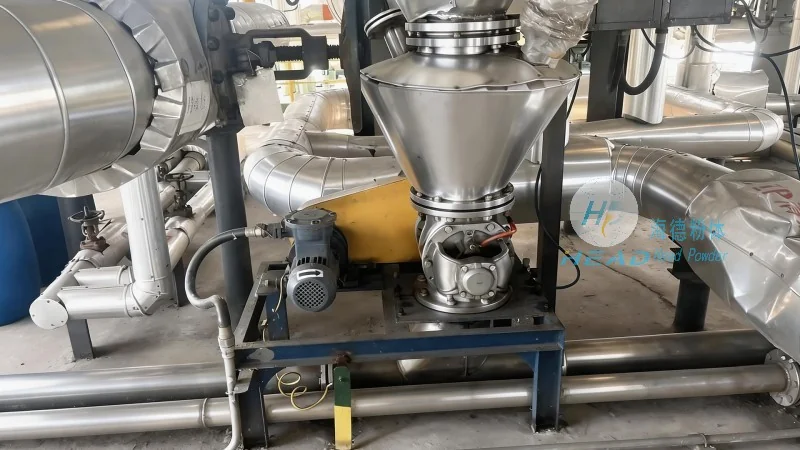
The pneumatic conveying system for inorganic salts operates on the principle of using air or other gases to transport bulk materials through a pipeline network. Unlike traditional mechanical conveying methods, which rely on belts, buckets, or screws, pneumatic systems utilize pressure differentials or vacuum to move materials. The process typically involves a hopper or storage silo where the inorganic salt is stored. An air compressor or vacuum pump generates the necessary airflow, which is directed into the conveying line. As the air flows through the pipeline, it entrains the salt particles, creating a slurry-like mixture that travels to the destination point, such as a processing unit, storage tank, or packaging area. The system can function under positive pressure (pressure conveying) or negative pressure (vacuum conveying), depending on the specific requirements of the application.
Key Working Scene Characteristics of Inorganic Salt Pneumatic Conveying Systems
Several distinct characteristics define the operational environment and performance of pneumatic conveying systems for inorganic salts. First, the system's ability to handle a wide range of particle sizes and shapes is crucial. Inorganic salts can vary from fine powders to coarse granules, and the conveying system must be designed to accommodate these variations without causing blockages or excessive wear on components. Second, the system's efficiency in terms of energy consumption and material throughput is a significant factor. Well-designed systems minimize air usage while maximizing the amount of salt transported per unit of energy, making them cost-effective for large-scale operations. Third, the system's adaptability to different operating conditions, such as varying humidity levels or temperature fluctuations, is essential. Inorganic salts may be sensitive to moisture, and the conveying system must prevent material degradation or caking during transport. Fourth, the system's reliability and maintenance requirements are critical for continuous operation. Pneumatic conveying systems are generally low-maintenance compared to mechanical systems, but regular checks of air filters, pipeline integrity, and valve functionality are necessary to ensure consistent performance.
Applications and Working Scenarios in Industrial Settings
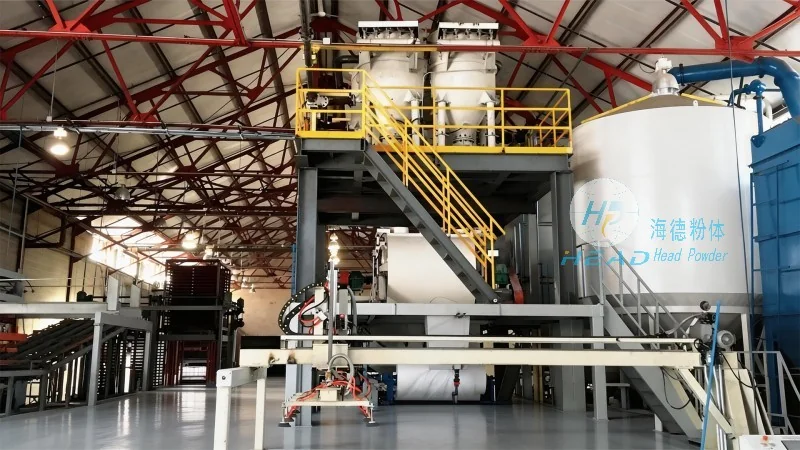
Pneumatic conveying systems for inorganic salts are widely used in various industrial sectors, each presenting unique working scenarios that highlight the system's versatility. In the chemical industry, these systems are employed to transport raw materials like sodium chloride, potassium chloride, or calcium carbonate to reactors and processing units. The systems must handle high volumes of material while maintaining precise control over the flow rate to avoid overloading downstream equipment. In the food and beverage industry, the systems are used to convey salt for seasoning, preservation, or as an ingredient in processed foods. Here, the system must meet stringent hygiene standards, with components designed to be easily cleaned and sanitized. In the mining and mineral processing industry, pneumatic conveying systems transport mined salts from processing plants to storage facilities or for further refining. The systems are often exposed to abrasive materials and harsh environmental conditions, requiring robust construction and corrosion-resistant materials. In the pharmaceutical industry, the systems are used to convey pharmaceutical-grade salts for manufacturing active ingredients or excipients. The system must adhere to strict regulatory requirements, ensuring that the material remains sterile and free from contamination throughout the conveying process.
Advantages of Choosing a Pneumatic Conveying System for Inorganic Salts
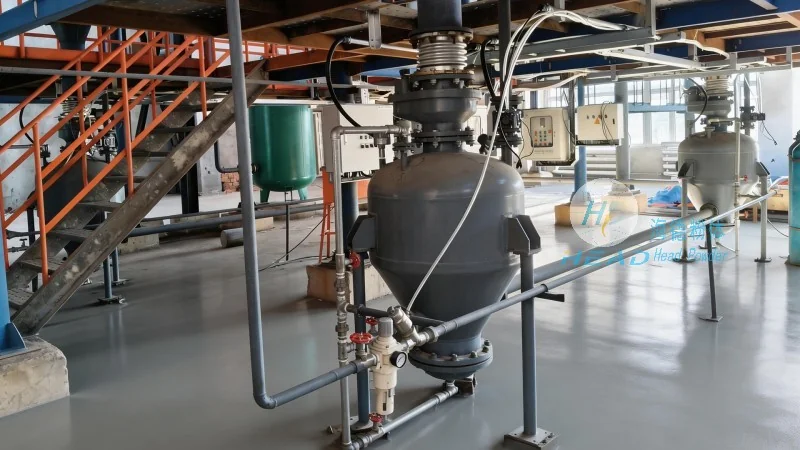
When considering material handling solutions for inorganic salts, pneumatic conveying systems offer several advantages over traditional methods. One of the primary benefits is the ability to transport materials over long distances without the need for intermediate transfer points, which reduces the risk of material loss or contamination. The system's enclosed pipeline design also prevents dust emissions, improving workplace safety and compliance with environmental regulations. Additionally, pneumatic conveying systems can be integrated with other processing equipment, such as mixers, classifiers, or packaging machines, creating a seamless material flow from storage to final product. The flexibility of the system allows for easy reconfiguration or expansion as production needs change, making it a long-term investment for industrial operations. Finally, the low maintenance requirements and reduced downtime compared to mechanical systems contribute to overall operational efficiency and cost savings.
Conclusion and Company Overview
HeadPowder Engineering Co., Ltd., based in Shandong, China, is a trusted partner in the design and implementation of pneumatic conveying systems for inorganic salts. With a focus on innovation and customer-centric solutions, the company leverages advanced engineering principles to develop systems that meet the specific needs of industrial applications. By understanding the unique characteristics of inorganic salts and the operational requirements of different working scenes, HeadPowder provides reliable, efficient, and cost-effective material handling solutions. The company's commitment to quality, safety, and sustainability ensures that its systems not only enhance productivity but also contribute to a safer and more environmentally responsible industrial environment.