

Principle and Working Scene Characteristics of Talc Powder Pneumatic Conveying System Equipment
HeadPowder, a leading manufacturer based in Shandong, China, specializes in the design and production of advanced pneumatic conveying systems tailored for talc powder applications. This article explores the fundamental principles behind these systems and highlights the key working scene characteristics that make them indispensable in various industrial settings.
Understanding the Core Principle of Talc Powder Pneumatic Conveying Systems
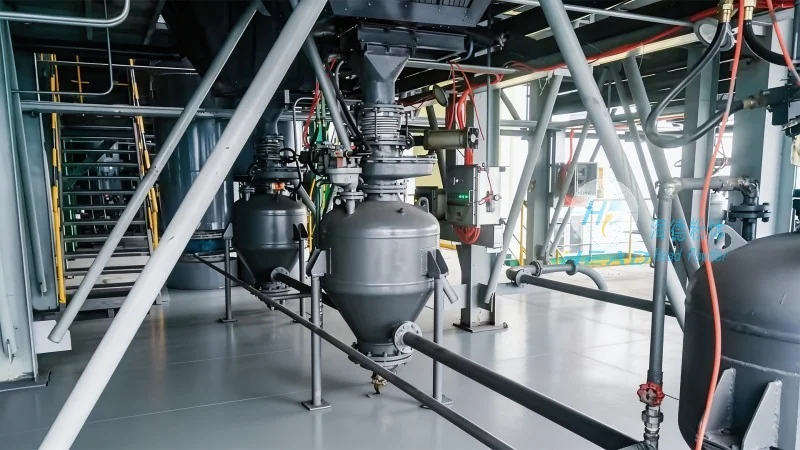
The pneumatic conveying system for talc powder operates on the principle of transporting bulk materials through a pipeline using a stream of air or other gas. In this system, talc powder is fed into a hopper or feeder, where it is then drawn into a pipeline by a fan or blower. The air flow creates a low-pressure zone that pulls the powder particles along with it, ensuring efficient and continuous movement from the source to the destination. This method eliminates the need for mechanical components like belts or buckets, reducing maintenance and operational costs while enhancing safety in handling fine powders.
Key Working Scene Characteristics of Talc Powder Pneumatic Conveying Systems
One of the primary advantages of talc powder pneumatic conveying systems is their ability to handle fine, abrasive powders without causing excessive wear or clogging. The design of the system, including the selection of appropriate materials for the pipeline and components, is crucial in maintaining system efficiency and longevity. For instance, systems often incorporate features such as pulse-jet cleaning mechanisms to prevent material buildup in the pipeline, ensuring consistent performance over extended periods.
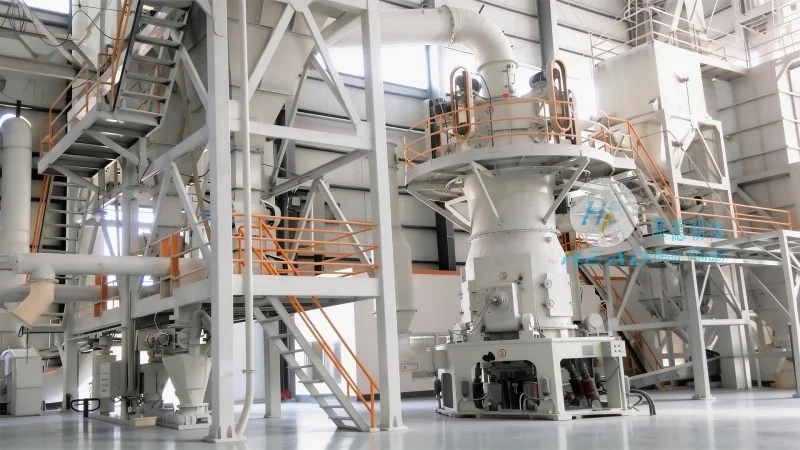
Another significant characteristic is the flexibility in system configuration. These systems can be adapted to various production scales, from small-scale laboratory applications to large industrial plants, by adjusting the capacity of the feeder, the size of the pipeline, and the power of the air source. This adaptability makes them suitable for diverse working environments, including processing plants, packaging facilities, and material handling operations.
Applications and Operational Efficiency in Different Industrial Scenarios
In industrial settings, talc powder pneumatic conveying systems are widely used in the manufacturing of cosmetics, pharmaceuticals, and ceramics, where the purity and consistency of the powder are critical. The system's ability to maintain a dust-free environment and minimize material loss during transport is particularly valuable in these sectors. Additionally, the systems are designed to operate under different pressure conditions, ranging from low-pressure (suction) to high-pressure (pressure) conveying, allowing for customization based on the specific requirements of the application.
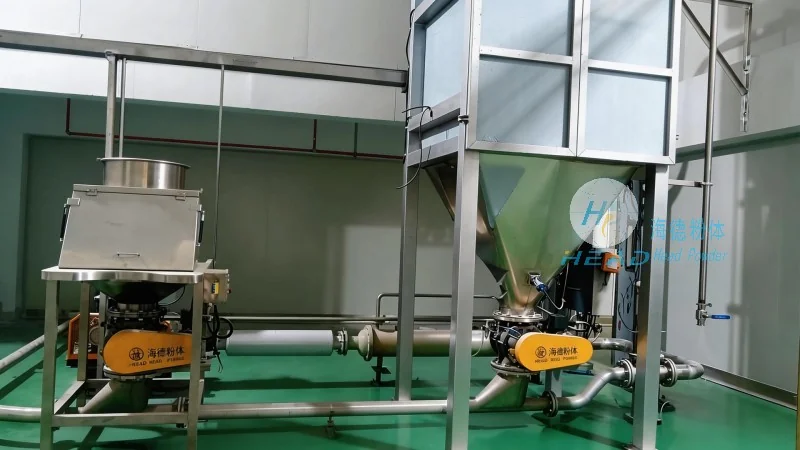
Operational efficiency is further enhanced by the integration of automation and control systems. Modern talc powder pneumatic conveying systems often include sensors and control panels that monitor flow rates, pressure, and temperature in real-time. This allows for immediate adjustments to maintain optimal performance and prevent system failures. The result is a reliable and cost-effective solution for transporting talc powder, contributing to improved productivity and reduced downtime in industrial operations.
Conclusion: The Role of Advanced Pneumatic Conveying Systems in Talc Powder Handling
As a company based in Shandong, China, HeadPowder Engineering Co., Ltd. continues to innovate in the development of pneumatic conveying systems for talc powder. By leveraging advanced engineering principles and materials, these systems offer a superior alternative to traditional mechanical conveying methods. The working scene characteristics, including efficiency, flexibility, and reliability, make them an essential component in modern industrial processes. For industries dealing with talc powder, investing in a well-designed pneumatic conveying system from HeadPowder ensures not only efficient material handling but also compliance with safety and quality standards.