

Principle and Working Scene Characteristics of Air-Solid Conveying Equipment for Wet Ammonium Nitrat
Wet ammonium nitrate, a critical raw material in the fertilizer industry, requires efficient and reliable handling solutions to ensure safe and effective processing. Air-solid conveying equipment, particularly designed for such applications, offers a robust method to transport this material from storage to processing units. Shandong HeadPowder Engineering Co., Ltd. (headpowder), a leading manufacturer in the field, has developed specialized air-solid conveying systems tailored to the unique properties of wet ammonium nitrate, ensuring operational safety and efficiency in industrial settings.
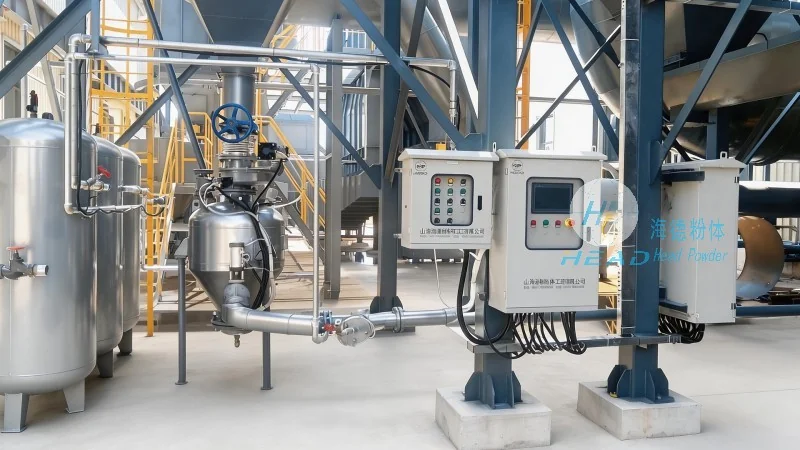
Principle of Air-Solid Conveying for Wet Ammonium Nitrate
The core principle of air-solid conveying for wet ammonium nitrate involves the use of a pressurized air system to transport the material through a pipeline. The equipment typically consists of a hopper, a feeder, a conveying line, and a receiver. The wet ammonium nitrate is fed into the hopper, where it is then introduced into the conveying line under a controlled airflow. The air pressure and velocity are carefully managed to ensure the material is transported without clogging or excessive wear on the system components. This method is particularly effective for materials that are difficult to handle by traditional methods, such as those with high moisture content or cohesive properties.
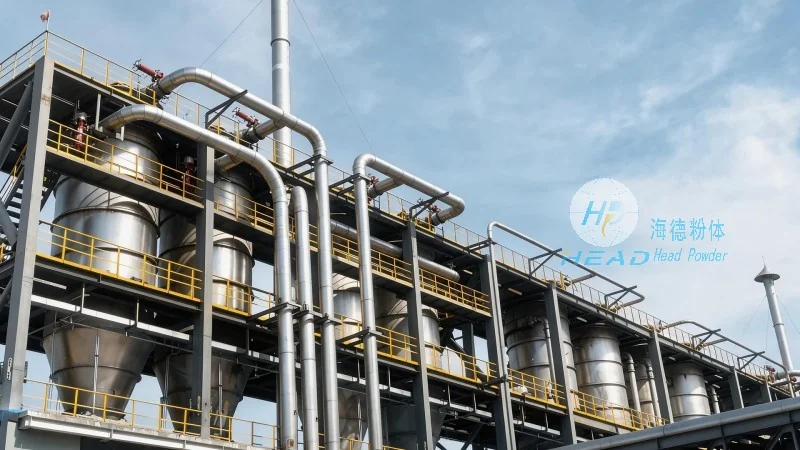
Key Components and Their Functions
Several key components work in tandem to ensure the smooth operation of the air-solid conveying system for wet ammonium nitrate. The hopper serves as the storage and feeding unit, holding the material and providing a controlled feed to the feeder. The feeder, often a rotary or vibratory type, regulates the flow rate of the wet ammonium nitrate into the conveying line, preventing overfeeding and ensuring consistent material transport. The conveying line, usually made of durable materials like stainless steel or special alloys, is designed to withstand the corrosive nature of wet ammonium nitrate and the abrasive effects of the material particles. The receiver at the end of the line collects the material and may include a discharge mechanism to transfer it to the next processing stage. The air system, including blowers and filters, provides the necessary pressure and filtration to maintain a clean and efficient conveying process.
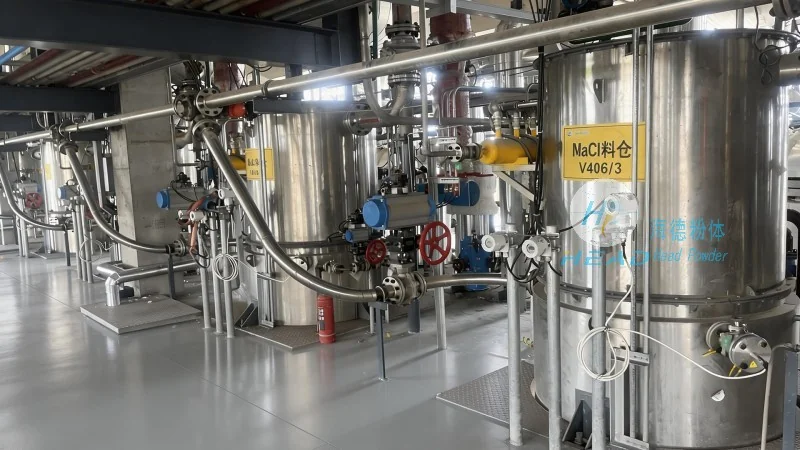
Working Scene Characteristics and Application Benefits
The working scene characteristics of air-solid conveying equipment for wet ammonium nitrate are tailored to the specific needs of industrial facilities. These systems are designed to operate in environments where safety is paramount, as wet ammonium nitrate can be hazardous if not handled properly. The equipment is often installed in enclosed or semi-enclosed areas to contain dust and prevent exposure to personnel. The working scene also considers the scale of operation, with systems available in various capacities to match the production requirements of different facilities. The benefits of using this equipment include improved safety by reducing manual handling, increased efficiency through automated material transport, and reduced downtime due to fewer maintenance issues compared to traditional methods. Additionally, the air-solid conveying system minimizes material degradation by avoiding direct contact with mechanical components, which is crucial for maintaining the quality of wet ammonium nitrate.
Operational Considerations and Maintenance
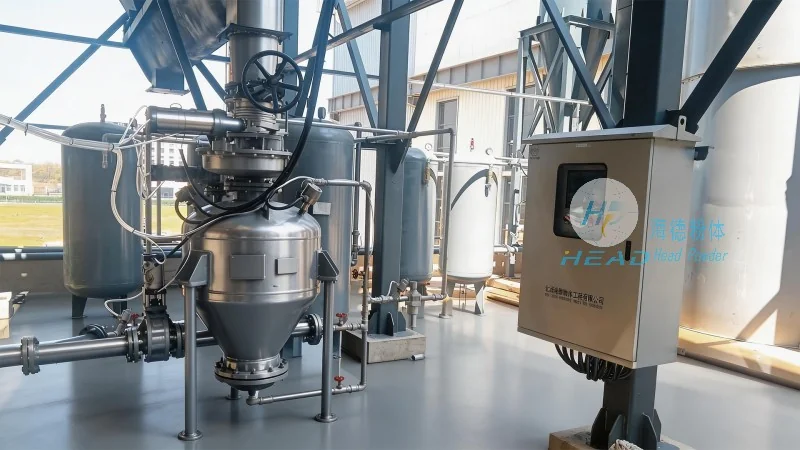
Operational considerations are essential for the effective and safe use of air-solid conveying equipment for wet ammonium nitrate. Regular maintenance is required to ensure the system operates at optimal performance levels. This includes checking the condition of the conveying line, cleaning filters, and inspecting the feeder and hopper for any signs of wear or blockage. The air system must be properly maintained to prevent air leaks, which can reduce conveying efficiency and increase energy consumption. Additionally, the system should be equipped with safety features such as pressure relief valves and dust collection systems to protect against overpressure and dust explosions. Proper training for operators is also crucial to ensure they understand the equipment's operation and can respond to any issues that may arise during operation.
Conclusion
Air-solid conveying equipment for wet ammonium nitrate is a vital component in modern fertilizer processing facilities, offering a reliable and efficient method to handle this critical material. By understanding the principles and working scene characteristics of this equipment, industrial facilities can improve their operational safety, productivity, and overall efficiency. The robust design and careful engineering of these systems ensure they can meet the demanding requirements of wet ammonium nitrate handling, making them an essential investment for any facility involved in fertilizer production.