

Principle and Working Scene Characteristics of Powder Stabilizer Pneumatic Conveying Equipment
HeadPowder, a leading enterprise in industrial material handling solutions, specializes in the design and manufacturing of advanced pneumatic conveying systems tailored for powder stabilizers. This article explores the fundamental principles behind these systems and highlights the key characteristics of their operational environments, providing a comprehensive overview for professionals in related industries.
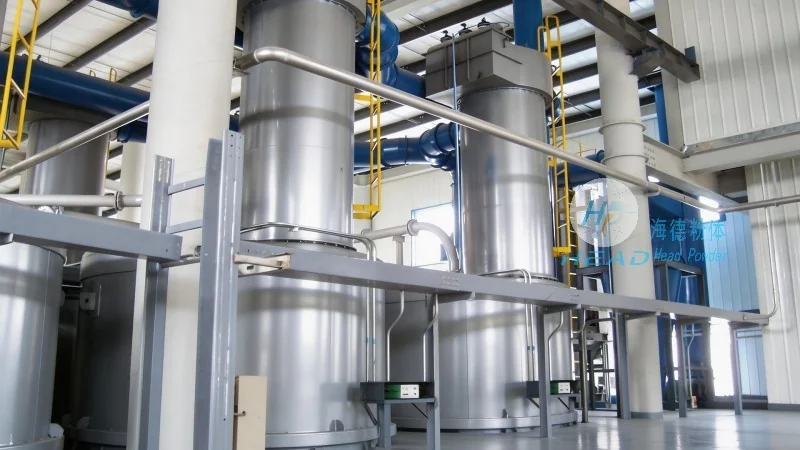
Introduction to Pneumatic Conveying Systems for Powder Stabilizers
Pneumatic conveying technology has become a cornerstone in the efficient transport of bulk powders, including stabilizers used in various manufacturing processes. Unlike traditional mechanical systems, which rely on belts or buckets, pneumatic systems utilize air or gas to move materials through pipelines. This method offers several advantages, such as reduced equipment wear, lower maintenance costs, and the ability to handle materials with high moisture content or abrasive properties. For powder stabilizers, which are often sensitive to handling conditions, the precision and control offered by pneumatic systems are critical to maintaining product quality and consistency.
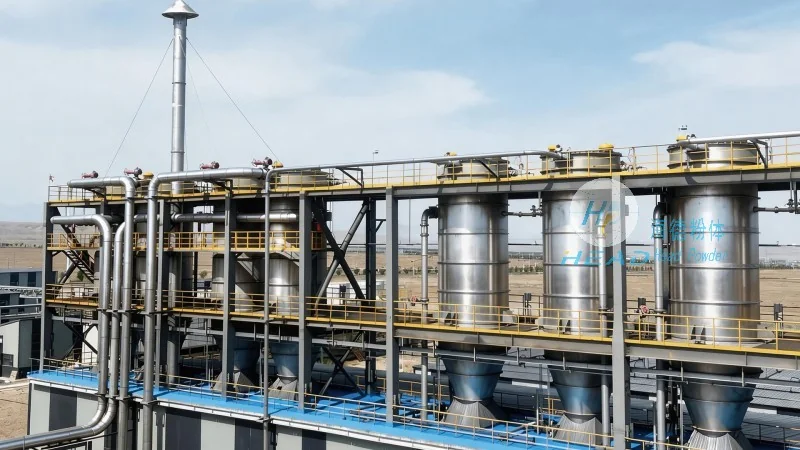
The Fundamental Working Principle
The core principle of pneumatic conveying for powder stabilizers involves creating a pressure differential between the source and the destination. In pressure systems, a blower or compressor generates positive pressure, pushing the material through the pipeline. The material is typically introduced into the system via a hopper or feeder, where it is mixed with the air stream. The mixture travels at high velocity, maintaining the powder in suspension and preventing clogging. At the receiving end, cyclones or filters separate the powder from the air, allowing for clean deposition. Vacuum systems, on the other hand, use a vacuum pump to draw material into the pipeline, which is suitable for applications requiring gentle handling of delicate powders. The control system, equipped with sensors and valves, monitors parameters like pressure, flow rate, and temperature, ensuring optimal performance and preventing system failures.
Characteristics of Operational Environments
The operational environments for powder stabilizer pneumatic conveying systems vary significantly based on the industry and application. In the chemical industry, these systems are commonly employed in polymer production, where stabilizers are added to monomers or resins. The working scenes are characterized by high production volumes, continuous operation, and strict quality control. The equipment must be capable of handling varying particle sizes and densities of stabilizers, often requiring adjustable air flow rates to maintain consistent material transport. In the construction sector, the systems are used to transport cement additives and other powders in concrete mixing plants, where efficiency and reliability are key. The operational environment may involve dust generation, requiring effective dust suppression measures to comply with environmental regulations. Additionally, the systems are designed to integrate seamlessly with existing production lines, minimizing downtime and enhancing overall productivity.
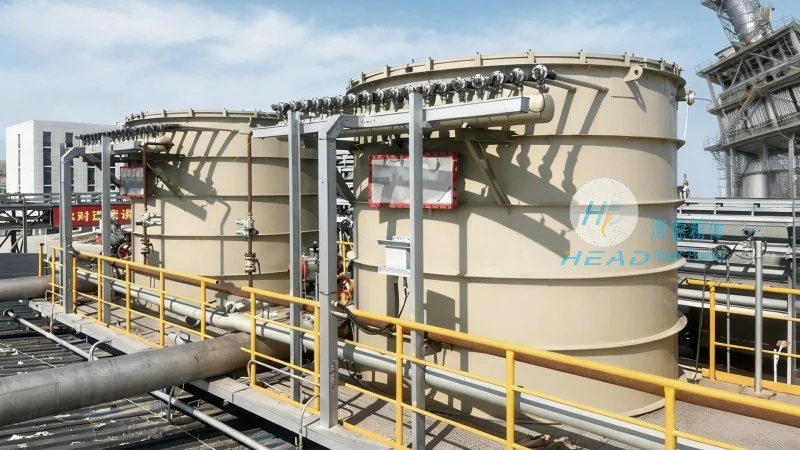
Applications and Benefits Across Industries
Pneumatic conveying equipment for powder stabilizers is widely used in sectors such as pharmaceuticals, food processing, and mining. In the pharmaceutical industry, the systems are essential for transporting active ingredients and excipients with stringent purity standards, where contamination control is non-negotiable. The benefits of these systems include improved product integrity, reduced risk of cross-contamination, and enhanced safety for operators. In food processing, the systems are used to handle food-grade stabilizers, ensuring compliance with hygiene and safety regulations. The flexibility of pneumatic systems allows for adaptation to different production scales, from small-scale batch processing to large-scale continuous operations. For companies like Shandong HeadPowder Engineering Co., Ltd., based in Shandong, China, the development of specialized pneumatic conveying solutions reflects a commitment to delivering high-quality, customized equipment that meets the unique requirements of global clients.