

Principle and Working Scene Characteristics of Dust-Free Material Feeding Pneumatic Conveying Equipm
HeadPowder, a leading provider in the field of material handling solutions, specializes in the design, manufacturing, and installation of advanced dust-free pneumatic conveying systems. With a strong presence in Shandong, China, the company has established itself as a trusted partner for industries seeking efficient and clean material transport solutions. This article explores the core principles behind dust-free material feeding pneumatic conveying equipment, alongside the key characteristics of its working environments.
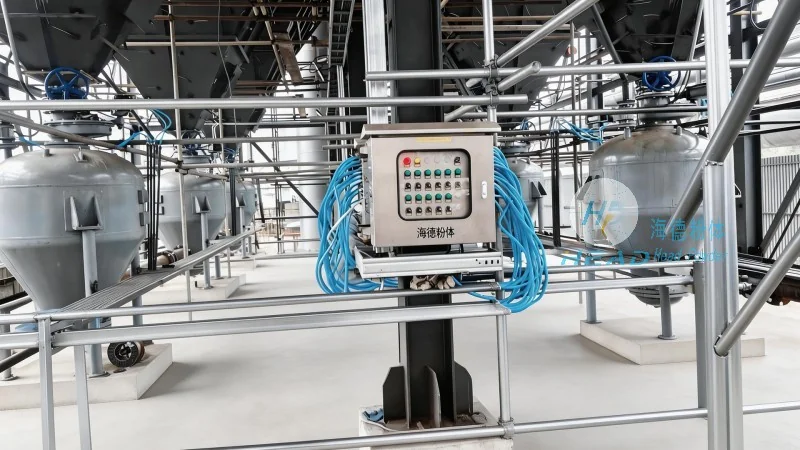
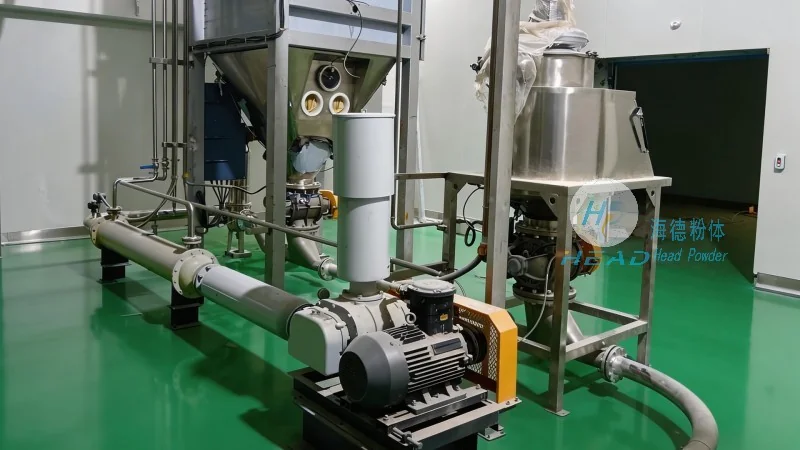
Understanding the Core Principles of Dust-Free Pneumatic Conveying
The fundamental principle of dust-free pneumatic conveying involves the use of air to transport bulk materials from one location to another. Unlike traditional methods that may generate dust and contamination, this technology employs sealed systems and specialized components to maintain a clean and controlled environment. The process typically involves a blower or compressor that generates the necessary air pressure, which then propels the material through a pipeline. Key components include the hopper for material storage, the airlock or feeder to control material flow, and the conveying line itself. The system is designed to minimize particle release, ensuring that the material remains contained and the surrounding area remains dust-free. This approach not only enhances safety but also improves product quality by preventing contamination from external sources.
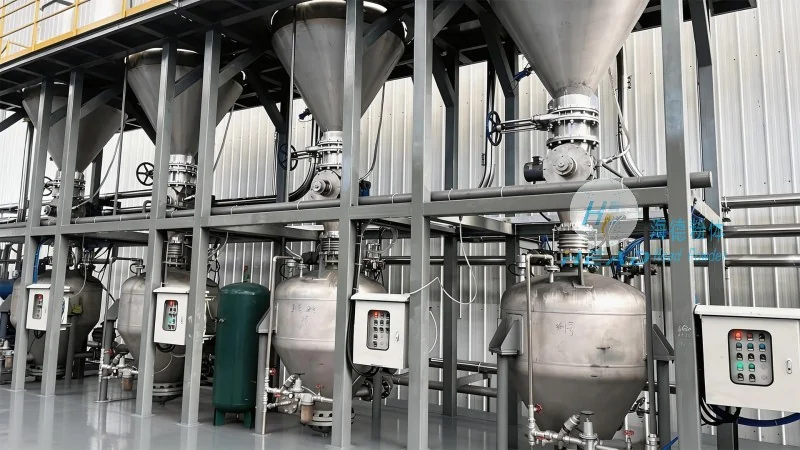
Key Working Scene Characteristics of the Equipment
The working scene characteristics of dust-free material feeding pneumatic conveying equipment are tailored to meet the specific demands of various industrial applications. These systems are commonly used in environments where maintaining a clean and sterile environment is critical, such as pharmaceutical manufacturing, food processing, and electronics assembly. The equipment operates in a controlled environment, often within enclosed facilities or dedicated production lines, to prevent dust from escaping into the surrounding workspace. The design of the conveying lines and components is optimized for different material types, including powders, granules, and fine particles. For instance, in pharmaceutical settings, the equipment is equipped with HEPA filters and stainless steel components to meet stringent hygiene standards. In food processing plants, the system may incorporate sanitary design features to ensure compliance with food safety regulations. The working scene also emphasizes efficiency and reliability, with features like automatic start-stop controls and material flow monitoring to ensure consistent performance. Additionally, the equipment is designed for easy maintenance, with accessible components that allow for quick cleaning and replacement, reducing downtime and operational costs.
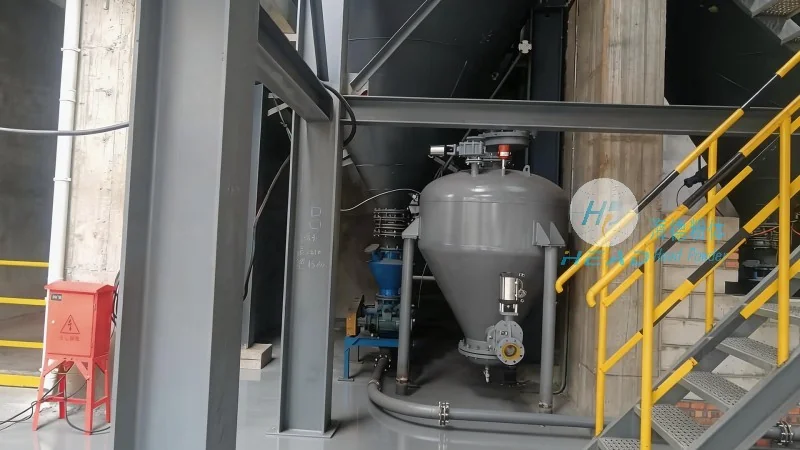
Advantages and Applications in Diverse Industries
Dust-free material feeding pneumatic conveying equipment offers numerous advantages that make it a preferred choice for industries requiring precise and clean material transport. One of the primary benefits is the elimination of dust and contamination, which is crucial in industries where product purity is paramount. The sealed system design prevents material from coming into contact with external contaminants, ensuring that the final product remains free from impurities. Another advantage is the flexibility of the system, which can be adapted to handle a wide range of materials, from fine powders to larger granules. The equipment is also energy-efficient, as it uses compressed air to transport materials, reducing the need for additional mechanical components and lowering operational costs. In terms of applications, the equipment is widely used in pharmaceutical manufacturing for transporting active pharmaceutical ingredients (APIs) and excipients. It is also employed in food processing for handling ingredients like flour, sugar, and spices. Additionally, the equipment is utilized in chemical and petrochemical industries for transporting powders and granules, where dust control is essential for safety and environmental compliance. The working scene characteristics, such as the ability to operate in clean rooms and the integration with automated production lines, further enhance its suitability for modern industrial environments.