

Principles and Working Scene Characteristics of Fiber Pneumatic Conveying Systems
HeadPowder, a leading enterprise in the field of pneumatic conveying technology, specializes in the design, manufacturing, and implementation of advanced fiber pneumatic conveying systems. With a strong commitment to innovation and precision engineering, the company has established itself as a trusted partner for industries requiring efficient and reliable material handling solutions. This article delves into the fundamental principles of fiber pneumatic conveying systems and highlights the key characteristics of their operational environments, providing a comprehensive overview for professionals in the material handling sector.
Understanding the Core Principles of Fiber Pneumatic Conveying Systems
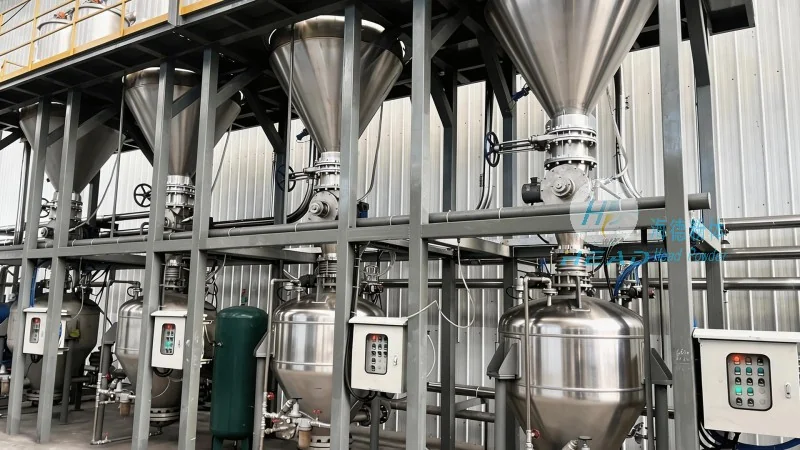
Fiber pneumatic conveying systems operate on the principle of transporting solid materials, such as fibers, through a pipeline using a pressurized or vacuum air stream. Unlike traditional mechanical conveyors, which rely on physical contact and friction to move materials, pneumatic systems utilize air pressure to create a flow that carries the material particles. The system typically consists of a hopper for material storage, a conveyor line, a control unit, and a discharge point. The process begins when the material is fed into the hopper, where it is then drawn into the conveyor line by the air stream. The air pressure, often generated by a blower or compressor, creates a pressure differential that propels the fibers through the pipeline. Key components include the air inlet, which introduces the air into the system, and the material inlet, where the fibers are introduced. The system may also incorporate features like a filter or separator to prevent material buildup and ensure smooth operation. The efficiency of the system depends on factors such as the type of fibers, the air velocity, and the pipeline design. For instance, different fiber types have varying densities and sizes, which affect how they are conveyed. The air velocity must be carefully controlled to prevent material deposition or blockages. The pipeline diameter and length also play critical roles in determining the system's performance. Proper design ensures that the fibers are transported without damage, maintaining their integrity and quality.
Key Working Scene Characteristics of Fiber Pneumatic Conveying Systems
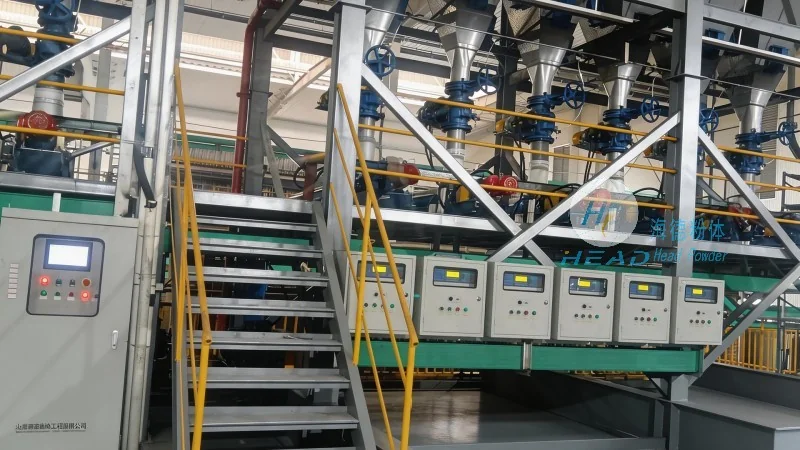
The operational environments of fiber pneumatic conveying systems vary significantly based on the industry and application. These systems are commonly used in sectors such as paper manufacturing, textile processing, and agricultural processing, where handling fine fibers is essential. In the paper industry, for example, fiber pneumatic conveying systems are used to transport raw materials like wood pulp from storage to processing units. The systems must handle high volumes of material while maintaining consistent air pressure to avoid clogging. The working scene in this industry often involves large-scale operations with multiple conveyor lines, requiring robust and reliable equipment. The systems are typically installed in industrial facilities with high ceilings and extensive piping networks. The environment may include dust and moisture, which necessitates the use of specialized filters and sealing mechanisms to prevent contamination and ensure safety. In the textile industry, fiber pneumatic conveying systems are used to transport raw fibers from storage to spinning machines. The systems must handle fine, lightweight fibers that are prone to dispersion and loss. The working scene in this sector often involves smaller, more compact facilities with precise control over air flow and material feed rates. The systems are designed to minimize fiber breakage and maintain the quality of the material. Agricultural processing applications, such as the handling of straw or other plant fibers, also utilize fiber pneumatic conveying systems. These systems are typically used in processing plants where the fibers are collected and transported to processing units. The working scene in agriculture may involve outdoor or semi-outdoor operations, with considerations for weather conditions and material variability. The systems must be durable and capable of handling a wide range of fiber types and conditions. Overall, the working scene characteristics of fiber pneumatic conveying systems are tailored to the specific needs of each industry, ensuring efficient and effective material handling. The systems are designed to adapt to different operational requirements, providing flexibility and reliability in diverse environments.
Advantages and Applications in Diverse Operational Environments
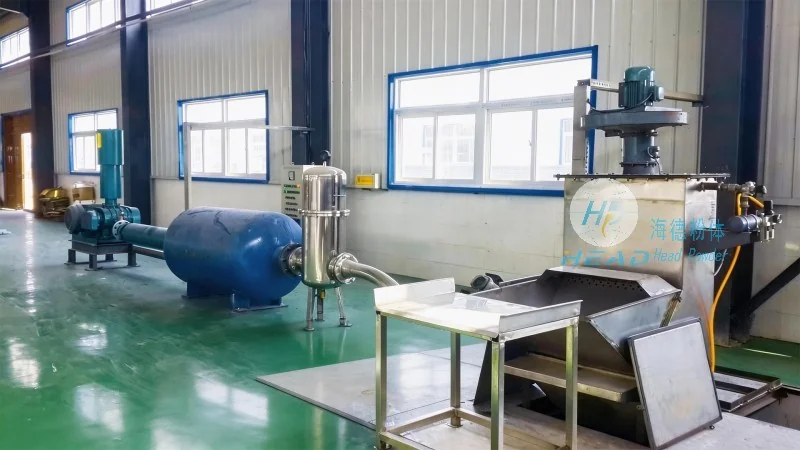
Fiber pneumatic conveying systems offer several advantages over traditional mechanical conveyors, making them suitable for a wide range of applications. One of the primary benefits is the ability to handle fine and abrasive materials without causing damage. This is particularly important for delicate fibers, which can be easily broken or degraded by mechanical contact. The systems also provide a dust-free and clean operation, reducing the risk of contamination and improving workplace safety. Additionally, pneumatic systems are more flexible in terms of layout and can be installed in complex or constrained spaces, as they do not require physical contact between the material and the conveyor. The working scene characteristics of these systems allow for easy integration into existing industrial setups, minimizing downtime and installation costs. The systems are also energy-efficient, as they use air pressure rather than mechanical components to move materials, reducing energy consumption and operational costs. In terms of applications, fiber pneumatic conveying systems are widely used in industries where material handling is critical. For example, in the paper industry, they are used to transport raw materials and finished products, while in the textile industry, they are used to transport raw fibers and finished fabrics. Agricultural processing also benefits from these systems, as they help in the efficient handling of plant fibers. The working scene characteristics of these systems ensure that they can operate in various conditions, from large-scale industrial facilities to smaller processing plants. The systems are designed to be adaptable and reliable, meeting the diverse needs of different industries. Overall, fiber pneumatic conveying systems provide a cost-effective and efficient solution for material handling, with their working scene characteristics tailored to the specific requirements of each application.