

The Working Principle and Features of Diatomite Powder Material Pneumatic Conveying Line
For industries dealing with diatomite powder, efficient material handling is crucial. The diatomite powder pneumatic conveying line is a specialized system designed to transport this fine powder safely and effectively. This article explores the working principle and key features of such a system, highlighting its importance in industrial applications.
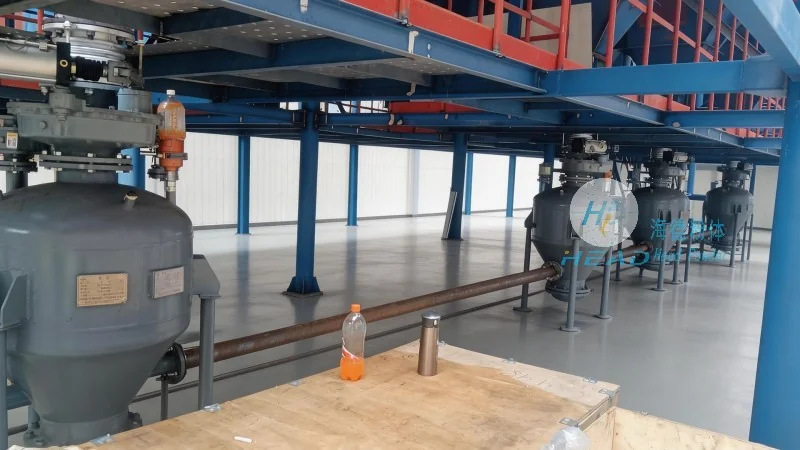
Introduction to Diatomite Powder Pneumatic Conveying Systems
Diatomite, a natural sedimentary rock composed of fossilized diatoms, is widely used in various industries for its unique properties, including high porosity and excellent filtration capabilities. When processed into powder form, diatomite is often used in applications like water treatment, filtration media, and as a raw material in the production of insulation materials. However, the fine nature of diatomite powder presents challenges in traditional material handling methods, such as dust generation and clogging. The pneumatic conveying line addresses these challenges by using air as the conveying medium, enabling the safe and efficient transport of diatomite powder from one location to another.
Working Principle of the Diatomite Powder Pneumatic Conveying Line
The core of a diatomite powder pneumatic conveying line is its ability to transport material using compressed air. The system typically consists of several key components, including a hopper for material storage, a feeder to control the flow of powder, a conveying pipeline, and a receiver for the material at the destination. The working principle involves the following steps:
1. Material Loading: Diatomite powder is fed into the hopper from a storage silo or a processing unit. The hopper is designed to maintain a consistent material level, preventing overfilling or underfilling that could affect the conveying process.
2. Air Injection and Material Suspension: Compressed air is introduced into the hopper or the feeder, creating a flow of air that lifts and suspends the diatomite powder particles. The air velocity is carefully controlled to ensure that the powder particles are fully suspended without causing excessive pressure drops or particle degradation.
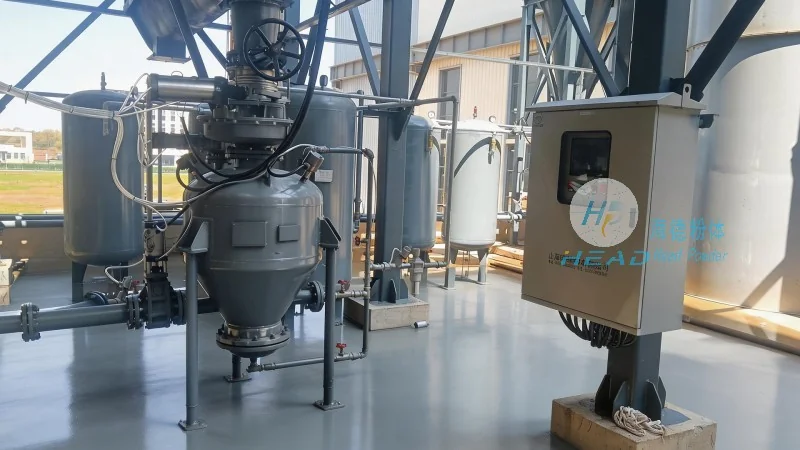
3. Pipeline Conveying: The suspended powder-air mixture travels through the conveying pipeline. The pipeline is typically made of materials resistant to abrasion and corrosion, such as stainless steel or special plastic composites, to withstand the abrasive nature of diatomite powder. The pipeline design includes bends and elbows that are optimized to minimize pressure loss and prevent particle deposition.
4. Material Deposition: At the receiving end, the conveying air is separated from the powder using a cyclone separator or a filter. The separated powder is collected in the receiver, while the clean air is either vented to the atmosphere or recirculated back into the system to improve energy efficiency.
5. System Control: Modern pneumatic conveying lines are equipped with advanced control systems that monitor parameters such as air pressure, flow rate, and material level. These controls ensure that the system operates within optimal conditions, preventing issues like clogging, excessive energy consumption, or material loss.
Key Features of the Diatomite Powder Pneumatic Conveying Line
The diatomite powder pneumatic conveying line offers several advantages that make it a preferred choice for industrial applications:
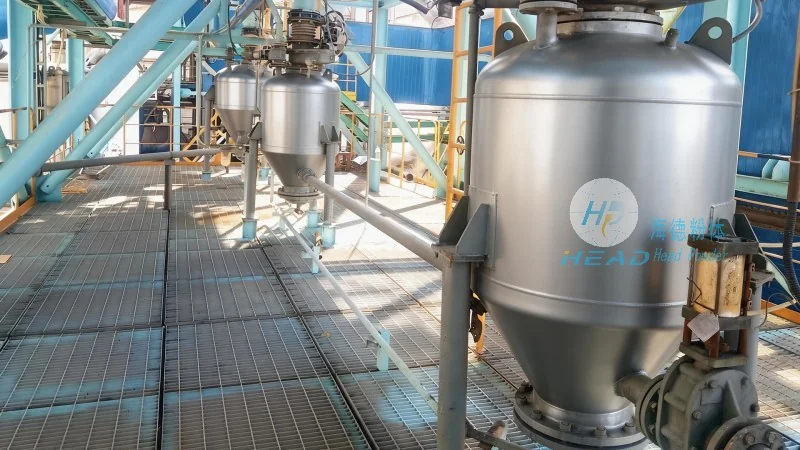
1. High Efficiency and Low Loss: The system minimizes material loss during transport, as the powder is contained within the pipeline and only a small amount of air is required for conveying. This results in higher material recovery rates compared to traditional methods like bucket elevators or belt conveyors.
2. Reduced Dust and Environmental Impact: By using enclosed pipelines and efficient filtration systems, the pneumatic conveying line significantly reduces dust emissions, making it a more environmentally friendly option. This is particularly important for diatomite powder, which can be a respiratory hazard if not handled properly.
3. Versatility and Flexibility: The system can be easily adapted to different plant layouts and production requirements. It can handle varying flow rates and material types, making it suitable for both small-scale and large-scale operations. The modular design allows for easy expansion or modification as the production needs change.
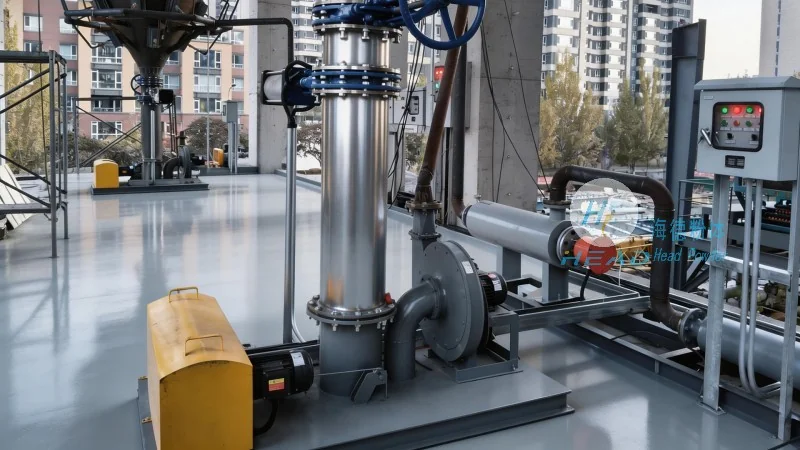
4. Energy Efficiency: Compared to mechanical conveyors, pneumatic conveying systems are generally more energy-efficient, especially for long-distance or high-volume transport. The use of compressed air as the conveying medium allows for precise control of energy consumption, reducing operational costs over time.
5. Safety and Reliability: The enclosed design of the pneumatic conveying line prevents accidental release of diatomite powder, reducing the risk of workplace accidents and contamination. The system is also designed to be reliable, with minimal maintenance requirements and long service life, ensuring consistent performance over extended periods.
Applications and Industries
The diatomite powder pneumatic conveying line is widely used in various industries where fine powder handling is essential. Some of the key applications include:
1. Water Treatment and Filtration: Diatomite powder is used as a filter media in water treatment plants, and the pneumatic conveying line ensures that the powder is transported to the filtration units without causing contamination or loss.