

Working Principle and Features of Borax Granular Material Pneumatic Conveying Line
HeadPowder, a leading engineering company based in Shandong, China, specializes in the design, manufacturing, and installation of advanced pneumatic conveying systems tailored for handling borax granular materials. This article provides an in-depth exploration of the working principle and key features of a borax granular material pneumatic conveying line, highlighting the technological advancements and operational benefits that make such systems ideal for industrial applications.
Introduction to Borax Granular Material Pneumatic Conveying
Borax, a vital industrial chemical used in various sectors including glass manufacturing, detergents, and agriculture, is often processed in bulk quantities. Efficient and reliable material handling is crucial to maintain production efficiency and ensure product quality. Pneumatic conveying systems offer a solution by transporting granular materials like borax through an enclosed pipeline using air pressure or vacuum. HeadPowder’s expertise lies in developing customized pneumatic conveying lines that meet the specific requirements of borax handling, ensuring seamless material transport from storage to processing units.
The Working Principle of a Borax Granular Material Pneumatic Conveying Line
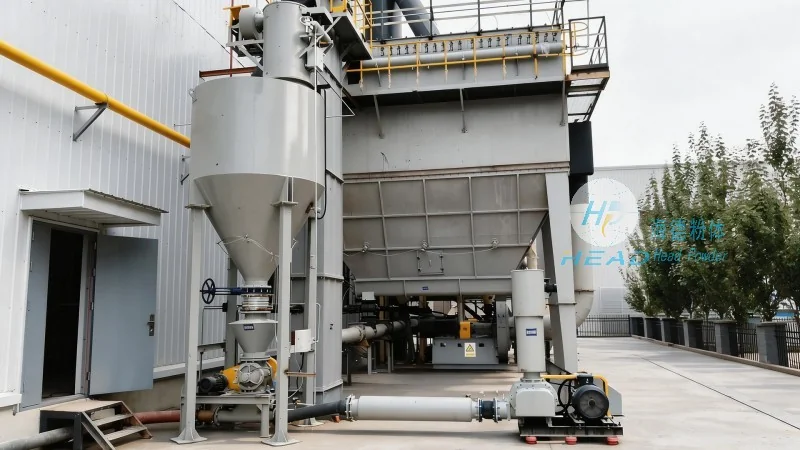
The core of a borax granular material pneumatic conveying line is the mechanism that propels the material through the pipeline. Typically, these systems operate using either pressure or vacuum, with the choice depending on the application and material characteristics. In a pressure system, compressed air is introduced at the material inlet, creating a flow that pushes the borax granules forward. The system comprises several key components: a hopper for material storage, a feeder to control the flow rate, a conveying pipeline, and a receiver at the destination. The feeder, often a rotary valve or a screw feeder, regulates the amount of borax discharged into the pipeline. As the material enters the pipeline, the air flow, maintained at an appropriate velocity, suspends the granules and transports them to the receiver. The receiver then collects the material, separating it from the air before the air is either recirculated or vented.
For vacuum systems, the process is reversed: a vacuum is created at the receiver end, drawing the borax granules through the pipeline. The vacuum is generated by a fan or a vacuum pump, and the material is drawn from the hopper into the pipeline. The velocity of the air in a vacuum system is typically lower than in a pressure system, which may affect the conveying capacity but is suitable for certain applications where lower air velocities are preferred.
Key Features of Borax Granular Material Pneumatic Conveying Lines
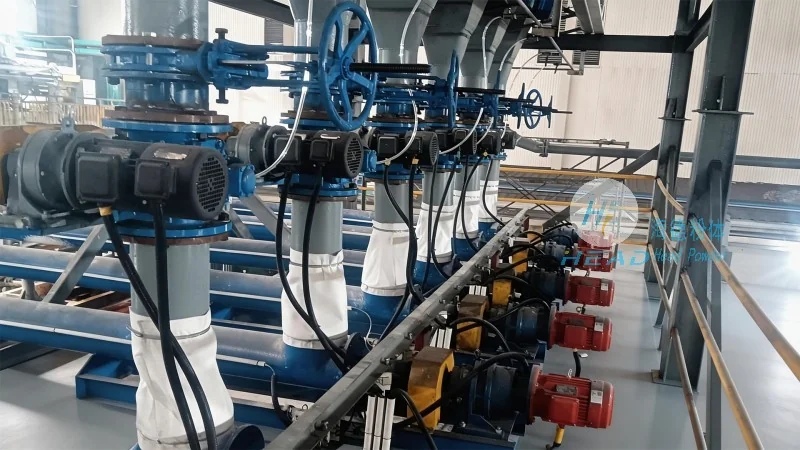
HeadPowder’s borax granular material pneumatic conveying lines are designed with several key features that enhance performance, reliability, and efficiency. These features are tailored to meet the unique challenges of handling borax, including its chemical properties, particle size, and flow characteristics.
1. Customized Design for Material Compatibility Borax is a hygroscopic material, meaning it absorbs moisture from the air, which can affect its flowability and processing. HeadPowder’s systems incorporate materials of construction that are resistant to corrosion and moisture, such as stainless steel or special alloys, to prevent material degradation. The conveying line is also designed to minimize material degradation, with smooth pipeline surfaces and appropriate air velocities to prevent abrasion or breakage of the granules.
2. Advanced Control Systems for Optimal Operation Modern pneumatic conveying systems require precise control to ensure consistent material flow and energy efficiency. HeadPowder’s lines are equipped with advanced control systems that monitor and adjust the air pressure, flow rate, and material feed rate in real-time. These systems use sensors and automation technology to maintain optimal operating conditions, reducing downtime and improving overall system efficiency. The control panels are user-friendly, allowing operators to easily adjust parameters and monitor system performance.
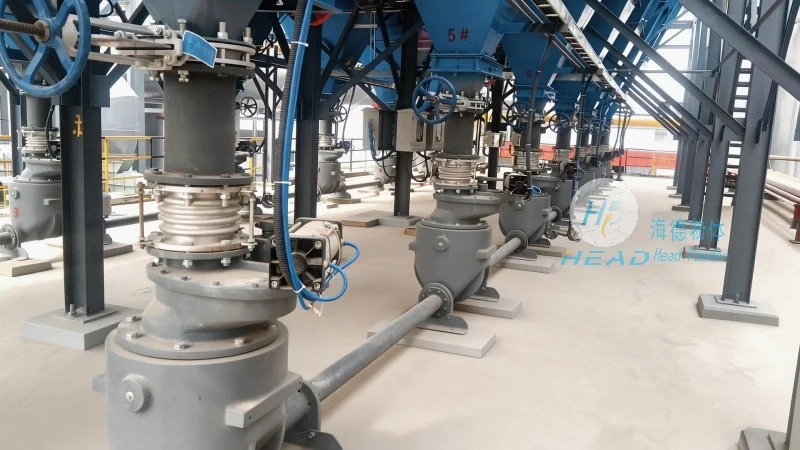
3. Energy Efficiency and Environmental Considerations Pneumatic conveying systems can be energy-intensive, but HeadPowder’s designs focus on minimizing energy consumption. By optimizing air velocity and flow rates, the systems reduce energy usage while maintaining effective material transport. Additionally, the systems are designed with environmental considerations in mind, such as air filtration to minimize dust emissions and recirculation of air to reduce waste. This ensures compliance with environmental regulations and contributes to a sustainable operation.
4. Scalability and Flexibility Industrial applications often require systems that can be scaled up or modified to accommodate changing production needs. HeadPowder’s borax granular material pneumatic conveying lines are designed with scalability in mind, allowing for easy expansion or integration with existing infrastructure. The modular design enables quick adjustments to the system layout, ensuring that the line can adapt to new production requirements without major overhauls.
5. Reliability and Durability For continuous industrial operations, reliability is paramount. HeadPowder’s systems are built with high-quality components and materials that are resistant to wear and corrosion. The pipelines are constructed from durable materials, and the components are designed to withstand the abrasive nature of borax granules. Regular maintenance is facilitated by easy access to components, ensuring that the system remains operational with minimal downtime. The robust design of the conveying line ensures long-term performance and reduces the need for frequent repairs.