

Working Principle and Features of Fertilizer Granule Material Pneumatic Conveying Line
When it comes to efficient and reliable transportation of fertilizer granules, pneumatic conveying systems have emerged as a preferred solution in the industry. These systems are designed to handle the unique challenges associated with moving bulk granular materials like fertilizers, ensuring minimal product degradation and optimal operational performance. This article, presented by Shandong HeadPowder Engineering Co., Ltd., delves into the working principle and key features of fertilizer granule material pneumatic conveying lines, providing insights into how they function and why they are widely adopted in agricultural and industrial applications.
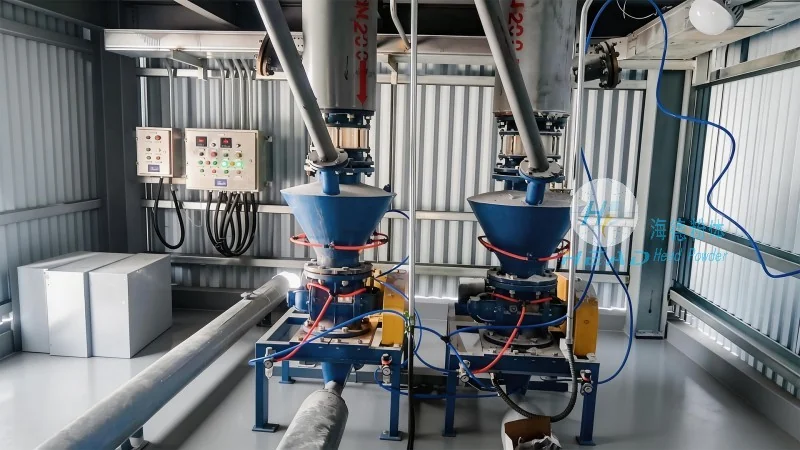
Understanding the Working Principle of Pneumatic Conveying Systems
The core of a fertilizer granule material pneumatic conveying line lies in its ability to use air pressure to transport materials. The system typically consists of several key components, including a hopper for material storage, a blower or compressor to generate airflow, a pipeline network to guide the material, and a discharge point for the final delivery. The process begins when the fertilizer granules are fed into the hopper. As the blower creates a vacuum or positive pressure within the pipeline, the granules are drawn or pushed through the system, depending on the design. The air flow carries the granules along the pipeline, ensuring they are transported without direct contact with mechanical parts, which helps prevent breakage and contamination.
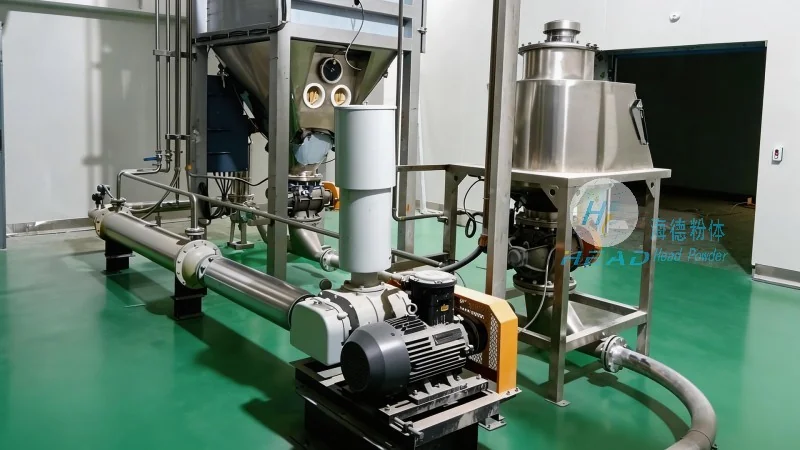
There are two primary types of pneumatic conveying systems used for fertilizer granules: dilute-phase and dense-phase. Dilute-phase systems operate at higher air velocities, allowing for longer conveying distances but with lower material concentration in the air stream. Dense-phase systems, on the other hand, use lower air velocities and higher material concentrations, making them suitable for shorter distances or when the material is more sensitive to handling. The choice between these systems depends on factors such as the distance to be covered, the material's characteristics, and the desired throughput. In both cases, the system's design is optimized to maintain consistent airflow and material flow, ensuring smooth operation and minimal downtime.
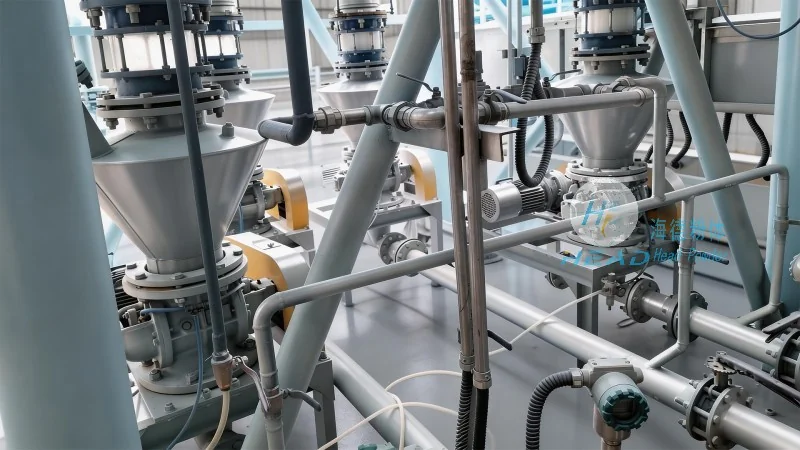
Key Features of Fertilizer Granule Material Pneumatic Conveying Lines
Several notable features make fertilizer granule material pneumatic conveying lines an attractive option for many operations. First, they offer a high degree of flexibility in terms of layout and installation. The pipeline can be arranged in various configurations, including vertical, horizontal, or a combination of both, to suit the specific site requirements. This adaptability allows for integration into existing facilities or new construction projects without major structural changes. Second, these systems provide excellent control over material flow. By adjusting the air pressure and flow rate, operators can regulate the speed and volume of the conveying process, ensuring precise delivery to the target location. This level of control is crucial for maintaining consistent product quality and meeting production schedules.
Another significant feature is the ability to handle a wide range of fertilizer granule sizes and types. Whether dealing with nitrogen-based, phosphorus-based, or potassium-based fertilizers, the system can be configured to accommodate different particle sizes and densities. This versatility makes it suitable for various applications, from bulk storage and handling to packaging and distribution. Additionally, pneumatic conveying systems are known for their low maintenance requirements compared to traditional mechanical conveyors. With fewer moving parts and less wear and tear, these systems require less frequent servicing, reducing operational costs and increasing overall efficiency.
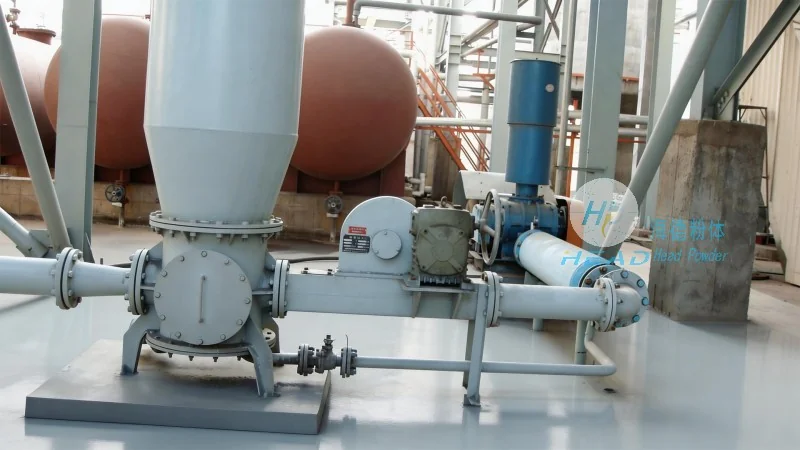
Furthermore, the design of modern fertilizer granule material pneumatic conveying lines incorporates advanced technologies to enhance performance and safety. For instance, some systems include sensors and monitoring equipment to detect air pressure fluctuations, material blockages, or system malfunctions in real-time. This allows for immediate intervention, preventing potential damage to the equipment or product. The use of high-quality materials, such as stainless steel for the pipeline and components, also contributes to the system's durability and resistance to corrosion, which is essential when handling fertilizers that may contain acidic or alkaline components.