

Working Principle and Features of Sodium Hypochlorite Material Pneumatic Conveying Equipment
HeadPowder, a leading engineering firm based in Shandong, China, specializes in the design and manufacturing of advanced pneumatic conveying systems tailored for handling sodium hypochlorite materials. This article delves into the core working principles and distinctive features of their equipment, providing insights into how these systems efficiently transport sodium hypochlorite while ensuring safety and operational reliability.
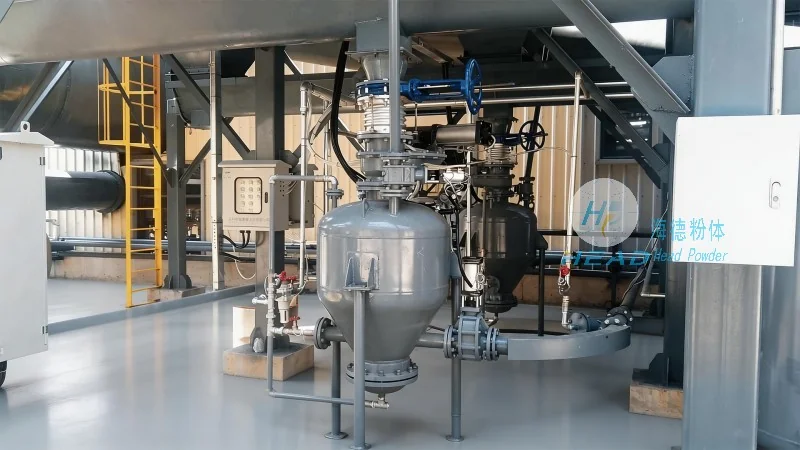
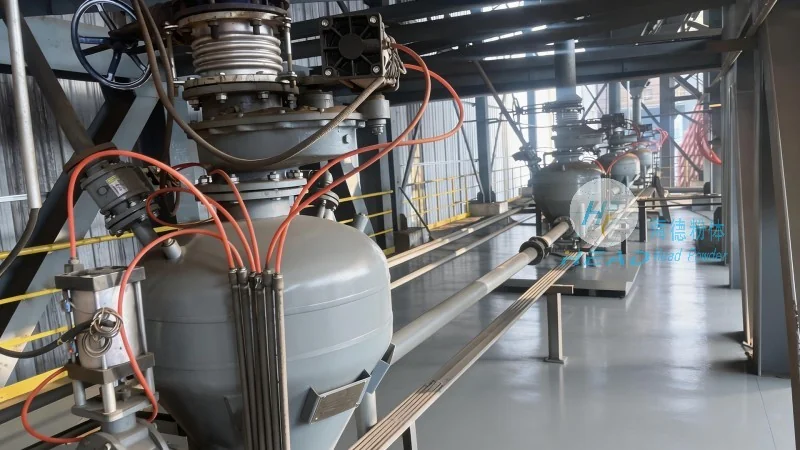
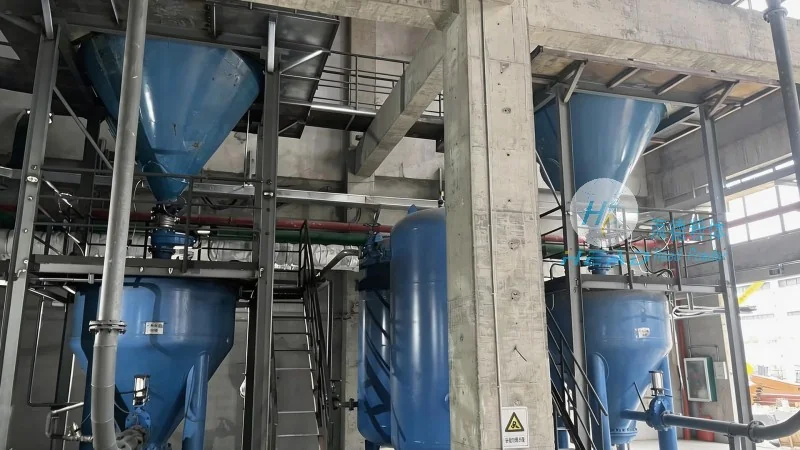
The Working Principle of Sodium Hypochlorite Pneumatic Conveying Equipment
HeadPowder's pneumatic conveying systems for sodium hypochlorite operate on the fundamental principle of air-driven transport. The process typically involves a series of key components that work in tandem to move the material from the source to the destination. At the heart of the system is a positive displacement blower or a high-pressure air compressor, which generates the necessary airflow to create a pressure differential. This differential is crucial as it creates a vacuum or pressure gradient that pulls or pushes the sodium hypochlorite particles through the conveying line. The material is usually fed into the system via a hopper or a feeder, where it is broken into smaller, manageable particles to ensure smooth flow. The air, carrying the particles, travels through a pipeline network, which may include bends, elbows, and expansion joints designed to minimize pressure loss and maintain consistent flow rates. The receiving end of the system typically features a cyclone separator or a filter, which separates the sodium hypochlorite particles from the air stream, allowing the material to be discharged into a storage tank or processing unit while the air is either recirculated or vented to the atmosphere. The entire process is controlled by a sophisticated control system that monitors pressure, flow rate, and material level, ensuring optimal performance and preventing system overloads or blockages.
Key Features of HeadPowder's Sodium Hypochlorite Pneumatic Conveying Equipment
HeadPowder's equipment for sodium hypochlorite material handling is distinguished by several critical features that enhance performance, safety, and longevity. Firstly, the systems are designed with corrosion-resistant materials, such as stainless steel or specialized alloys, to withstand the aggressive nature of sodium hypochlorite, which is known for its strong oxidizing properties. This ensures that the equipment maintains its structural integrity over extended periods of operation. Secondly, the pneumatic conveying lines are equipped with advanced sealing and isolation mechanisms to prevent leaks and contamination, which is vital for maintaining the purity of the sodium hypochlorite and protecting the environment. Thirdly, the systems incorporate energy-efficient components, including variable frequency drives (VFDs) for the blowers, which adjust the airflow based on the actual material load, reducing energy consumption and operational costs. Additionally, the equipment is designed for easy maintenance, with accessible components and modular construction that allows for quick repairs and replacements without disrupting the entire system. Finally, HeadPowder's solutions are customizable to meet specific client requirements, such as varying flow rates, material types, or environmental regulations, ensuring that each system is tailored to the unique needs of the application.