

Working Principle and Features of Pneumatic Conveying Equipment for Fine Materials
For industries dealing with fine materials, efficient and reliable material handling is crucial. Pneumatic conveying equipment offers a solution that minimizes contamination, reduces labor costs, and enhances operational safety. This equipment is specifically designed to handle small, powdery, or granular materials, making it ideal for applications in pharmaceuticals, food processing, chemical manufacturing, and more. The technology behind these systems involves the use of air or gas to transport materials through a pipeline network, providing a clean and controlled method of material transfer.
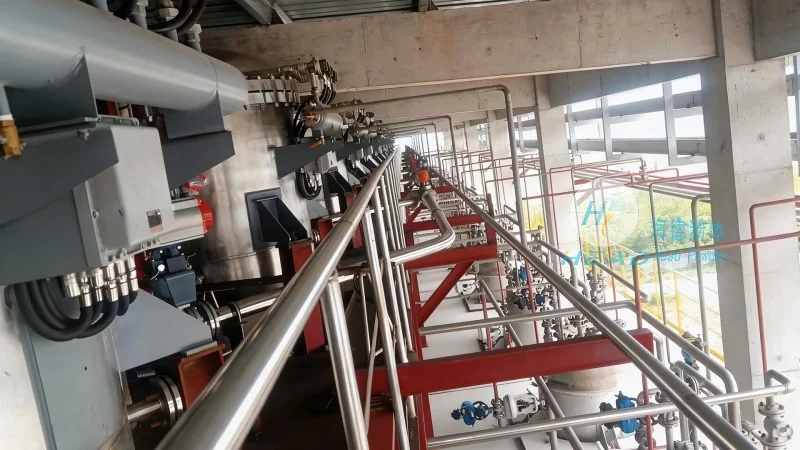
Working Principle of Pneumatic Conveying Systems
The core mechanism of pneumatic conveying equipment for fine materials involves creating a pressure differential within a closed system. The process typically starts with the material being introduced into a hopper or feeder. From there, the material is drawn into a pipeline by a vacuum or pressure source. The air or gas acts as the medium, carrying the material particles through the system. There are two primary types of pneumatic conveying: pressure and vacuum systems. Pressure systems use compressed air to push the material forward, while vacuum systems use a vacuum to pull the material. The choice between these depends on factors such as the distance of material transport, the material's properties, and the desired flow rate. In both cases, the equipment ensures that the material is transported without clogging or degradation, maintaining its quality throughout the process.
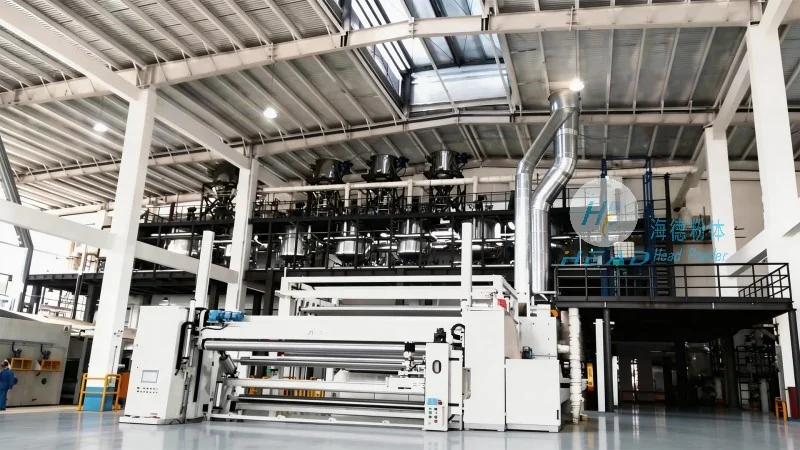
Key Features and Advantages of Fine Material Pneumatic Conveying Equipment
When considering pneumatic conveying equipment for fine materials, several key features and advantages stand out. Firstly, the equipment is designed to prevent product contamination, which is critical in industries like pharmaceuticals and food processing. The sealed system ensures that the material remains free from external contaminants, maintaining its purity. Secondly, these systems offer high efficiency in material transport, with the ability to handle large volumes of material over long distances with minimal energy consumption. The equipment also reduces labor costs by automating the material handling process, eliminating the need for manual handling and associated risks. Additionally, pneumatic conveying systems enhance operational safety by minimizing exposure to dust and reducing the risk of accidents associated with manual material transfer. The flexibility of these systems allows for easy integration into existing production lines, adapting to various production requirements. Another significant advantage is the ability to handle a wide range of materials, from powders to granules, with different flow characteristics. This versatility makes the equipment suitable for diverse applications across multiple industries.
Applications and Industries Served by Fine Material Pneumatic Conveying Equipment
Pneumatic conveying equipment for fine materials is widely used across various industries due to its adaptability and efficiency. In the pharmaceutical industry, it is used to transport active pharmaceutical ingredients (APIs) and other fine powders, ensuring that the materials remain sterile and uncontaminated. The food processing industry relies on these systems to handle ingredients like flour, sugar, and spices, maintaining food safety standards. In chemical manufacturing, the equipment is used to transport chemicals and reagents, preventing reactions with external elements and ensuring product quality. The construction industry also benefits from pneumatic conveying systems for transporting cement, sand, and other fine building materials. Additionally, in the agricultural sector, these systems are used to handle fertilizers and other agricultural products, improving the efficiency of material handling in farms and processing facilities. The consistent performance of the equipment across these industries highlights its importance in modern material handling solutions.
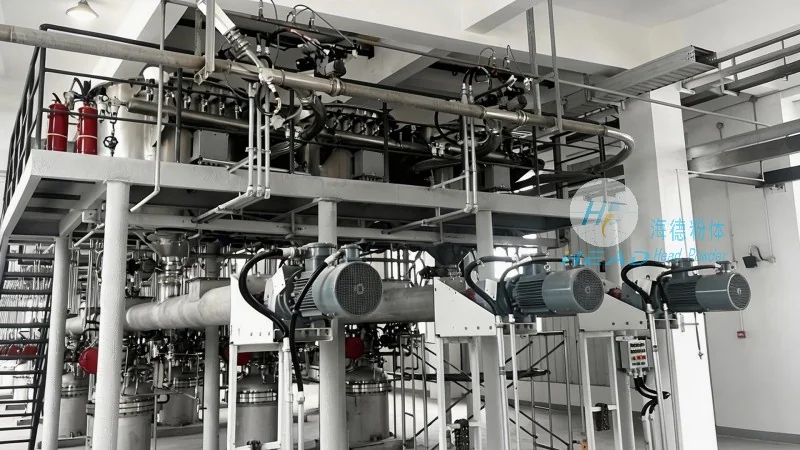
Company Profile: Shandong HeadPowder Engineering Co., Ltd.
Shandong HeadPowder Engineering Co., Ltd., operating under the brand name headpowder, is a leading manufacturer of pneumatic conveying equipment for fine materials. With a focus on innovation and quality, the company has established itself as a trusted provider of industrial material handling solutions. HeadPowder specializes in designing and manufacturing custom pneumatic conveying systems tailored to the specific needs of their clients. The company's products are known for their durability, efficiency, and reliability, meeting the stringent requirements of various industries. HeadPowder's commitment to customer satisfaction is reflected in their comprehensive after-sales support and technical assistance. The company's facilities are located in Shandong, China, where they leverage advanced manufacturing technologies and skilled workforce to produce high-quality equipment. By adhering to international standards and continuously improving their products, HeadPowder ensures that their clients receive the best possible solutions for their material handling challenges.