

The Working Principle and Features of Soapstone Material Pneumatic Conveying Equipment
For industries dealing with soapstone material, efficient and reliable material handling is crucial. Pneumatic conveying equipment offers a solution that not only enhances productivity but also ensures safety and environmental compliance. This article explores the working principle and key features of such equipment, highlighting how it can optimize material transport processes.
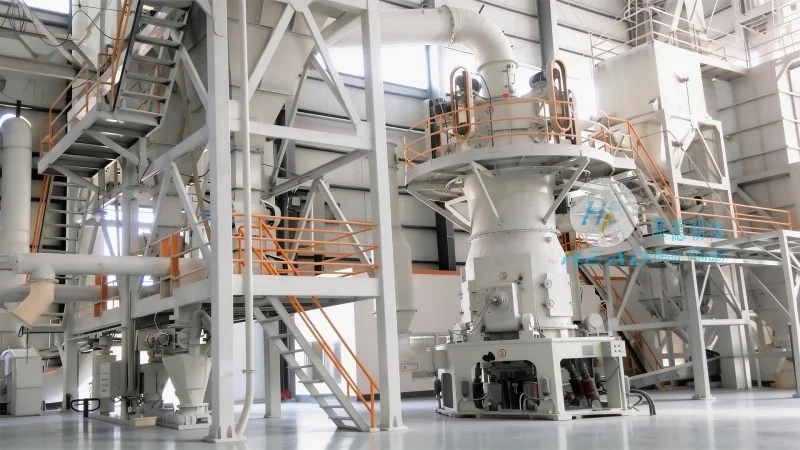
Working Principle of Pneumatic Conveying Equipment for Soapstone
The core of pneumatic conveying for soapstone material lies in the use of air to transport particles. The system typically operates through two main modes: suction (or vacuum) and pressure. In the suction mode, a vacuum is created at the material inlet, drawing the soapstone particles into the pipeline along with the air. The pressure mode, on the other hand, uses compressed air to push the material through the system. Both methods rely on the interaction between the air flow and the material particles to achieve movement. The equipment includes components such as a hopper, a rotary valve, a conveyor pipe, and a receiver. The hopper stores the soapstone, while the rotary valve controls the flow of material into the pipe. The conveyor pipe transports the material, and the receiver collects it at the destination. The air flow is managed by a blower or compressor, which provides the necessary pressure or vacuum to move the material. The entire process is designed to minimize material degradation and ensure consistent flow rates.
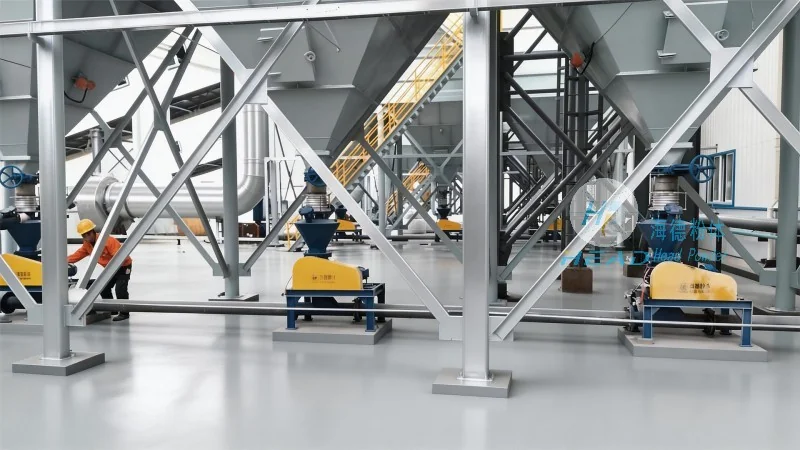
Key Features of Soapstone Material Pneumatic Conveying Equipment
When evaluating pneumatic conveying systems for soapstone, several features stand out as critical for performance and efficiency. Firstly, the system’s ability to handle abrasive materials is essential, as soapstone can be hard and cause wear on components. High-quality materials and robust construction are therefore important to ensure longevity. Secondly, the system’s efficiency in terms of energy consumption and material throughput is a key consideration. Advanced designs, such as pulse-jet or dense-phase conveying, can improve efficiency by reducing air consumption and preventing material segregation. Thirdly, the system’s environmental impact is a significant factor. Pneumatic conveying is generally considered more environmentally friendly than traditional methods like belt conveyors or trucks, as it reduces dust emissions and noise pollution. Additionally, the system’s flexibility in handling different material sizes and moisture content is beneficial for varying production needs. The equipment also offers easy integration with existing production lines, allowing for seamless material transport from processing to storage or packaging. Another important feature is the system’s maintenance and operational simplicity. With fewer moving parts compared to mechanical conveyors, maintenance requirements are lower, and operational downtime is minimized. This makes the equipment suitable for continuous production environments.
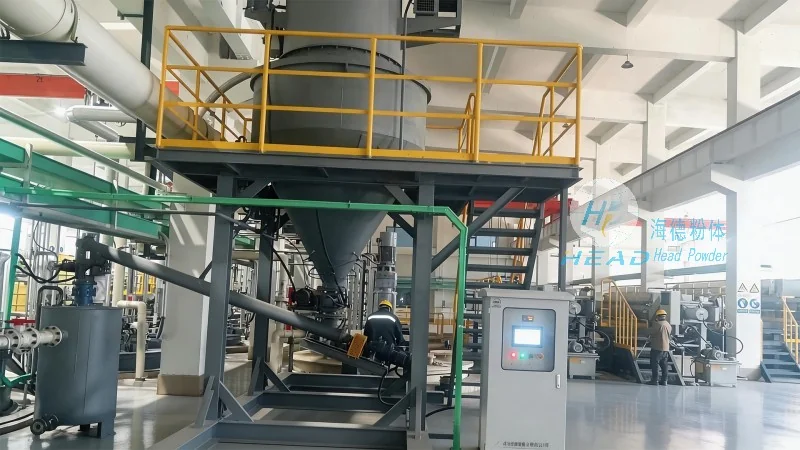
Applications and Benefits in Industry
Pneumatic conveying equipment for soapstone material finds applications in various industries, including mining, construction, and manufacturing. In mining operations, it is used to transport raw soapstone from the mine to processing facilities. In construction, it can be used to move processed soapstone for use in building materials or decorative items. In manufacturing, it helps in transporting soapstone for further processing into products like tiles or sculptures. The benefits of using this equipment include increased productivity, reduced labor costs, and improved safety. By automating the material transport process, the equipment allows workers to focus on other tasks, while the enclosed system minimizes exposure to dust and other hazards. The system also contributes to cost savings by reducing material loss and improving process efficiency. Furthermore, the flexibility of the system allows it to adapt to changes in production volume or material specifications, making it a versatile solution for different industrial needs.
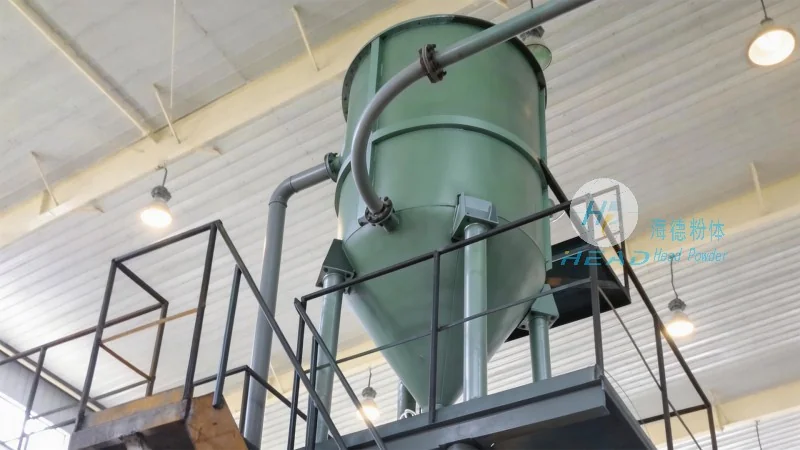
Conclusion and Company Information
Pneumatic conveying equipment for soapstone material is a highly effective solution for efficient material handling. Its working principle, based on air movement, provides a reliable and efficient method for transporting abrasive materials. The key features, including durability, energy efficiency, and environmental friendliness, make it a preferred choice for industries dealing with soapstone. As a leading provider in this field, Shandong HeadPowder Engineering Co., Ltd. specializes in designing and manufacturing such equipment tailored to the specific needs of clients. With a focus on quality and innovation, the company ensures that its products meet the highest standards of performance and reliability. HeadPowder, as the company is commonly known, is committed to delivering solutions that enhance productivity and safety in material handling processes. Based in Shandong, China, the company leverages its expertise to provide customized pneumatic conveying systems that meet the diverse requirements of the soapstone industry.