

Working Principle and Features of Pneumatic Conveying Equipment for Aluminum Turnings
HeadPowder, a leading manufacturer based in Shandong, China, specializes in providing advanced pneumatic conveying solutions tailored for handling aluminum turnings. This article delves into the working principle and key features of our aluminum turnings pneumatic conveying equipment, offering insights into how these systems efficiently transport aluminum turnings while ensuring optimal performance and reliability.
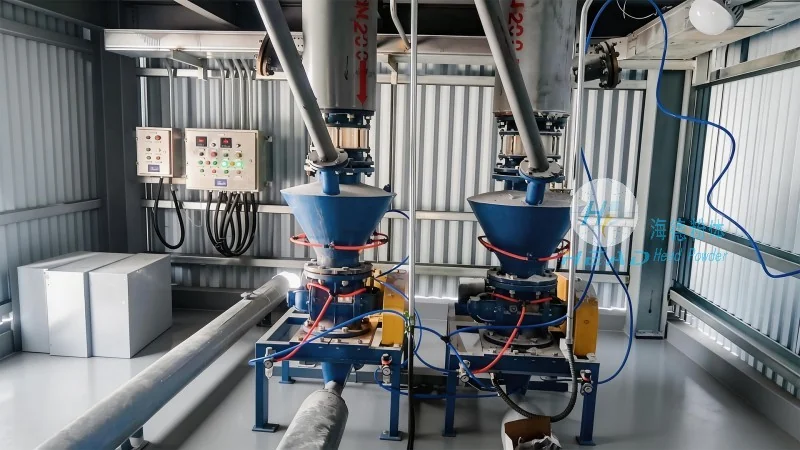
Overview of Pneumatic Conveying Systems for Aluminum Turnings
Pneumatic conveying equipment is a critical component in aluminum processing facilities, designed to transport aluminum turnings—fine or coarse aluminum particles generated during manufacturing processes—between different stages of production with minimal human intervention. The system operates by using a combination of air pressure and vacuum to move the material through a network of pipes, ensuring a clean, efficient, and safe transfer process.
Working Principle of Aluminum Turnings Pneumatic Conveying Equipment
The core working principle of our pneumatic conveying equipment for aluminum turnings involves the generation of air flow within a closed pipeline system. The process typically begins with the material being introduced into the conveying line, either through a hopper or a loading device. As the material enters the pipeline, a fan or blower creates a pressure differential, either by increasing the air pressure (positive pressure system) or reducing it (negative pressure system). This air flow then propels the aluminum turnings through the pipeline, transporting them to the desired destination, such as a storage silo, processing unit, or packaging area.
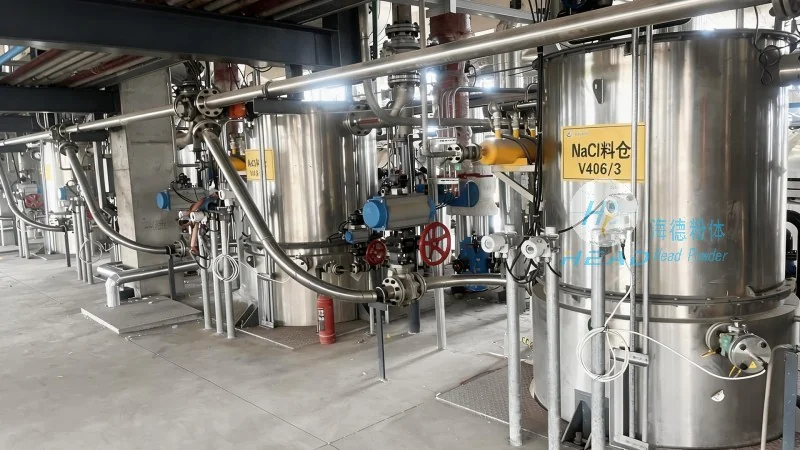
Key components of the system include the air supply unit (fan or blower), the conveying line (usually made of stainless steel to resist corrosion from aluminum particles), and the control system that regulates air pressure and flow rate. The control system ensures that the air flow is optimized to handle the specific characteristics of aluminum turnings, such as their density, size distribution, and moisture content. By maintaining the right air velocity, the system prevents material buildup or blockages, which are common issues in traditional mechanical conveying methods.
Key Features of Aluminum Turnings Pneumatic Conveying Equipment
Our pneumatic conveying equipment for aluminum turnings is engineered with several distinct features that enhance its performance and suitability for industrial applications. One of the primary features is its ability to handle a wide range of material sizes and densities, from fine aluminum dust to larger turnings, without the need for additional processing steps. This versatility makes the system adaptable to various production environments and material variations.
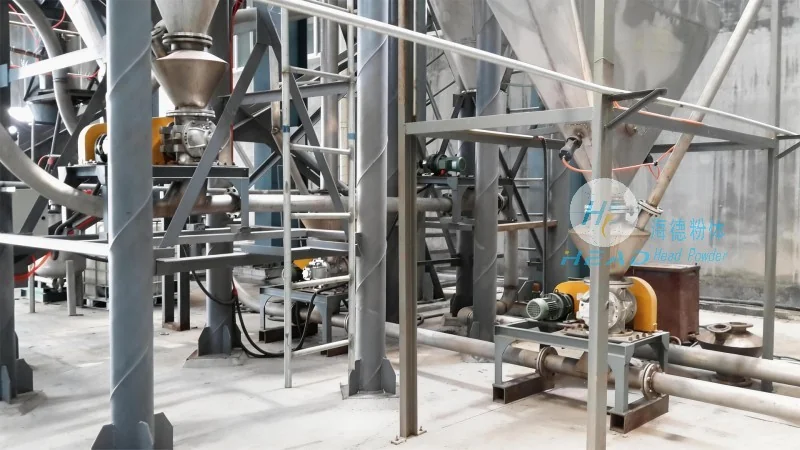
Another notable feature is the system's hygienic and clean design. The stainless steel construction of the conveying line and components ensures that aluminum turnings are transported without contamination, which is crucial in industries where material purity is essential. Additionally, the system operates with minimal dust emissions, contributing to a cleaner working environment and reduced health risks for operators.
Efficiency and reliability are also key features of our equipment. The positive pressure system, in particular, is known for its high conveying capacity and ability to handle long distances and multiple transfer points. By maintaining consistent air pressure, the system ensures that aluminum turnings are transported smoothly and without interruption, minimizing downtime and operational costs. The control system also includes safety features, such as pressure relief valves and overcurrent protection, to prevent accidents and ensure the longevity of the equipment.
Advantages of Using Pneumatic Conveying for Aluminum Turnings
Implementing pneumatic conveying equipment for aluminum turnings offers several advantages over traditional mechanical conveying methods. The primary benefit is the reduction in labor costs, as the system automates the material transfer process, eliminating the need for manual handling and reducing the risk of workplace injuries. Additionally, the system improves material handling efficiency by reducing the time and effort required to move aluminum turnings between production stages, leading to increased productivity and throughput.
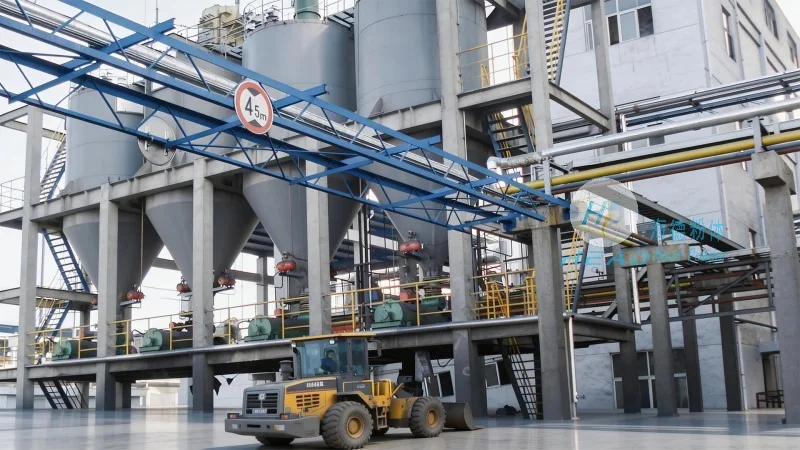
Another significant advantage is the improved material quality and consistency. Pneumatic conveying prevents material degradation, such as oxidation or contamination, which can occur during manual handling or mechanical conveying. This ensures that the aluminum turnings remain in optimal condition for further processing, such as melting or recycling. Furthermore, the system's ability to handle fine particles without clogging or blockages enhances the overall quality of the transported material.
In conclusion, the pneumatic conveying equipment for aluminum turnings by HeadPowder is a reliable and efficient solution for industrial material handling. By understanding the working principle and key features of this system, aluminum processing facilities can optimize their operations, reduce costs, and improve overall productivity. With our expertise and commitment to quality, HeadPowder continues to provide innovative solutions that meet the evolving needs of the aluminum industry.