

Working Principle and Features of Wheat Material Pneumatic Conveying Systems
Wheat material pneumatic conveying systems are essential equipment in the grain processing industry, designed to efficiently transport wheat and other bulk materials from one location to another. Understanding the working principle and key features of such systems is crucial for optimizing operational efficiency and ensuring reliable material handling in agricultural and food processing applications.
Working Principle of Wheat Material Pneumatic Conveying Systems
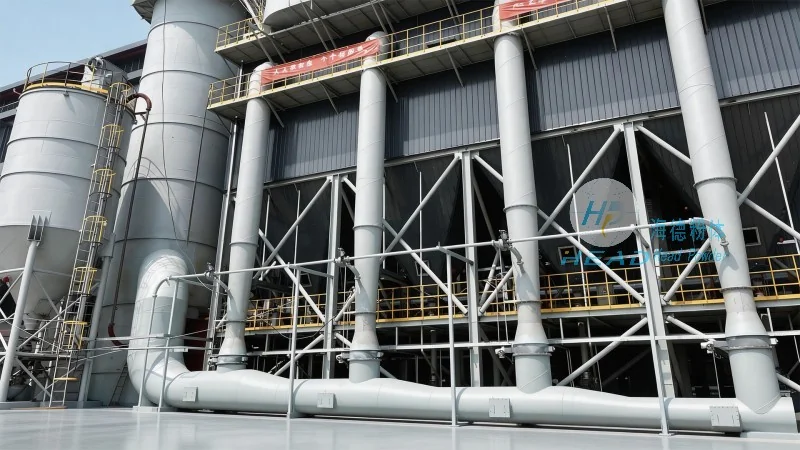
Wheat material pneumatic conveying systems operate by utilizing air as the primary force to transport bulk materials. The fundamental principle involves creating a pressure difference within the conveying pipeline, which propels the wheat particles along the system. A fan or blower generates the necessary airflow, typically ranging from 10 to 30 m/s, depending on the system design and material characteristics. The wheat is introduced into the system through an inlet hopper, which is equipped with a feeder mechanism, such as a rotary valve or a screw conveyor, to control the material flow rate. The feeder ensures a consistent and controlled discharge of wheat into the pipeline, preventing overloading and maintaining stable conveying conditions.
The conveying process can be categorized into dilute-phase and dense-phase systems based on the air-to-material ratio. Dilute-phase systems use higher air velocities (typically 20-30 m/s) and a lower material concentration (around 5-10% by volume), which allows for efficient transport over short to medium distances (up to several hundred meters). In contrast, dense-phase systems employ lower air velocities (around 5-10 m/s) and higher material concentrations (20-30% by volume), often using pulse or valve-controlled air injection to maintain a consistent flow. This method is suitable for longer distances and for materials that are prone to segregation or degradation during transport.
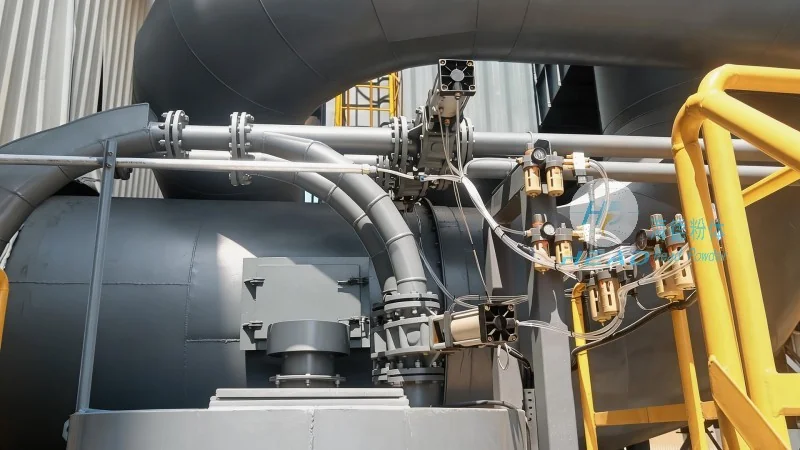
The system includes several key components that work together to ensure efficient material handling. The inlet hopper is designed to store the wheat and provide a smooth feed into the conveying line. The feeder controls the rate of material discharge, which is critical for maintaining consistent conveying velocity and preventing material buildup. The pipeline itself is made of durable materials, such as stainless steel or PVC, to withstand the abrasive nature of wheat particles and the corrosive effects of moisture. The pipeline may include bends, elbows, and expansion joints to accommodate changes in direction and pipeline length, ensuring minimal pressure loss and efficient flow.
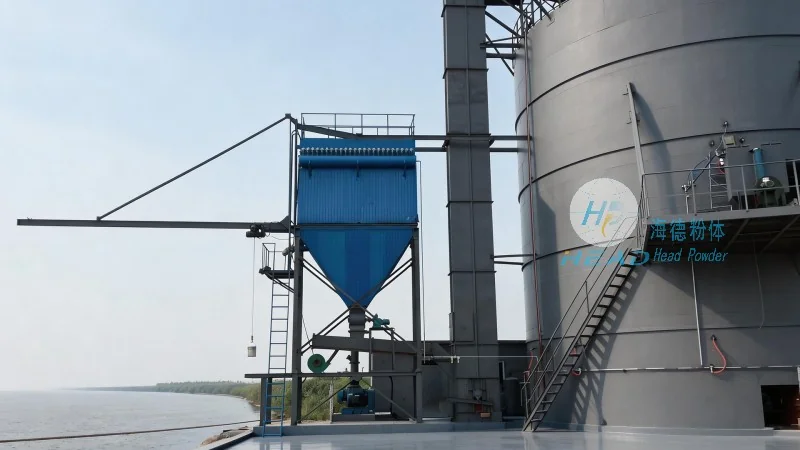
At the discharge end of the system, the wheat is collected in a receiver or silo. The receiver is equipped with a dust collection system, which captures airborne particles and prevents contamination of the surrounding environment. The system may also include a filter or cyclone to separate the wheat from the air, ensuring that the air is clean before it is released back into the environment. The receiver is typically designed with a discharge valve or a rotary valve to control the release of the wheat, allowing for smooth and controlled unloading.
Key Features of Wheat Material Pneumatic Conveying Systems
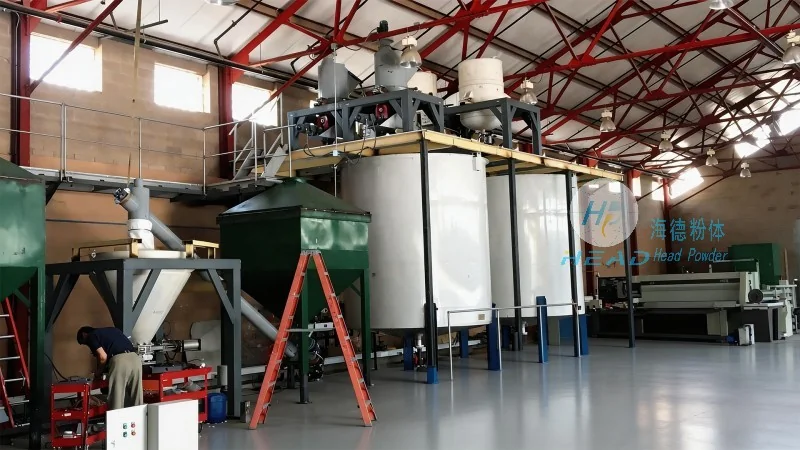
Wheat material pneumatic conveying systems offer several distinct advantages that make them a preferred choice for bulk material handling in the grain processing industry. One of the most significant features is their ability to transport material over long distances without the need for intermediate transfer points. This eliminates the need for additional equipment, such as elevators or conveyors, which reduces operational costs and improves overall efficiency. The systems are also designed to handle a wide range of material characteristics, including different grain sizes, moisture contents, and impurity levels, making them versatile for various processing applications.
Another key feature is the hygienic design of these systems, which is essential in food processing environments. The equipment is constructed from materials that are easy to clean and maintain, such as stainless steel, and the system is equipped with sealed hoppers and air filters to prevent contamination. This ensures compliance with food safety regulations and maintains the quality of the wheat product. Additionally, the systems are energy-efficient, as they use air as the conveying medium, which is more economical than traditional mechanical conveyors that rely on motors and belts. The energy consumption of pneumatic conveying systems is typically lower, leading to reduced operational costs over time.