

Working Principle and Features of Ceramic Material Pneumatic Conveying Systems
For industries dealing with ceramic materials, efficient material handling is crucial to maintaining production efficiency and product quality. Pneumatic conveying systems have emerged as a reliable solution for transporting ceramic powders and granules. This article explores the working principle and key features of ceramic material pneumatic conveying systems, highlighting how they enhance operational performance and safety.
Introduction to Pneumatic Conveying Systems for Ceramic Materials
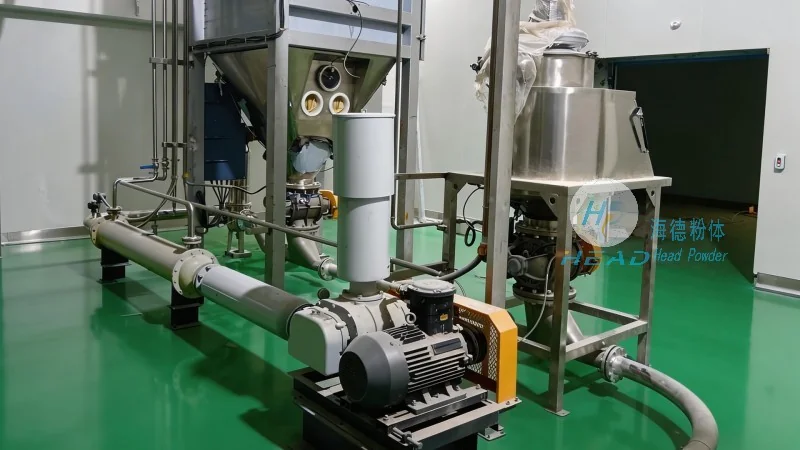
Pneumatic conveying systems utilize air or gas to transport bulk materials like ceramic powders and granules from one location to another. Unlike traditional mechanical conveying methods, these systems offer advantages such as minimal product contamination, low maintenance requirements, and the ability to handle fragile or sensitive materials without damage. The system typically consists of a hopper, a blower or compressor, a pipeline network, and a discharge device. As ceramic materials are often fine and abrasive, specialized components are used to ensure smooth and efficient operation.
Working Principle of Ceramic Material Pneumatic Conveying Systems
The core working principle of a ceramic material pneumatic conveying system involves creating a pressure differential to move material through the pipeline. The process begins with the material being fed into a hopper equipped with a feeder, such as a rotary valve or screw feeder. The feeder controls the flow rate of the ceramic material into the system. Simultaneously, a blower or compressor generates airflow that is directed into the pipeline. As the air flows through the pipeline, it lifts and transports the ceramic particles, moving them from the inlet to the discharge point. The system can operate under either positive pressure (pressure conveying) or negative pressure (vacuum conveying), depending on the application and material characteristics. Positive pressure systems are commonly used for long-distance or high-capacity transport, while vacuum systems are suitable for short distances or when material needs to be collected from multiple sources.
Key Features and Advantages of Ceramic Material Pneumatic Conveying Systems
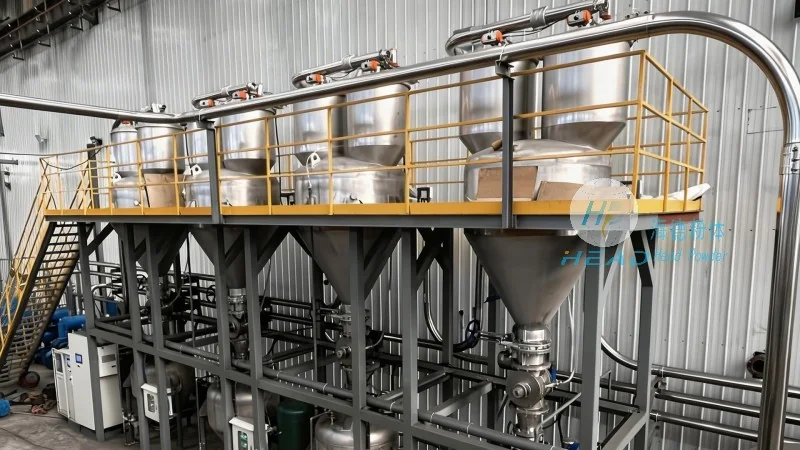
Ceramic material pneumatic conveying systems offer several distinct features that make them ideal for handling delicate or abrasive materials. One of the primary advantages is the ability to maintain product integrity. The enclosed pipeline system prevents exposure to contaminants, moisture, or air, which can degrade the quality of ceramic powders. Additionally, the system minimizes material degradation due to reduced friction and impact compared to mechanical conveyors. Another key feature is the flexibility in system design. Pneumatic conveying systems can be configured in various layouts, including straight-line, loop, or branching pipelines, to accommodate complex production layouts. This adaptability allows for seamless integration into existing facilities without major structural modifications. Shandong HeadPowder Engineering Co., Ltd. specializes in designing such customized systems to meet the unique requirements of ceramic manufacturers, ensuring efficient material transport and process optimization.
Applications and Material Handling Capabilities
Ceramic material pneumatic conveying systems are widely used in various industries, including ceramics manufacturing, pharmaceuticals, and food processing. They are particularly effective for handling fine powders, such as kaolin, feldspar, and silica, which are essential components in ceramic production. The systems can handle materials with varying particle sizes and densities, making them versatile for different production stages. For example, in the ceramic manufacturing process, these systems are used to transport raw materials from storage silos to mixing and processing equipment. The ability to handle abrasive materials without wear and tear on components is a significant advantage, as ceramic powders can be highly abrasive and cause damage to mechanical parts over time.
Operational Considerations and Maintenance
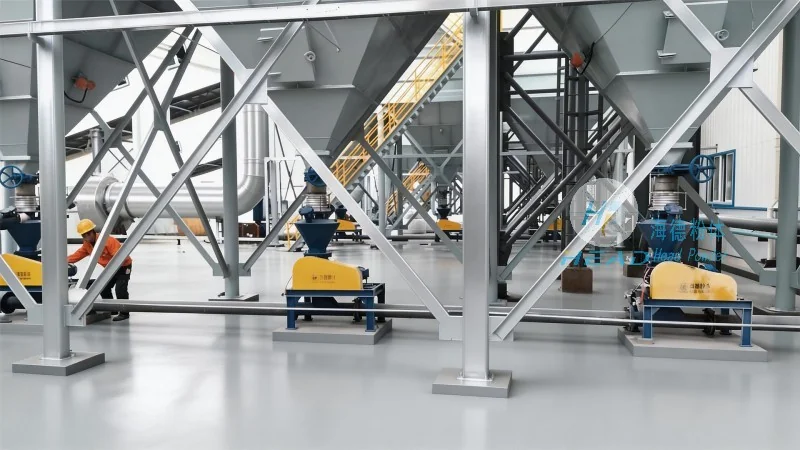
While pneumatic conveying systems offer numerous benefits, proper operation and maintenance are essential to ensure optimal performance. Regular cleaning of the pipeline and hopper is necessary to prevent material buildup, which can affect airflow and system efficiency. The blower or compressor must be maintained to ensure consistent air pressure and flow rates. Additionally, monitoring the system for leaks or pressure drops is crucial to identify and address issues promptly. Proper training of operators on system operation and safety protocols is also important, as pneumatic conveying systems involve high-pressure air and moving parts. By adhering to these operational considerations, companies can maximize the lifespan and efficiency of their ceramic material pneumatic conveying systems.
Conclusion
Pneumatic conveying systems represent a sophisticated and efficient solution for handling ceramic materials in industrial settings. By understanding the working principle and key features of these systems, manufacturers can enhance their production processes, improve product quality, and reduce operational costs. The adaptability and reliability of pneumatic conveying systems make them a preferred choice for industries dealing with fine, abrasive, or sensitive materials. As technology advances, further innovations in system design and materials will likely improve the performance and capabilities of ceramic material pneumatic conveying systems, ensuring their continued relevance in modern manufacturing.