

Working Principle and Features of Powdered Milk Material Pneumatic Conveying Systems
For the efficient and hygienic handling of powdered milk materials, pneumatic conveying systems have become a crucial technology in the food processing industry. These systems utilize air or gas to transport bulk materials like powdered milk from one location to another, offering a solution that minimizes contamination risks and enhances operational efficiency. This article delves into the working principle and key features of such systems, providing insights into how they operate and why they are preferred for handling sensitive dairy products.
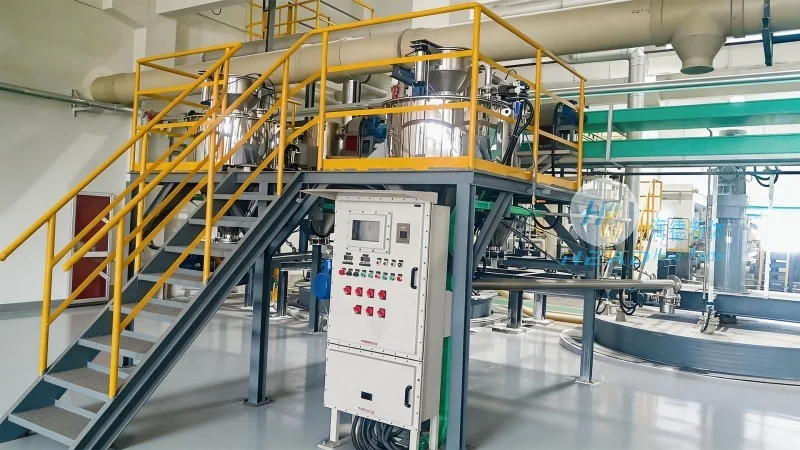
Understanding the Working Principle of Pneumatic Conveying Systems for Powdered Milk
The core of a pneumatic conveying system for powdered milk lies in its ability to use air pressure or vacuum to move material through a pipeline. The process typically involves several key components, including a hopper for material storage, a conveyor line (often made of stainless steel to ensure hygiene), and a control system to regulate air flow and pressure. The working principle can be broadly categorized into two main types: pressure and vacuum systems.
In a pressure system, compressed air is introduced into the material container, creating a pressure differential that forces the powdered milk through the pipeline. This method is suitable for short to medium-distance transport and is often used when the material needs to be conveyed from a silo or storage tank to a processing unit. The system includes an air compressor, a filter to remove moisture and contaminants from the air, and a venturi or rotary valve to control the flow of material and air.
Conversely, vacuum systems operate by creating a negative pressure in the pipeline, drawing the powdered milk from the source into the system. This approach is ideal for longer distances or when the material needs to be transferred from multiple points or from a lower elevation to a higher one. The vacuum system typically features a vacuum pump, a collection hopper, and a filter to ensure that the air used is clean and free from dust or other particles that could affect the quality of the powdered milk.
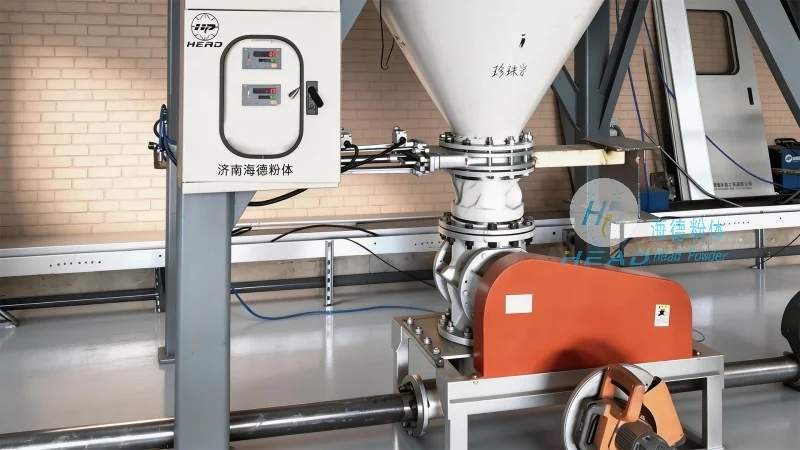
Both systems rely on the principle of fluidization, where the air flow causes the powdered milk particles to become suspended and move along the pipeline. The design of the system, including the size of the pipeline, the velocity of the air, and the angle of the conveyor line, all play critical roles in ensuring efficient and consistent transport. Proper fluidization is essential to prevent material buildup or blockages, which could lead to system downtime or product contamination.
Key Features of Pneumatic Conveying Systems for Powdered Milk
Pneumatic conveying systems for powdered milk offer several advantages that make them a preferred choice over traditional mechanical conveying methods. These features are designed to address the specific challenges of handling sensitive dairy products, such as maintaining product quality, ensuring hygiene, and maximizing operational efficiency.
Firstly, the systems are highly hygienic. The use of stainless steel components and the absence of moving parts that could come into direct contact with the material minimize the risk of contamination. This is particularly important for powdered milk, which is a food product that requires strict adherence to food safety regulations. The enclosed pipeline design also prevents exposure to external contaminants, such as dust or moisture, which could affect the product's quality and shelf life.
Secondly, pneumatic conveying systems are highly efficient in terms of material handling. They can transport large volumes of powdered milk over relatively long distances with minimal energy consumption compared to other methods like belt conveyors or bucket elevators. The ability to handle bulk materials in a continuous flow also reduces labor costs and increases production throughput, making them ideal for high-volume dairy processing facilities.
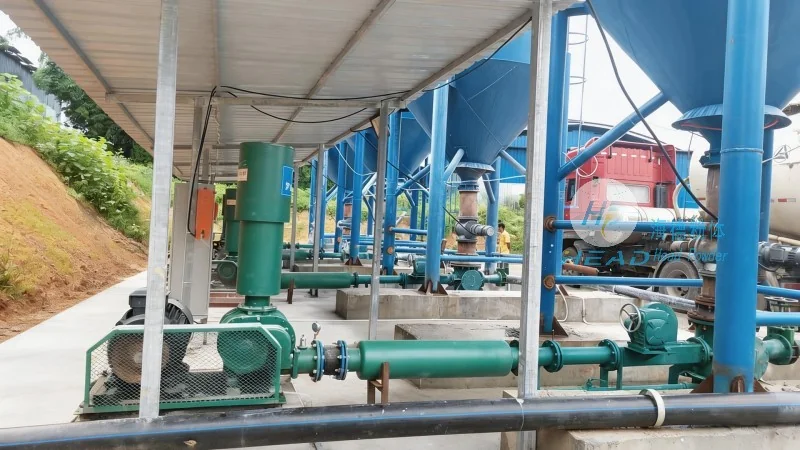
Thirdly, these systems offer flexibility in terms of layout and integration. They can be customized to fit the specific needs of a facility, including the ability to transport materials from multiple sources to different destinations or to integrate with existing processing equipment. The modular design of the system allows for easy expansion or modification as production needs change, providing long-term value to the investment.
Additionally, pneumatic conveying systems are known for their low maintenance requirements. Unlike mechanical systems that have moving parts that can wear out or require regular lubrication, the pneumatic system relies on air flow and simple components like valves and filters. This reduces the need for frequent maintenance, leading to lower operational costs and less downtime for the facility.
Conclusion and Company Overview
As the demand for efficient and hygienic handling of powdered milk continues to grow, pneumatic conveying systems remain a vital technology in the dairy industry. The working principle, which leverages air pressure or vacuum to transport material through a pipeline, combined with key features such as high hygiene standards, operational efficiency, and flexibility, makes these systems an excellent choice for processing facilities. For companies seeking reliable and effective solutions for their powdered milk handling needs, Shandong HeadPowder Engineering Co., Ltd. offers expertise and products tailored to meet these requirements. Based in Shandong, China, HeadPowder specializes in engineering and manufacturing pneumatic conveying systems that are designed to deliver optimal performance and durability for the demanding environment of dairy processing.