

Working Principle and Features of Ash Material Pneumatic Conveying Systems
Shandong HeadPowder Engineering Co., Ltd., a leading provider in the field, specializes in the design, manufacturing, and implementation of advanced pneumatic conveying systems tailored for ash material handling. This article delves into the fundamental working principles and key features of such systems, offering a comprehensive overview for professionals seeking efficient and reliable solutions in industrial ash management.
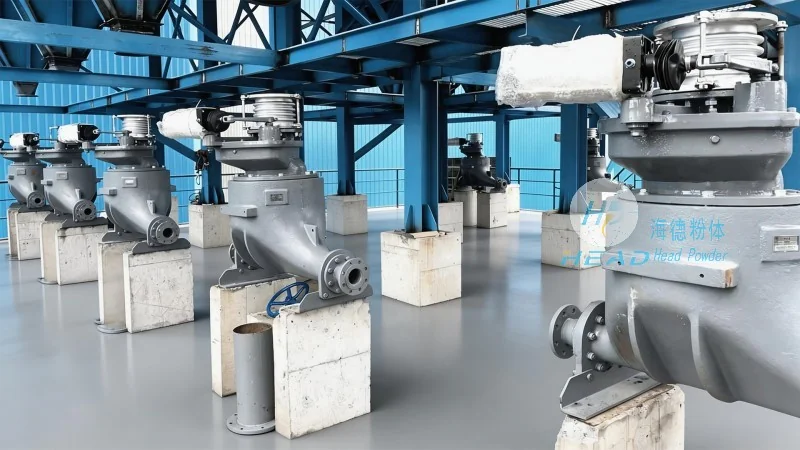
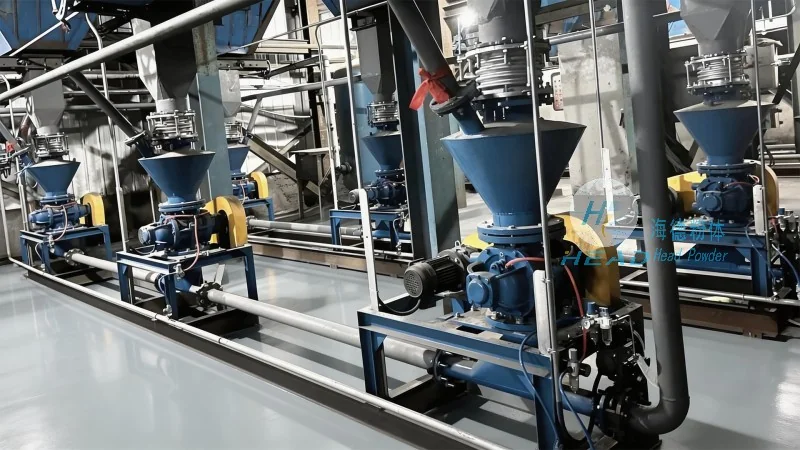
The Working Principle of Pneumatic Conveying Systems for Ash Materials
Pneumatic conveying systems operate by utilizing compressed air or other gases to transport bulk materials, such as ash, through a network of pipes. The process typically involves several key components and steps. First, the ash material is fed into a hopper or feeder, where it is then introduced into a pipeline. Compressed air, generated by a blower or compressor, is introduced into the system, creating a flow that propels the ash particles through the pipes. The system may employ different types of conveying, including dilute-phase and dense-phase, depending on the material characteristics and distance of transport. Dilute-phase systems use higher air velocities to keep particles suspended, suitable for shorter distances and lighter materials. In contrast, dense-phase systems use lower air velocities and higher material-to-air ratios, ideal for longer distances and heavier or more abrasive materials. The control of air pressure and flow rate is critical to ensure efficient and consistent transport, preventing blockages and maintaining system performance.
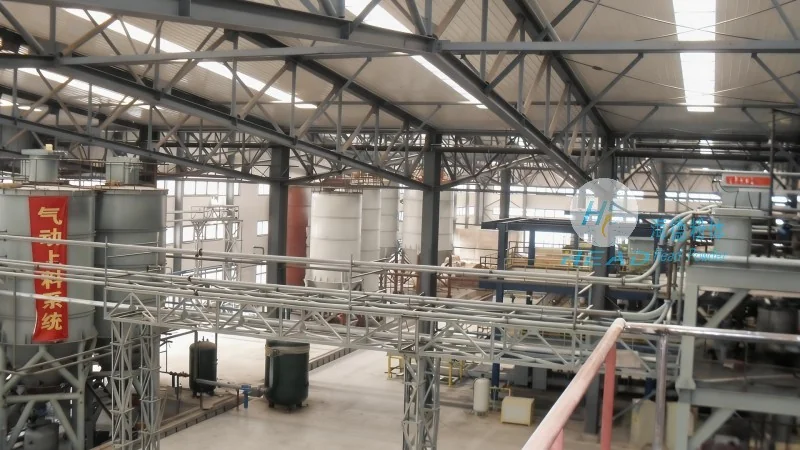
Key Features of Ash Material Pneumatic Conveying Systems
Shandong HeadPowder Engineering Co., Ltd.'s pneumatic conveying systems for ash materials are characterized by several advanced features that enhance operational efficiency and reliability. One of the primary features is the ability to handle a wide range of ash types, from fine powders to larger granules, without the need for additional processing or pre-treatment. The systems are designed to minimize material degradation and loss, ensuring that the ash remains in its original state throughout the conveying process. Another significant feature is the integration of automated control systems, which allow for real-time monitoring and adjustment of air pressure, flow rate, and material feed, optimizing performance and reducing downtime. The systems also incorporate robust materials of construction, such as stainless steel and corrosion-resistant alloys, to withstand the harsh conditions associated with ash handling, including high temperatures and abrasive particles. Additionally, the design prioritizes energy efficiency, utilizing advanced blower technology and optimized pipe layouts to reduce operational costs while maintaining high conveying capacity. Safety features are also integrated, including pressure relief valves and emergency shut-off mechanisms, to protect personnel and equipment from potential hazards.
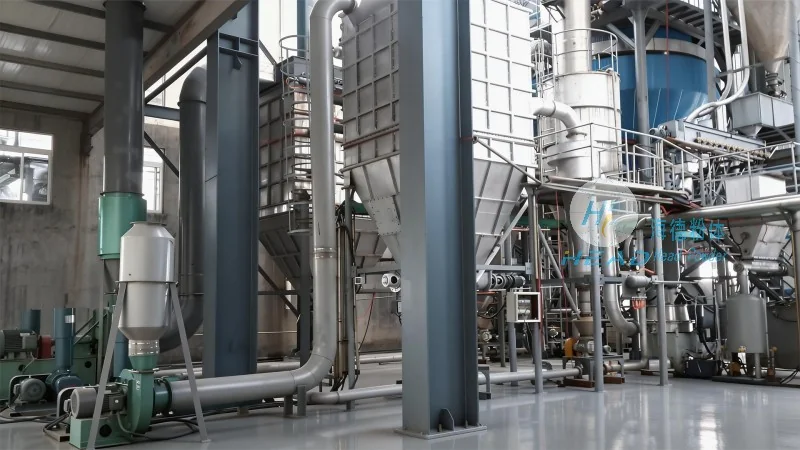
Benefits and Applications of Pneumatic Conveying Systems for Ash Management
The adoption of pneumatic conveying systems for ash material handling offers numerous benefits, including improved safety, reduced labor costs, and enhanced environmental compliance. By eliminating the need for manual handling and traditional conveyor systems, these systems minimize the risk of dust exposure and accidents, contributing to a safer working environment. The automated nature of the systems also reduces the need for manual intervention, lowering labor costs and increasing overall productivity. Furthermore, the efficient transport of ash materials supports better waste management practices, enabling facilities to comply with environmental regulations and reduce the environmental impact of ash disposal. Shandong HeadPowder Engineering Co., Ltd.'s systems are widely used in power plants, waste incineration facilities, and other industrial settings where ash management is critical. The company's expertise in system design and implementation ensures that each solution is tailored to the specific needs of the client, providing a customized approach to ash handling that maximizes efficiency and reliability.