

Working Principle and Characteristics of P-Fe Powder Pneumatic Conveying
Phosphate iron (P-Fe) powder pneumatic conveying is a critical technology in material handling, especially for handling fine powders like phosphate iron. This method involves transporting the powder through a pipeline using air or gas as the conveying medium. Understanding its working principle and key characteristics is essential for optimizing industrial processes and ensuring efficient material transport.
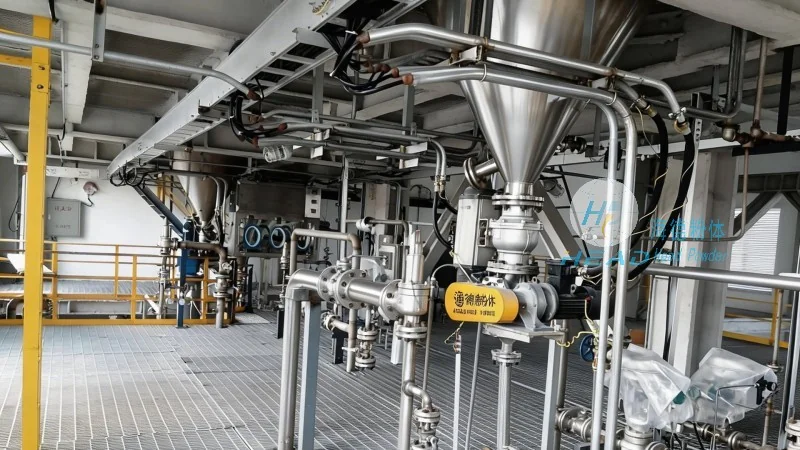
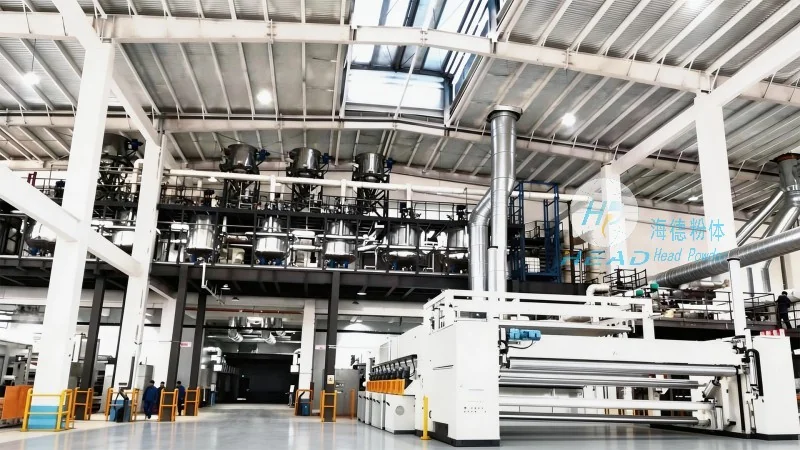
Working Principle of P-Fe Powder Pneumatic Conveying
The working principle of P-Fe powder pneumatic conveying relies on the interaction between the powder particles and the conveying air. The process typically involves several key steps. First, the P-Fe powder is fed into a hopper or feeder, where it is then introduced into a pipeline. Simultaneously, a fan or blower generates a flow of air or gas within the pipeline. The air flow creates a pressure differential that lifts and propels the powder particles through the system. The conveying medium can be either positive pressure (where air is forced into the pipeline) or negative pressure (where air is drawn out). For P-Fe powder, positive pressure systems are commonly used due to the material's properties, such as its density and flowability. The air velocity within the pipeline must be sufficient to overcome the gravitational force acting on the powder particles and to maintain the powder in a suspended state. This ensures that the powder moves smoothly without settling or clogging the pipeline. The system may also include components like cyclones, filters, and collection hoppers to separate the powder from the conveying air and return it to the process or storage.
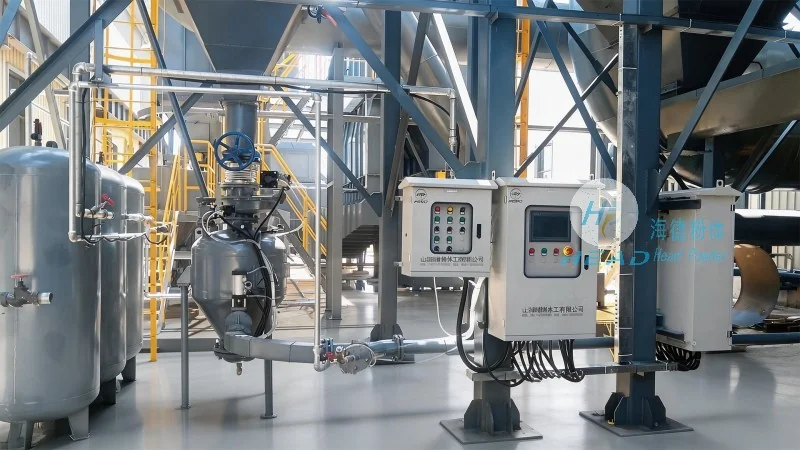
Key Characteristics of P-Fe Powder Pneumatic Conveying
P-Fe powder pneumatic conveying exhibits several distinct characteristics that make it suitable for specific industrial applications. One of the primary advantages is its ability to handle fine powders with high efficiency. The technology allows for continuous, closed-loop transport, which minimizes dust emissions and improves safety in the workplace. Additionally, pneumatic conveying systems can be designed to operate at different scales, from small laboratory setups to large industrial plants, making them versatile for various production needs. The system's flexibility in terms of pipeline layout and integration with other equipment is another notable characteristic. It can be easily adapted to existing facilities or new construction projects. However, there are also some challenges associated with P-Fe powder pneumatic conveying. The material's abrasive nature can lead to wear on the pipeline and equipment components over time, requiring regular maintenance and possibly more durable materials like stainless steel or special coatings. The system's energy consumption is another factor to consider, as the fan or blower must operate continuously to maintain the air flow. Furthermore, the pressure drop across the pipeline can increase with longer distances or higher powder loads, potentially affecting the system's efficiency and requiring additional power or larger equipment. The characteristics of the P-Fe powder itself, such as its moisture content and particle size distribution, also impact the conveying performance. Properly sizing the equipment and controlling the air flow are crucial to ensure stable and reliable operation.
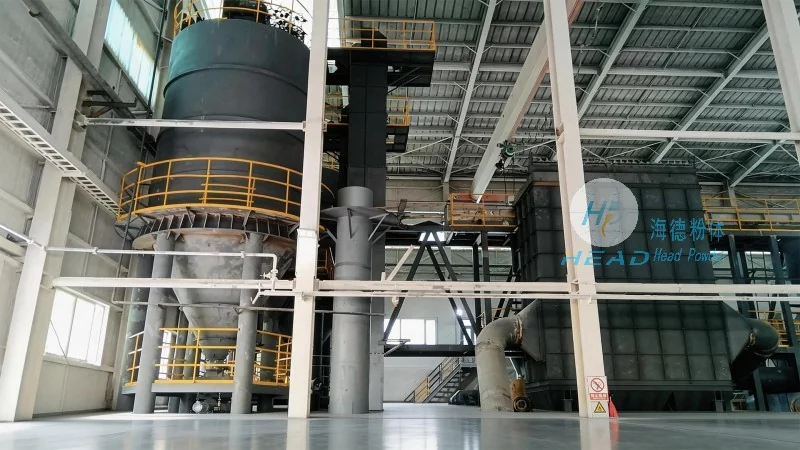
Applications and Benefits in Industrial Settings
P-Fe powder pneumatic conveying is widely used in industries such as battery manufacturing, chemical processing, and mining. In battery production, for example, P-Fe powder is a key component in lithium-ion batteries, and efficient transport is critical to maintaining production throughput. The technology helps ensure that the powder is delivered to the mixing and coating stages without loss or contamination. In chemical processing, pneumatic conveying allows for the safe and controlled transport of reactive powders, reducing the risk of dust explosions and improving process control. The benefits of this method extend beyond efficiency and safety. By minimizing material handling time and reducing the need for manual handling, the system can lower labor costs and improve overall productivity. The closed-loop design also helps maintain product quality by preventing contamination from external sources. For companies like Shandong HeadPowder Engineering Co., Ltd., based in China, this technology is a core part of their engineering solutions. The company specializes in designing and manufacturing pneumatic conveying systems tailored to the specific needs of P-Fe powder applications. Their expertise in material handling and process optimization ensures that clients receive systems that are both effective and reliable. The company's location in Shandong provides access to a skilled workforce and manufacturing capabilities, enabling them to deliver high-quality products and services to the industry.