

Working Principle and Features of Sulfur Material Handling Systems
Understanding the working principle and features of sulfur material handling systems is crucial for industries that rely on sulfur processing and transportation. These systems are designed to efficiently handle the unique properties of sulfur, ensuring safe and reliable operation in various industrial applications.
Working Principle of Sulfur Material Handling Systems
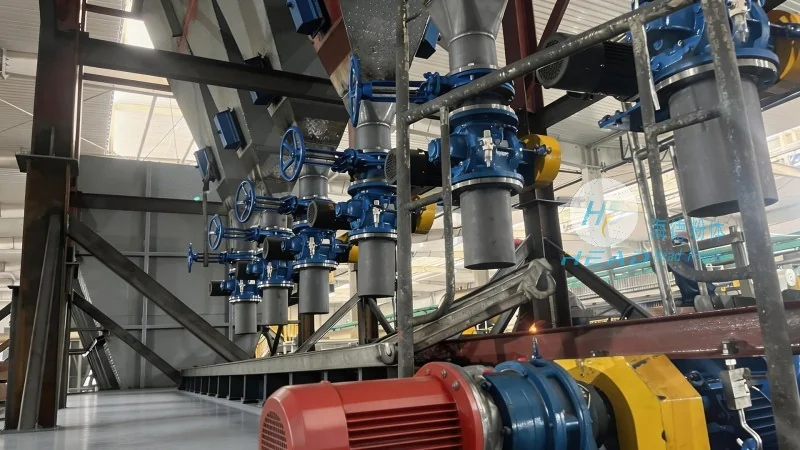
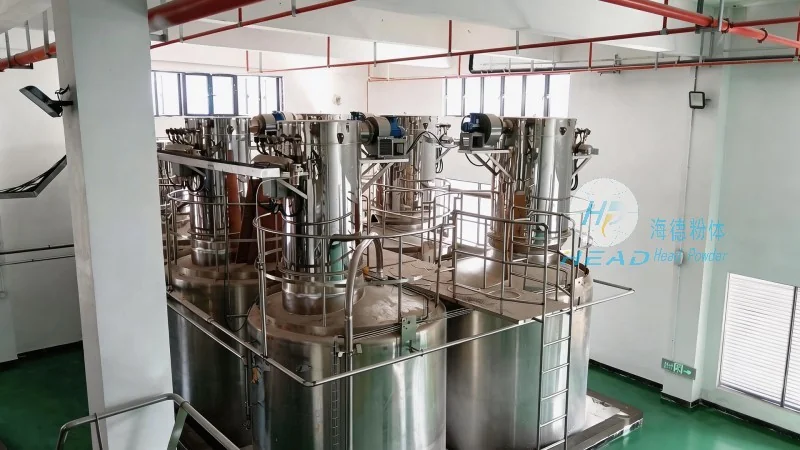
The working principle of sulfur material handling systems revolves around the specific characteristics of sulfur, such as its solid state at room temperature, tendency to sublimate, and potential for dust generation. The system typically includes components like feeders, conveyors, and storage vessels, each tailored to manage sulfur's behavior during transport. For instance, the system may use specialized feeders to control the flow of sulfur, which can be in the form of lumps or granules, and conveyors that are designed to handle the material's low friction and potential for sticking. The process often begins with the storage of sulfur in bulk, where it is kept under controlled conditions to prevent degradation. From the storage area, the sulfur is transferred to the processing unit via the conveyor system, which may include belt conveyors, screw conveyors, or pneumatic conveyors, depending on the application and material characteristics. The system also incorporates safety measures, such as temperature control and dust suppression, to mitigate the risks associated with sulfur handling. Overall, the working principle emphasizes the integration of mechanical components with process controls to ensure consistent and efficient material movement.
Key Features of Sulfur Material Handling Systems
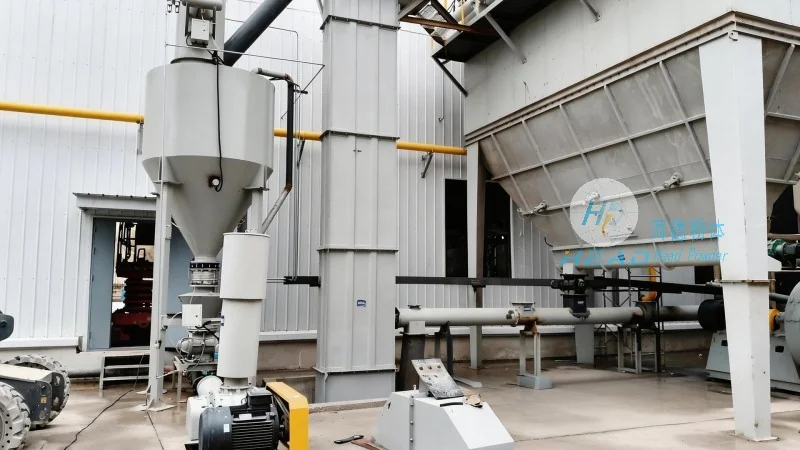
Several key features distinguish sulfur material handling systems, making them suitable for diverse industrial needs. One of the primary features is the system's ability to handle sulfur in various forms, including solid lumps, granules, and even molten sulfur under certain conditions. This versatility allows the system to be adapted to different processing stages, from raw material storage to intermediate processing. Another significant feature is the emphasis on safety and environmental protection. The systems are equipped with dust collection and filtration systems to minimize sulfur dust emissions, which are hazardous to both personnel and the environment. Additionally, temperature control mechanisms are integrated to prevent sulfur from sublimating or decomposing, which could lead to operational issues or safety hazards. The systems also prioritize efficiency and reliability, with components designed to minimize downtime and maximize throughput. For example, the use of high-quality materials and robust construction ensures that the system can withstand the corrosive nature of sulfur and its byproducts. Furthermore, the integration of automation and monitoring systems allows for real-time control and maintenance, enhancing the overall performance and longevity of the equipment. These features collectively contribute to the effectiveness of sulfur material handling systems in industrial settings.
Company Information and Expertise
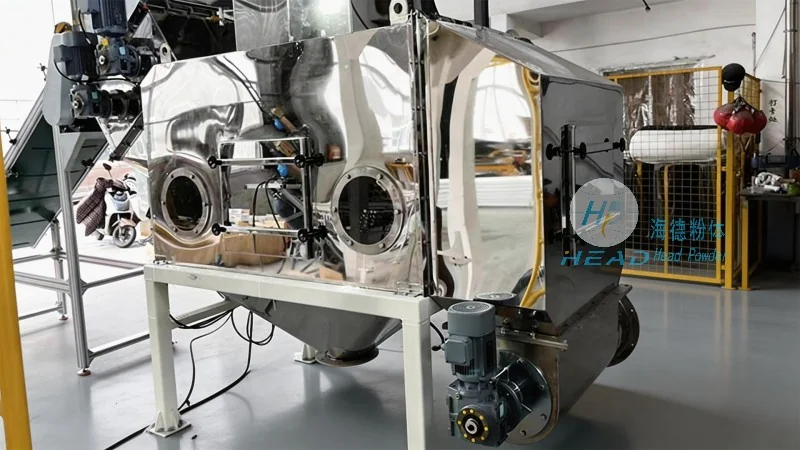
HeadPowder, a leading provider of engineering solutions, specializes in the design and manufacturing of sulfur material handling systems. With a strong presence in Shandong, China, HeadPowder Engineering Co., Ltd. has established itself as a trusted partner for industries requiring reliable and efficient sulfur handling solutions. The company's expertise lies in understanding the unique challenges of sulfur processing and developing customized systems that meet the specific needs of clients. By leveraging advanced technology and industry knowledge, HeadPowder ensures that its systems are not only efficient but also safe and environmentally compliant. The company's commitment to quality and customer satisfaction has earned it a reputation for delivering high-performance sulfur material handling systems that enhance operational productivity and reduce risks in industrial operations.