

Working Principle and Features of Continuous Quantitative Powder Conveyors
Continuous quantitative powder conveyors are essential equipment in industrial processes, particularly in sectors dealing with bulk materials such as chemicals, food, and pharmaceuticals. These systems are designed to transport and measure powder materials in a continuous, controlled manner, ensuring precise dosing and consistent flow rates. The following sections will explore the working principle and key features of such equipment, highlighting how they enhance operational efficiency and product quality.
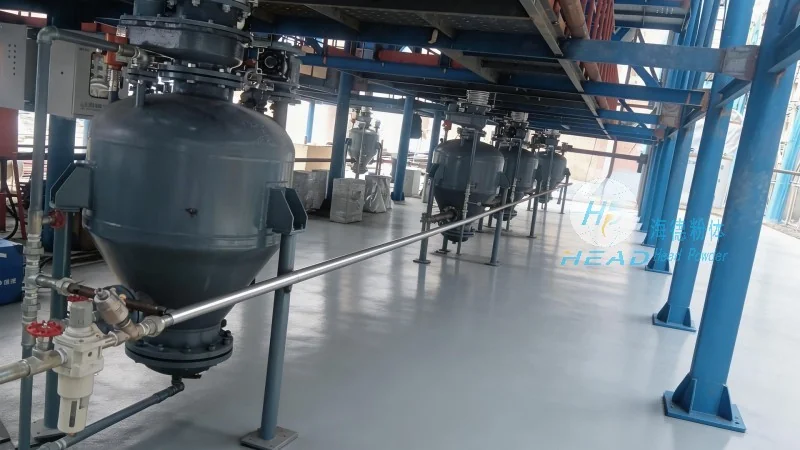
Working Principle of Continuous Quantitative Powder Conveyors
The core mechanism of continuous quantitative powder conveyors involves several integrated components that work in tandem to achieve accurate material handling. The system typically starts with a hopper or storage container where the powder is stored. From there, the material is drawn into a conveyor section, often using a screw or auger mechanism. The screw or auger rotates at a controlled speed, moving the powder forward through the conveyor tube. A key component is the dosing mechanism, which may include a variable-speed drive or a feedback control system to regulate the amount of powder being conveyed. Sensors, such as load cells or flow meters, monitor the flow rate in real-time, allowing adjustments to be made dynamically. This closed-loop control system ensures that the output is consistent and meets the required dosage, whether for packaging, mixing, or processing applications.
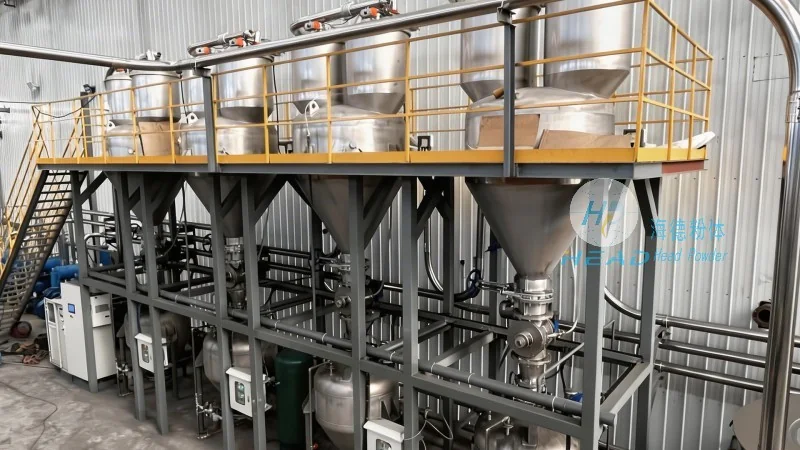
Key Features of Continuous Quantitative Powder Conveyors
Continuous quantitative powder conveyors are characterized by several features that make them suitable for demanding industrial environments. First, they offer high precision in material measurement, with accuracy levels often ranging from ±0.5% to ±1% depending on the system design. This precision is crucial for applications where exact dosing is critical, such as in pharmaceutical manufacturing or food processing. Second, the equipment is designed for continuous operation, allowing for uninterrupted production runs and minimizing downtime. The robust construction, typically made from stainless steel or other corrosion-resistant materials, ensures durability and hygiene, which is essential in industries like food and pharmaceuticals. Third, the conveyors are equipped with advanced control systems that can integrate with existing production lines, providing seamless automation. This integration enables operators to monitor and adjust the system remotely, enhancing overall operational efficiency. Additionally, the design allows for easy cleaning and maintenance, reducing the risk of contamination and ensuring compliance with industry standards. The flexibility of these systems also allows for adaptation to different powder types and flow characteristics, making them versatile for various applications.
Applications and Benefits in Industrial Settings
Continuous quantitative powder conveyors find widespread use in various industrial sectors due to their ability to handle a wide range of materials and provide consistent performance. In the pharmaceutical industry, they are used for transporting active ingredients and excipients with high precision, ensuring the quality and safety of final products. In the food industry, these conveyors are employed for handling ingredients like flour, sugar, and spices, maintaining hygiene standards and preventing cross-contamination. The chemical industry also benefits from their use in transporting powders such as pigments, catalysts, and reagents, where accurate dosing is vital for chemical reactions and product consistency. The primary benefits of using continuous quantitative powder conveyors include improved process control, reduced material waste, and enhanced product quality. By maintaining consistent flow rates and dosing, these systems help minimize errors and variations in production, leading to higher yields and lower costs. Furthermore, the automation capabilities reduce the need for manual intervention, improving safety and efficiency in the workplace.
Conclusion
Continuous quantitative powder conveyors represent a sophisticated solution for precise material handling in industrial applications. Their working principle, based on controlled screw or auger movement combined with real-time monitoring and feedback control, ensures accurate and consistent powder transport. The key features, including high precision, continuous operation, robust construction, and advanced control systems, make these conveyors ideal for demanding environments. By integrating seamlessly with production lines and offering flexibility in material handling, they contribute significantly to operational efficiency and product quality. For industries requiring reliable and precise powder processing, continuous quantitative powder conveyors from Shandong HeadPowder Engineering Co., Ltd. provide a robust and effective solution.