

What is a Vacuum Powder Feeder and Its Design Principles?
For industries dealing with bulk powders, efficient and reliable material handling is crucial. Among the various solutions available, vacuum powder feeders have emerged as a sophisticated and versatile tool for transporting and dosing powders. This article explores the fundamental aspects of vacuum powder feeders, delving into their design principles and the technology behind their operation. By understanding these elements, users can better appreciate how such equipment enhances productivity and precision in powder handling applications.
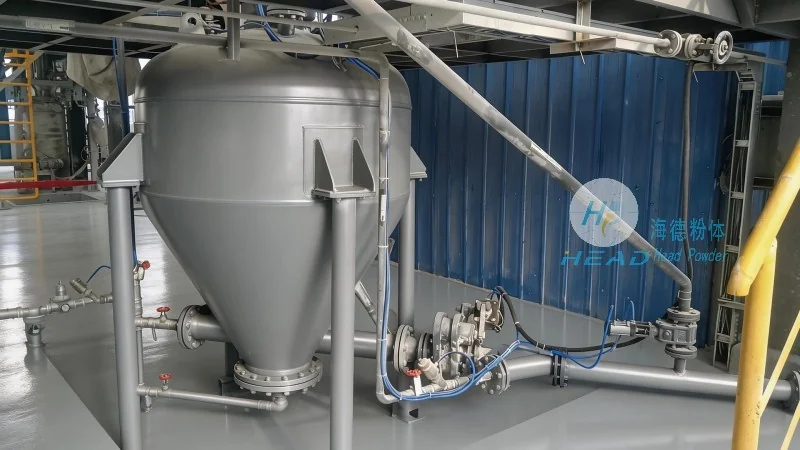
Understanding the Vacuum Powder Feeder: A Core Component in Powder Handling
A vacuum powder feeder, also known as a vacuum conveyor or powder dosing system, is a device designed to transport dry powders or granules from a source to a destination using a vacuum or pressure differential. Unlike traditional mechanical conveyors, which rely on physical movement or gravity, vacuum feeders utilize air flow to create a negative pressure environment that draws material through a sealed system. This method offers several advantages, including gentle handling of delicate powders, minimal product degradation, and the ability to handle materials with varying flow properties.
Key Design Principles and Operational Mechanisms
The effectiveness of a vacuum powder feeder is rooted in its integrated design, which typically includes several critical components working in harmony. The primary elements include a vacuum pump or blower to generate the necessary suction force, a hopper or feed chamber to hold the material, a feed mechanism (such as a rotary valve or screw feeder) to control the flow rate, and a network of flexible or rigid ducts to transport the material to the discharge point. The design must also consider factors like material compatibility, air filtration, and energy efficiency to ensure optimal performance.
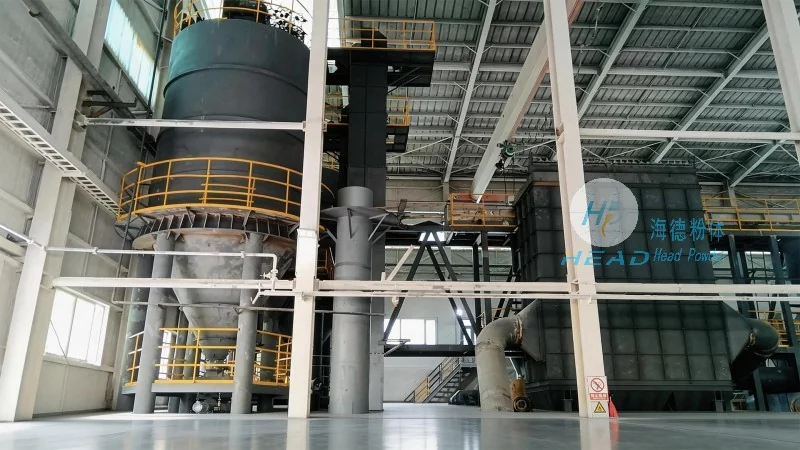
At the heart of the system is the vacuum generation process. The vacuum pump creates a pressure differential between the feed hopper and the discharge area, causing the powder to be drawn into the ductwork. The feed mechanism regulates the amount of material entering the system, ensuring a consistent flow rate. This combination of suction and controlled feeding allows for precise dosing and uniform material transfer, which is essential for applications where accuracy and repeatability are paramount.
HeadPowder: A Leader in Vacuum Powder Feeder Technology
HeadPowder, a prominent manufacturer based in Shandong, China, specializes in the design, development, and production of advanced powder handling equipment. With years of experience in the industry, the company has built a reputation for delivering high-quality vacuum powder feeders tailored to meet diverse industrial needs. HeadPowder’s commitment to innovation and customer satisfaction is reflected in their comprehensive product line, which includes models suitable for a wide range of applications, from pharmaceuticals and food processing to chemical and industrial manufacturing.
HeadPowder Engineering Co., Ltd., located in Shandong, China, leverages cutting-edge technology and rigorous quality control to ensure that each vacuum powder feeder meets the highest standards. The company’s team of engineers and technicians works closely with clients to understand their specific requirements, providing customized solutions that enhance operational efficiency and reduce downtime. By partnering with HeadPowder, businesses can benefit from reliable equipment that is built to last and backed by exceptional customer support.
Applications and Benefits of Vacuum Powder Feeders
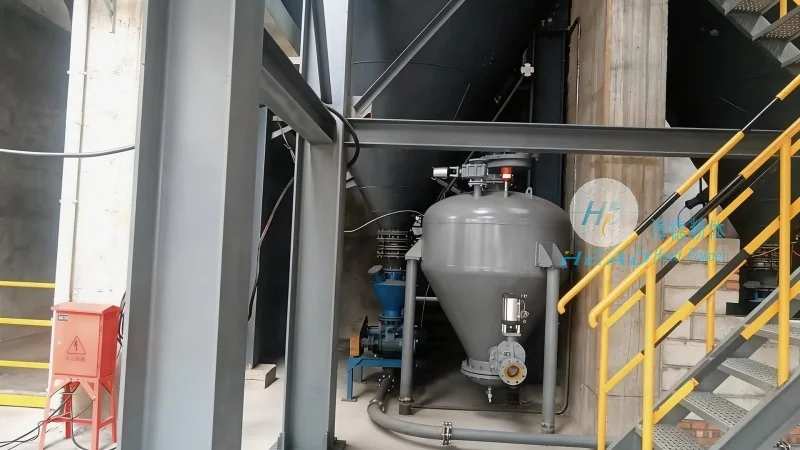
Vacuum powder feeders are widely used across various industries due to their adaptability and efficiency. In pharmaceutical manufacturing, for example, they are employed to handle sensitive powders with minimal contamination risk. In food processing, they ensure hygienic and clean transfer of ingredients. Chemical and industrial sectors benefit from the ability to handle abrasive or corrosive materials without damage to the equipment. The key advantages of using vacuum powder feeders include improved product quality, reduced waste, enhanced safety through enclosed systems, and the ability to handle materials with poor flow characteristics.
By integrating advanced design principles and robust construction, vacuum powder feeders offer a reliable solution for material handling challenges. The technology’s ability to handle delicate powders gently and maintain consistent flow rates makes it an indispensable tool in modern production environments. As industries continue to demand higher precision and efficiency, the role of vacuum powder feeders will only grow, solidifying their position as a cornerstone of effective powder handling systems.