

The Working Principle and Features of the Iron Oxide Powder Conveying System
When it comes to the efficient handling and transportation of iron oxide powders, the iron oxide powder conveying system stands out as a critical solution in industrial applications. This system is designed to address the unique challenges associated with handling fine powders, ensuring reliable and safe material movement from one point to another. Understanding its working principle and key features is essential for industries that rely on consistent and high-quality powder processing.
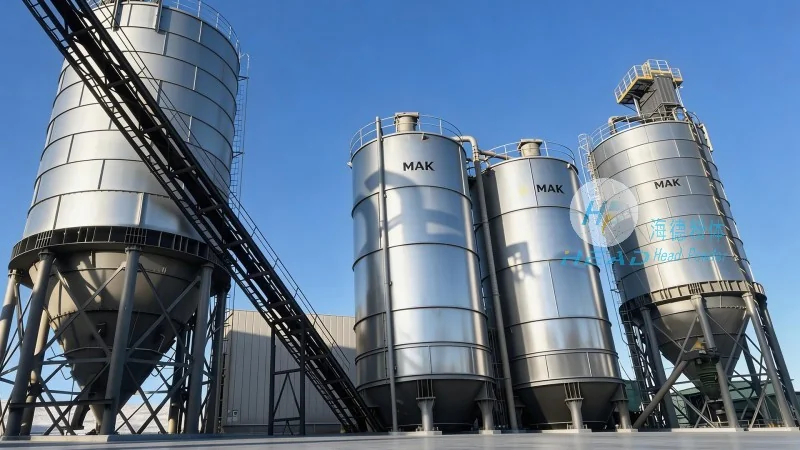
Overview of the Iron Oxide Powder Conveying System
The iron oxide powder conveying system is a specialized piece of equipment engineered to manage the transportation of iron oxide powders, which are widely used in various sectors such as pigments, coatings, and pharmaceuticals. The system is built to handle the specific properties of iron oxide powders, including their fine particle size, potential for dust generation, and the need for controlled flow. By integrating advanced technologies and robust design, this system ensures optimal performance while maintaining safety standards.
The Working Principle of the Iron Oxide Powder Conveying System
The core working principle of the iron oxide powder conveying system revolves around the use of pneumatic or mechanical methods to move the powder. In pneumatic conveying systems, compressed air is used to create a flow that transports the powder through a network of pipes. This method is particularly effective for handling fine powders as it minimizes the risk of blockages and ensures a smooth flow. The system typically includes components such as a hopper for material storage, a feeder to control the flow rate, and a conveying line that delivers the powder to the destination. The air pressure and flow rate are carefully regulated to maintain consistent material transport without causing excessive wear on the equipment.

On the other hand, mechanical conveying systems utilize components like screw conveyors or belt conveyors to move the powder. These systems are often preferred for applications requiring higher material throughput or where the powder needs to be transported over longer distances. The mechanical design ensures that the powder is moved without the need for compressed air, making it suitable for environments where air quality is a concern. The system includes elements such as a drive mechanism, a conveyor screw or belt, and a discharge mechanism to deliver the powder to the target location. The mechanical components are designed to withstand the abrasive nature of iron oxide powders, ensuring long-term durability and reliability.
Key Features of the Iron Oxide Powder Conveying System
The iron oxide powder conveying system is characterized by several key features that enhance its performance and usability. One of the primary features is its ability to handle fine powders with minimal dust generation. This is achieved through the use of sealed systems and efficient filtration, which helps maintain a clean working environment and reduces the risk of contamination. The system also offers precise control over the flow rate, allowing for accurate dosing and consistent material delivery. This is crucial for applications where the quality of the final product depends on the exact amount of iron oxide powder used.
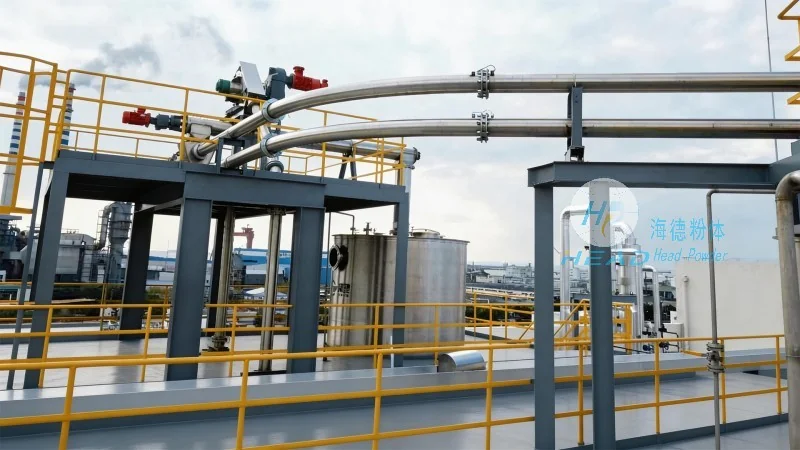
Another significant feature is the system's adaptability to different operating conditions. It can be customized to handle varying particle sizes and moisture levels, making it suitable for a wide range of iron oxide powders. The system also incorporates safety features such as pressure relief valves and emergency stop mechanisms to prevent accidents and ensure operator safety. Additionally, the design allows for easy maintenance and cleaning, reducing downtime and maintenance costs over the system's lifespan.
Applications and Benefits in Industrial Settings
The iron oxide powder conveying system finds extensive applications in various industrial sectors. In the pigment industry, it is used to transport iron oxide pigments to production lines, ensuring consistent coloration and quality in coatings and paints. In the pharmaceutical industry, the system is employed to handle iron oxide powders used in drug formulations, where precision and purity are paramount. The system also plays a vital role in the manufacturing of iron oxide-based catalysts and other chemical products, where reliable material transport is essential for efficient production.
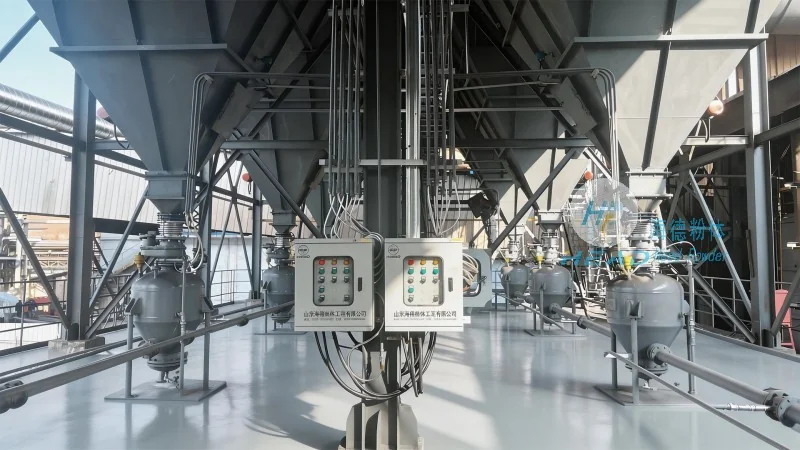
The benefits of using the iron oxide powder conveying system extend beyond just efficient material handling. By reducing the risk of dust exposure and improving safety, it contributes to a healthier working environment. The precise control over flow rates also leads to cost savings by minimizing material waste and optimizing production processes. Furthermore, the system's durability and low maintenance requirements make it a cost-effective solution for long-term industrial use.
Conclusion
In conclusion, the iron oxide powder conveying system is a sophisticated and essential component in the processing of iron oxide powders. Its working principle, which may involve pneumatic or mechanical methods, is designed to handle the unique properties of these fine powders with efficiency and reliability. The key features, including dust control, precise flow regulation, and adaptability, make it a versatile solution for various industrial applications. By understanding and leveraging these aspects, industries can enhance their production processes, improve product quality, and ensure a safe working environment. The iron oxide powder conveying system, developed by Shandong HeadPowder Engineering Co., Ltd., exemplifies advanced engineering and commitment to quality, providing a reliable solution for the transportation of iron oxide powders.