

Working Principle and Features of Cement Powder Conveying Systems
Shandong HeadPowder Engineering Co., Ltd., commonly known as HeadPowder, specializes in the design and manufacturing of advanced powder conveying systems, particularly for cement and similar gray powders. This article explores the working principle and key features of their cement gray powder conveying systems, providing a detailed understanding of how these systems operate and their advantages in industrial applications.
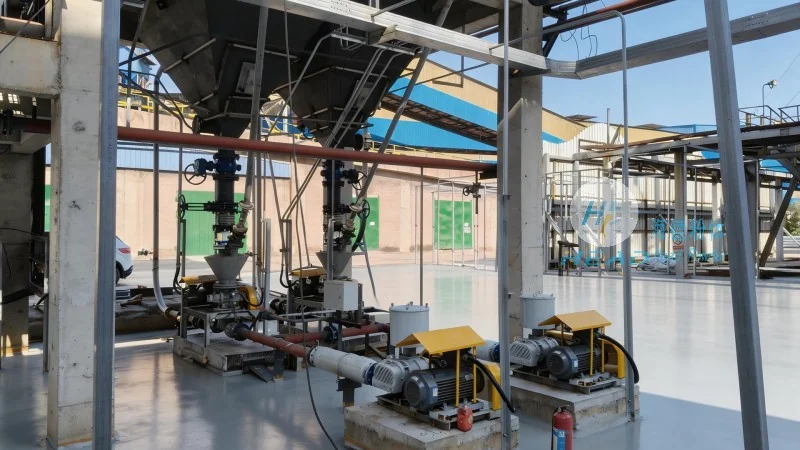
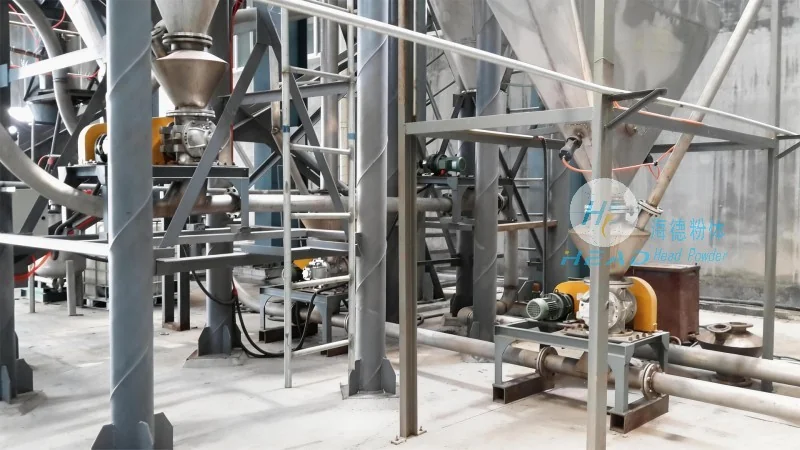
Working Principle of Cement Powder Conveying Systems
The cement gray powder conveying system operates on the principle of pneumatic or mechanical transport, depending on the specific design. For pneumatic systems, the process typically involves the following steps: first, the cement powder is fed into a hopper or storage silo. From there, the powder is drawn into a conveying line using a vacuum or pressure source. The system uses a combination of air flow and specialized ductwork to move the powder efficiently from the source to the destination. In mechanical systems, such as screw conveyors or belt conveyors, the powder is transported through rotating components that push or pull the material along the conveyor path. Both methods aim to ensure consistent and reliable transport of the cement powder, minimizing material loss and ensuring proper handling of the fine particles.
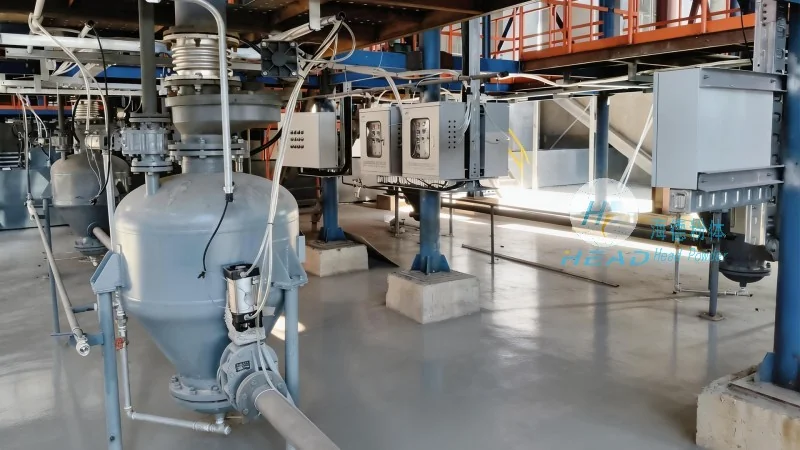
Key Features of Cement Powder Conveying Systems
HeadPowder's cement gray powder conveying systems are characterized by several key features that enhance performance and reliability. One of the primary features is the use of high-quality materials and components designed to withstand the abrasive nature of cement powder. The systems are constructed with corrosion-resistant materials to ensure longevity and reduce maintenance costs. Additionally, the conveying lines are equipped with advanced sealing mechanisms to prevent dust leakage and maintain a clean working environment. Another important feature is the integration of control systems that allow for precise regulation of the conveying rate, pressure, and flow. This enables operators to adjust the system according to production needs, improving efficiency and reducing waste. The systems also incorporate safety features, such as emergency shut-off valves and pressure relief devices, to protect both personnel and equipment from potential hazards. Furthermore, the design allows for easy maintenance and cleaning, with components that can be quickly accessed and serviced, minimizing downtime during operation.
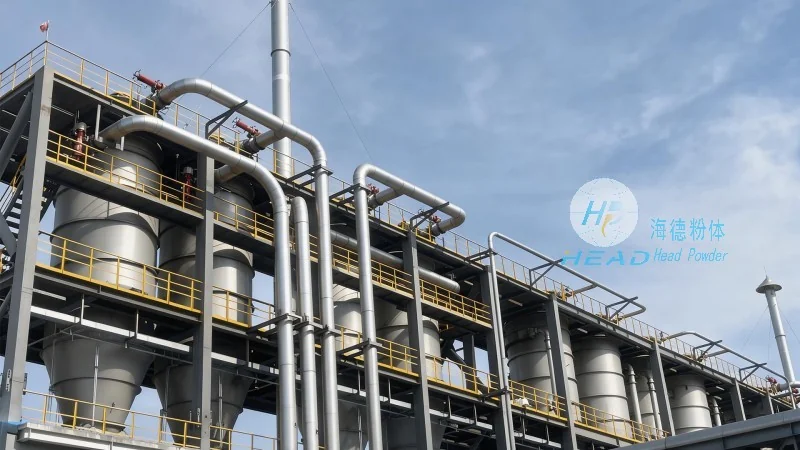
Advantages in Industrial Applications
The cement gray powder conveying systems from HeadPowder offer significant advantages in various industrial applications. These systems are particularly effective in cement production plants, where large volumes of cement powder need to be transported between different stages of the production process. The efficient transport of cement powder reduces the time and labor required for manual handling, leading to increased productivity. In addition, the systems help maintain consistent product quality by ensuring that the cement powder is transported without contamination or degradation. The reliable operation of the conveying systems also contributes to lower operational costs, as they require less energy and maintenance compared to traditional methods. Furthermore, the systems are adaptable to different production scales, from small-scale operations to large industrial facilities, making them suitable for a wide range of applications. The ability to handle fine powders without clogging or blockages is another key advantage, as cement powder can be prone to such issues in other conveying methods. Overall, HeadPowder's cement gray powder conveying systems provide a robust and efficient solution for the transport of cement and similar powders, meeting the demands of modern industrial production.