

Working Principle and Features of Catalyst Pneumatic Conveying Equipment
For industrial applications involving catalyst handling, efficient and reliable material transport is crucial. The catalyst pneumatic conveying equipment, manufactured by Shandong HeadPowder Engineering Co., Ltd. (commonly known as headpowder), offers a sophisticated solution to meet these demands. This equipment is designed to handle catalyst powders and granules with precision, ensuring minimal loss and optimal performance in various processing environments.
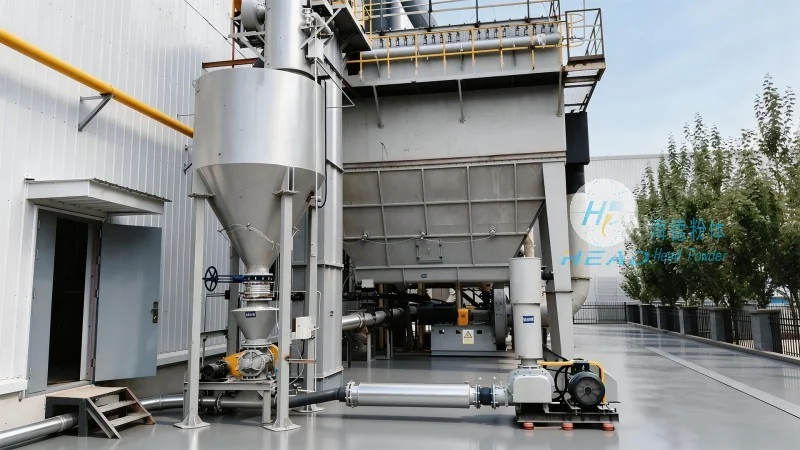
Working Principle of Catalyst Pneumatic Conveying Equipment
The core operation of catalyst pneumatic conveying systems relies on the principles of fluid dynamics and air pressure. The equipment typically consists of a hopper, a blower or compressor, a pipeline system, and a discharge mechanism. When the system is activated, the blower generates a high-velocity air stream that draws the catalyst material from the hopper into the pipeline. The air flow carries the particles through the system, delivering them to the desired destination. The process can be either positive pressure (where air pushes the material) or negative pressure (where air pulls the material), depending on the specific design and application requirements. This method eliminates the need for mechanical components like belts or screws, reducing maintenance and increasing operational efficiency.
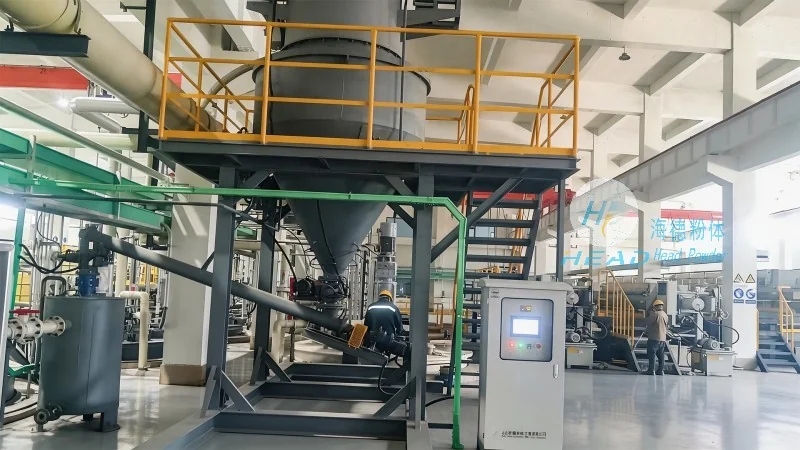
Key Features of Catalyst Pneumatic Conveying Equipment
Shandong HeadPowder Engineering Co., Ltd. designs catalyst pneumatic conveying equipment with several distinct features that enhance performance and usability. First, the equipment is engineered for low material degradation, which is critical for catalysts that are sensitive to abrasion or temperature changes. The smooth internal surfaces and appropriate air velocities minimize particle breakage, preserving the catalyst's active properties. Second, the system offers high flexibility in terms of layout and integration. It can be customized to fit various plant configurations, allowing for horizontal, vertical, or complex multi-point delivery. Third, the equipment provides excellent dust control and environmental safety. The sealed system prevents dust emissions, complying with industrial regulations and maintaining a clean working environment. Additionally, the equipment is equipped with advanced control systems that allow for precise flow regulation and monitoring, ensuring consistent material delivery. The robust construction and durable materials used in the design ensure long-term reliability and minimal downtime, making it a cost-effective solution for catalyst handling over time.
Advantages in Industrial Catalyst Handling
When compared to traditional mechanical conveying methods, catalyst pneumatic conveying equipment offers several advantages that make it the preferred choice for many industries. The most significant benefit is the reduction in material handling time and labor costs. The automated system can transport large quantities of catalyst material quickly and efficiently, reducing the need for manual handling and associated risks. Another advantage is the improved product quality. By minimizing material exposure to external factors, the equipment helps maintain the catalyst's purity and activity, which is vital for optimal performance in downstream processes. Furthermore, the system's compact design and modular components allow for easy installation and maintenance, reducing the overall footprint and operational complexity. The energy efficiency of the equipment, particularly in positive pressure systems, also contributes to lower operational costs and a smaller environmental footprint.
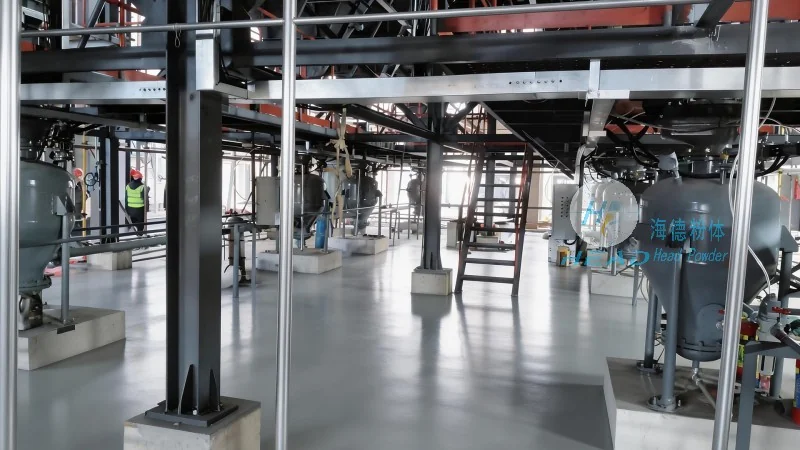
Application Examples and Industry Impact
The versatility of catalyst pneumatic conveying equipment makes it suitable for a wide range of applications across different industries. In the chemical and petrochemical sectors, it is commonly used to transport catalyst powders between reactors, reactors and storage tanks, and for feeding catalysts into fluidized bed reactors. In the pharmaceutical industry, the equipment is employed to handle catalysts in the production of active pharmaceutical ingredients (APIs), ensuring a clean and controlled environment. The equipment is also utilized in the food and beverage industry for handling food-grade catalysts, where hygiene and safety are paramount. By providing a reliable and efficient means of catalyst transport, the equipment supports the smooth operation of production lines and helps maintain product quality standards. The consistent performance of the system contributes to improved overall plant efficiency and reduced downtime, ultimately leading to higher productivity and profitability for the end-user.