

The Working Principle and Characteristics of Carbon Black and Coal Powder Pneumatic Conveying
Carbon black and coal powder are critical raw materials across multiple industrial sectors, and their efficient handling directly impacts production efficiency and product quality. Pneumatic conveying has emerged as a leading technology for transporting these powders, offering advantages in terms of safety, environmental friendliness, and operational efficiency. This article delves into the working principle and key characteristics of carbon black and coal powder pneumatic conveying systems, with a focus on the expertise of Shandong HeadPowder Engineering Co., Ltd.
Overview of Pneumatic Conveying Technology
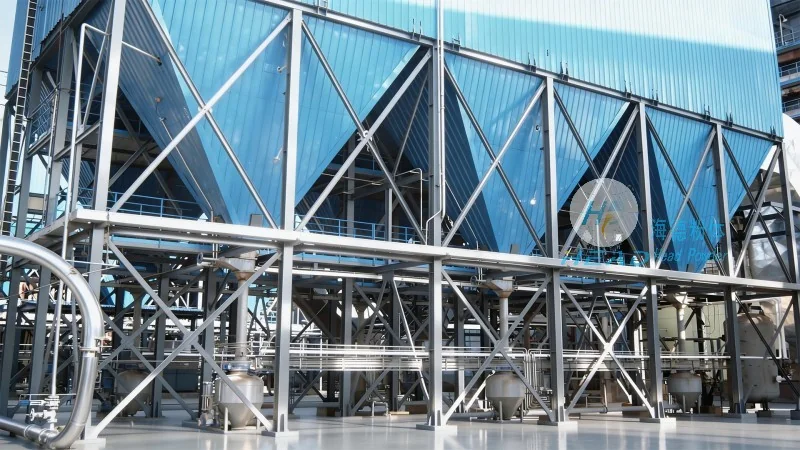
Pneumatic conveying systems utilize air or gas as the medium to transport bulk materials like carbon black and coal powder. The fundamental concept involves creating a pressure differential or vacuum to move the material through a pipeline. Two primary types of systems are commonly used: pressure conveying and vacuum conveying. Pressure conveying employs compressed air to push the material forward, while vacuum conveying uses a vacuum to draw the material into the system. For fine, abrasive materials such as carbon black and coal powder, the system design must account for material properties, conveying distance, and required flow rates to ensure optimal performance.
The Working Principle of Carbon Black and Coal Powder Pneumatic Conveying
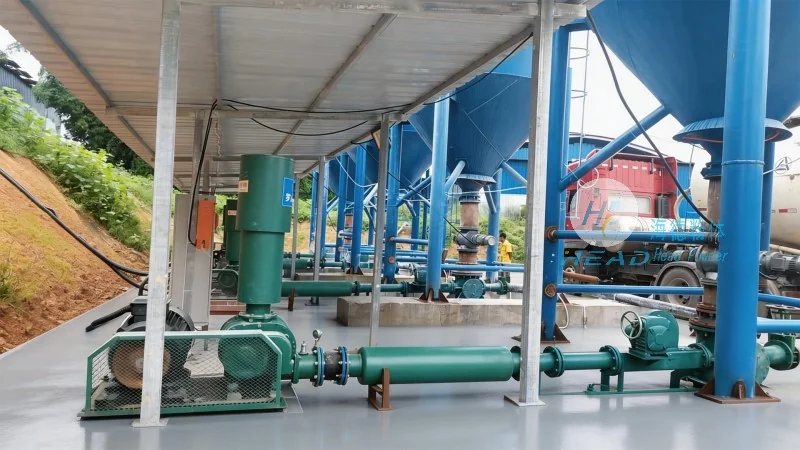
The core mechanism of the system begins with the feed hopper, where the carbon black or coal powder is stored. A rotary valve or feeder regulates the material flow into the conveying line. The material is then mixed with air in the hopper or a venturi section, where the air velocity is sufficient to lift and transport the particles. The conveying line, typically constructed from stainless steel or other corrosion-resistant materials, ensures the material reaches its destination, such as a storage silo or processing unit. The system integrates components like air compressors, filters, and cyclone separators to manage air quality and prevent material buildup. The entire process is automated, allowing for precise control over flow rate and pressure, which is essential for maintaining the consistency and quality of the transported material.
Key Characteristics and Advantages
One of the most significant advantages of pneumatic conveying for carbon black and coal powder is its ability to handle fine, abrasive materials without causing excessive wear on equipment. The system is also highly efficient, as it can transport large quantities of material over long distances with minimal energy consumption compared to alternatives like belt conveyors. Additionally, pneumatic conveying reduces dust exposure, enhancing workplace safety and product purity. The flexibility of the system allows for easy integration with existing production lines, and it can be customized to meet specific operational requirements. However, considerations such as material segregation and regular maintenance are necessary to ensure long-term reliability. Shandong HeadPowder Engineering Co., Ltd. specializes in designing and implementing these systems, leveraging extensive industry experience to provide tailored solutions that align with client needs in the carbon black and coal powder sectors.
Industrial Applications and Benefits
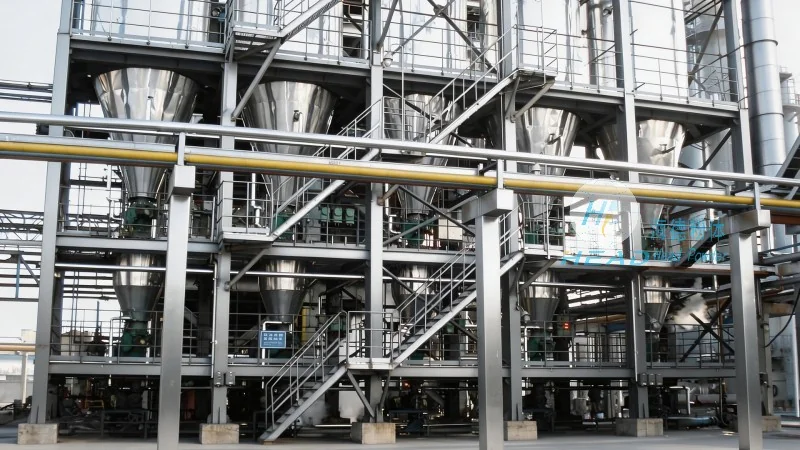
Carbon black and coal powder pneumatic conveying systems are widely utilized in industries including rubber, plastics, and power generation. In the rubber industry, carbon black is used as a reinforcing agent, and efficient conveying ensures uniform quality in final products. In power plants, coal powder is transported to boilers for combustion, where the system's reliability is critical for maintaining operational efficiency. The benefits of pneumatic conveying include reduced downtime due to fewer mechanical parts, lower maintenance costs over time, and improved safety by minimizing manual handling of powders. Shandong HeadPowder Engineering Co., Ltd. has successfully deployed these systems in various industrial settings, demonstrating their effectiveness in enhancing productivity and product consistency.
Conclusion
Pneumatic conveying represents a sophisticated and efficient method for transporting carbon black and coal powder, offering substantial advantages over traditional handling techniques. The working principle, which relies on air movement and precise material flow control, ensures reliable and consistent performance. Key characteristics such as material handling capability, energy efficiency, and environmental benefits make it a preferred choice for many industries. Shandong HeadPowder Engineering Co., Ltd. plays a vital role in providing these systems, combining technical expertise with practical solutions to meet the evolving demands of the carbon black and coal powder industries. By understanding the principles and characteristics of pneumatic conveying, industries can optimize their material handling processes and achieve greater operational efficiency and product quality.