

What is a Long-Distance Bulk Material Pneumatic Conveying System? And What Are Its Design Principles
Long-distance bulk material pneumatic conveying systems are advanced industrial solutions designed to transport bulk materials over significant distances with efficiency and reliability. These systems utilize air or gas as the medium to move powders, granules, and other particulate materials from one location to another, eliminating the need for traditional mechanical conveyors like belts or buckets. The technology has become increasingly vital in various industries, including food processing, pharmaceuticals, chemicals, and mining, where the safe and hygienic handling of materials is paramount.
Core Components of Pneumatic Conveying Systems
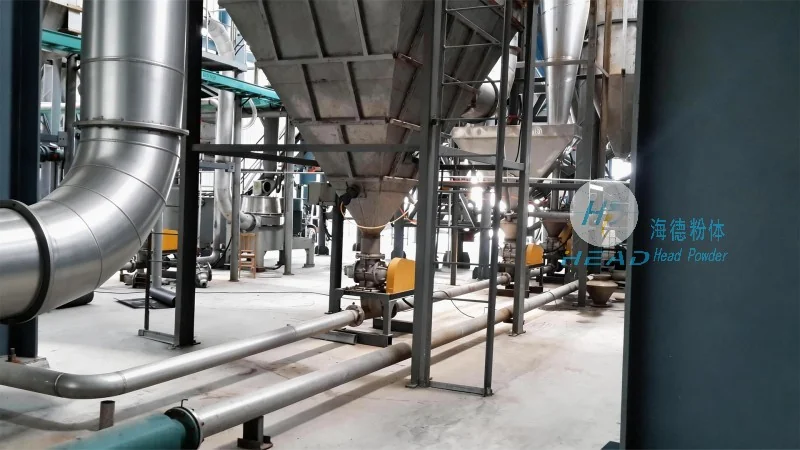
All pneumatic conveying systems, regardless of their complexity or application, consist of several fundamental components that work in tandem to achieve material transport. The primary components include a material feed hopper, a conveying line (often equipped with pressure vessels or vacuum pumps), a control system, and a discharge unit. The feed hopper is responsible for storing and metering the bulk material, ensuring a consistent flow into the system. The conveying line, which can be either positive pressure or negative pressure (vacuum) based, is where the material is propelled by the air flow. The control system manages the pressure, flow rate, and overall operation, while the discharge unit collects the material at the destination. Each component plays a critical role in maintaining the system's performance and preventing material degradation or blockages.
Design Principles for Efficient Long-Distance Conveying
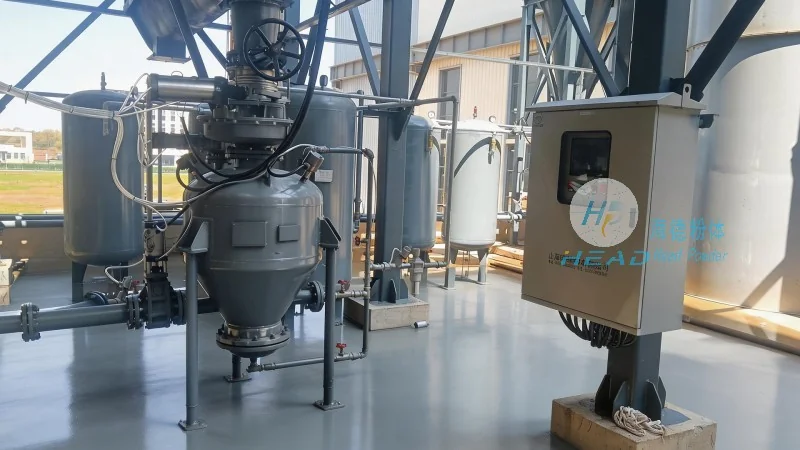
The design of a long-distance pneumatic conveying system is governed by several key principles aimed at optimizing performance, energy efficiency, and material integrity. One of the most critical considerations is the selection of the appropriate conveying method—either positive pressure or negative pressure. Positive pressure systems use blowers to force air and material through the line, which is ideal for short to medium distances and when the material is non-abrasive. Conversely, negative pressure (vacuum) systems use suction to draw material into the line, making them suitable for longer distances and when the material is sensitive to pressure or when the source and destination are at different elevations. Another crucial principle is the calculation of air velocity and pressure drop. The air velocity must be sufficient to prevent material settling but not so high as to cause excessive wear on the system components or degrade the material. Engineers typically use empirical formulas and industry standards to determine the optimal air velocity and pressure, ensuring that the system operates within safe and efficient parameters. Additionally, the system's layout, including the number of bends, elbows, and expansion joints, is carefully designed to minimize pressure losses and prevent material accumulation or blockages. Proper sizing of the conveying line and components, such as the blower or vacuum pump, is also essential to match the system's capacity and ensure consistent operation.
Applications and Benefits in Industrial Settings
Long-distance bulk material pneumatic conveying systems find widespread application across diverse industrial sectors due to their versatility and advantages over traditional conveying methods. In the food and beverage industry, these systems are used to transport ingredients like flour, sugar, and spices from storage silos to processing lines, ensuring hygienic and contamination-free handling. The pharmaceutical industry relies on pneumatic conveying for the transport of active pharmaceutical ingredients (APIs) and other sensitive materials, where maintaining product purity and preventing cross-contamination is critical. In the chemical industry, the systems handle various powders and granules, including catalysts and reagents, with precision and safety. The mining and minerals sector uses pneumatic conveying to transport ore and other bulk materials from mines to processing plants, reducing the need for heavy machinery and improving operational efficiency. The benefits of these systems extend beyond material transport; they also offer significant advantages in terms of space savings, as they can be installed in vertical or horizontal configurations without the need for extensive infrastructure. Additionally, pneumatic conveying systems are more flexible than traditional conveyors, allowing for easy reconfiguration or expansion as production needs change. They also reduce labor costs by automating the material handling process and minimizing the risk of workplace accidents associated with manual handling of bulk materials.
Company Overview: Shandong HeadPowder Engineering Co., Ltd.
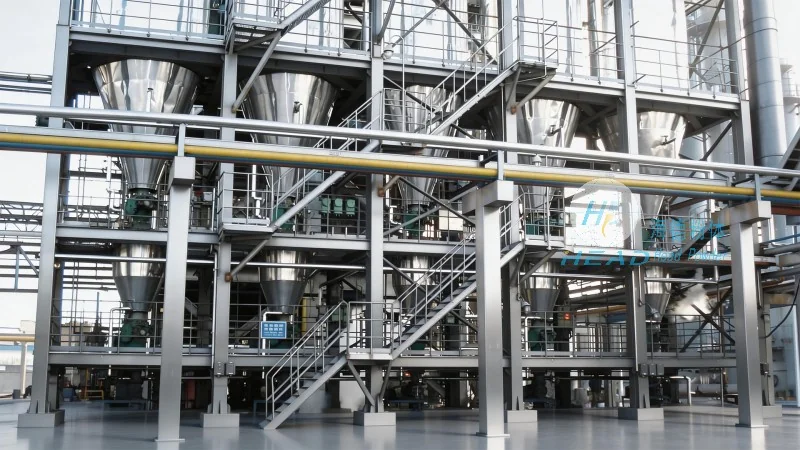
HeadPowder, a leading provider of bulk material handling solutions, specializes in the design, manufacturing, and installation of advanced pneumatic conveying systems. With a strong commitment to innovation and customer satisfaction, the company has established itself as a trusted partner in the industry. HeadPowder's team of experienced engineers and technicians leverages cutting-edge technology and industry best practices to develop customized solutions tailored to each client's unique requirements. The company's headquarters is located in Shandong, China, where it operates a state-of-the-art manufacturing facility equipped with the latest equipment and quality control measures. HeadPowder's products are designed to meet international standards and are backed by comprehensive after-sales support, including maintenance, repair, and technical assistance. The company's focus on quality and reliability has earned it a reputation for delivering durable and efficient systems that enhance operational performance and reduce costs for its clients. By combining expertise with customer-centric approaches, HeadPowder continues to lead the way in the development of advanced bulk material handling technologies.