

What is Ash and Slag Material Pneumatic Conveying? And What Are Its Design Principles?
Understanding the principles and design of ash and slag material pneumatic conveying is crucial for industries dealing with high-temperature or abrasive byproducts. This article explores the fundamental concepts behind this technology, focusing on the engineering aspects that ensure efficient and reliable material transport. The content is presented by Shandong HeadPowder Engineering Co., Ltd., a leading provider in the field, based in China.
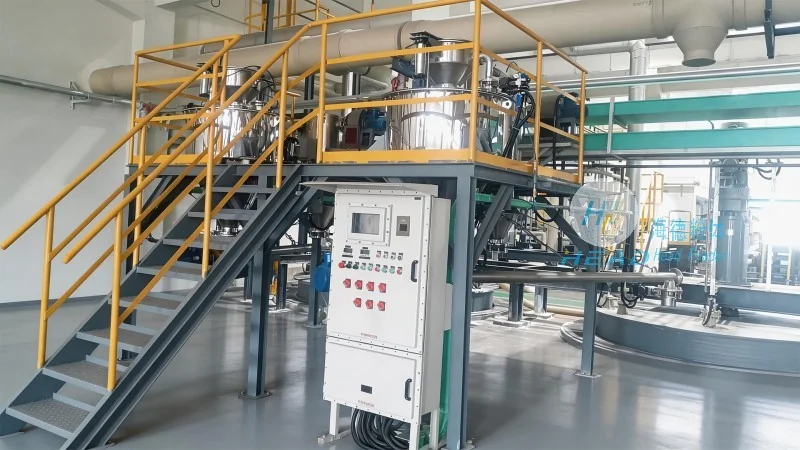
Introduction to Ash and Slag Pneumatic Conveying Systems
Ash and slag are common byproducts generated in thermal power plants, cement factories, and other industrial processes. These materials often present challenges in handling due to their high temperature, abrasive nature, and potential for dust formation. Pneumatic conveying offers a solution by transporting these materials through a pipeline using air or gas as the conveying medium. This method eliminates the need for mechanical components like belts or buckets, reducing maintenance and increasing safety in handling hazardous materials.
Key Design Principles for Ash and Slag Conveying Systems
The design of a pneumatic conveying system for ash and slag involves several critical principles to ensure optimal performance. First, the system must be capable of handling high-temperature materials without degradation or damage to components. This requires the use of heat-resistant materials for the pipeline, such as stainless steel or specialized alloys that can withstand temperatures up to several hundred degrees Celsius. Additionally, the system must be designed to manage abrasive particles, which can cause wear on the pipeline and components over time. The selection of appropriate materials and the incorporation of wear-resistant coatings or liners are essential to extend the system's lifespan.
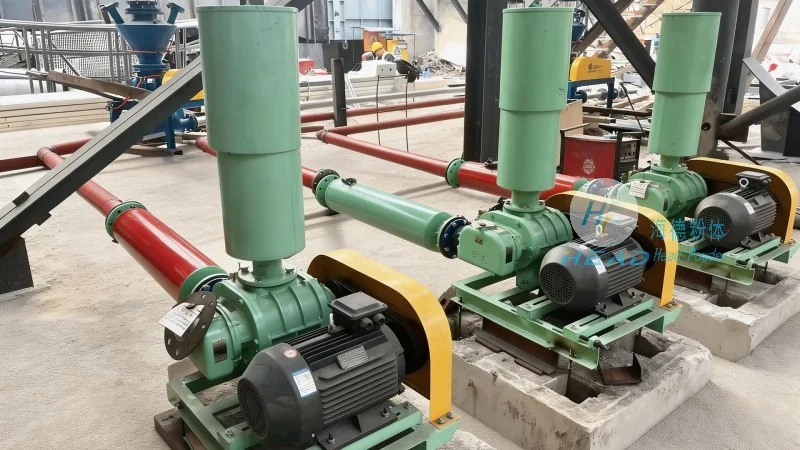
Second, the system must effectively control the flow of air and material to maintain consistent conveying rates. This involves the use of appropriate air velocity, which is typically higher than in conventional pneumatic conveying to handle the density and size of ash and slag particles. The design also includes the selection of suitable air compressors and blowers that can generate sufficient pressure to overcome the resistance in the pipeline. The system may incorporate pressure vessels or surge tanks to regulate the flow and prevent backflow, ensuring smooth operation even under varying load conditions.
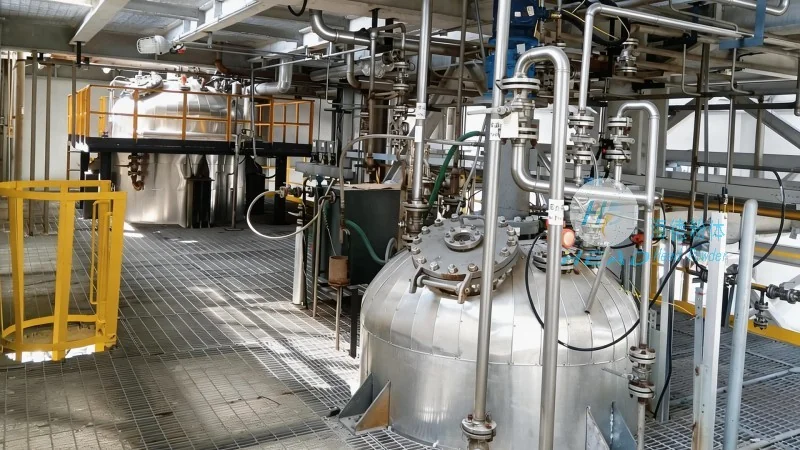
Components and Their Roles in the Conveying Process
Ash and slag pneumatic conveying systems consist of several key components, each playing a vital role in the overall operation. The primary components include the material feed hopper, which holds the ash or slag and feeds it into the pipeline. The feed hopper is equipped with a rotary valve or feeder to control the material flow rate, ensuring a steady supply to the conveying line. The pipeline itself is a critical component, made from durable materials to withstand the harsh conditions of ash and slag transport. It may include bends, elbows, and expansion joints to accommodate changes in direction and pressure, minimizing energy loss and wear.
The air supply system, including the compressor and blower, provides the necessary pressure to move the material through the pipeline. The system may also include filters and separators to remove any moisture or fine particles from the air, preventing contamination and ensuring the longevity of the equipment. At the discharge end, the system typically includes a receiver or silo where the conveyed material is collected. The receiver may be equipped with a discharge valve or conveyor to transfer the material to the next processing stage. In some cases, the system may include a dust collection system to capture any particles that escape during the conveying process, ensuring compliance with environmental regulations.
Advantages of Pneumatic Conveying for Ash and Slag
Implementing a pneumatic conveying system for ash and slag offers several advantages over traditional mechanical methods. First, it provides a closed system that minimizes dust emissions and improves safety by containing the material within the pipeline. This reduces the risk of inhalation of hazardous particles and protects workers from exposure to high temperatures or abrasive materials. Second, the system is highly efficient in terms of energy consumption, as it uses air pressure to move the material rather than mechanical components that require constant maintenance. The lack of moving parts in the pipeline also reduces the need for frequent repairs and maintenance, leading to lower operational costs over time.
Third, pneumatic conveying allows for flexible and scalable system designs. The pipeline can be easily extended or modified to accommodate changes in production volume or facility layout. This flexibility is particularly beneficial in industrial settings where processes may evolve or expand over time. Additionally, the system can handle a wide range of material types and sizes, making it suitable for various applications in different industries. The ability to transport ash and slag from one location to another without the need for manual handling or external transport vehicles further enhances operational efficiency.
Considerations for System Installation and Maintenance
When installing and maintaining an ash and slag pneumatic conveying system, several factors must be considered to ensure optimal performance and longevity. First, the system must be properly sized to handle the expected material flow rate and pressure requirements. This involves calculating the necessary air velocity and pressure to overcome the resistance in the pipeline and ensure the material is conveyed at the desired rate. The system should also be designed with adequate space for maintenance and access to components, allowing for easy inspection and repair.
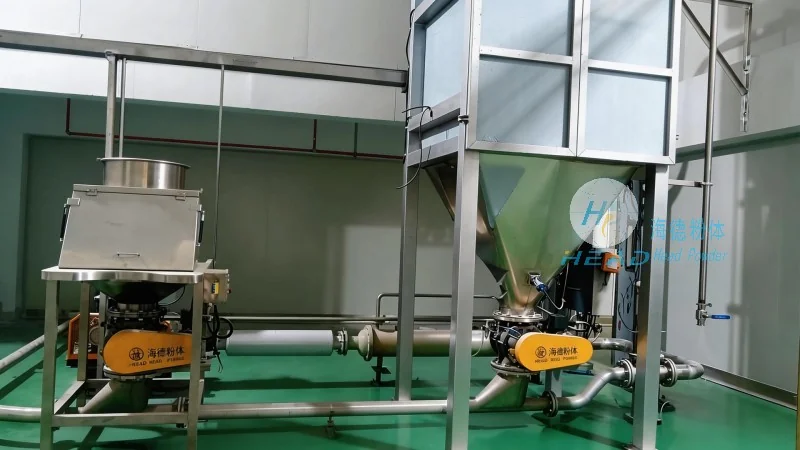
Maintenance of the system is another critical aspect. Regular inspections of the pipeline and components for signs of wear or damage are essential to prevent system failures. The air compressor and blower should be checked regularly for proper operation and efficiency, as they are key components that affect the overall performance of the system. Filters and separators should be cleaned or replaced as needed to maintain air quality and prevent clogging. The material feed hopper and discharge equipment should also be inspected for any blockages or wear, ensuring smooth operation throughout the conveying process.
Environmental considerations are also important when installing an ash and slag pneumatic conveying system. The system should be designed to minimize dust emissions and comply with local environmental regulations. This may involve the use of dust collection systems or additional filtration to ensure that the air discharged from the system meets the required standards. The system should also be designed to handle any potential spills or leaks, preventing environmental contamination and ensuring the safety of the surrounding area.
Conclusion
Ash and slag material pneumatic conveying is a sophisticated technology that addresses the challenges of handling high-temperature and abrasive industrial byproducts. By understanding the design principles and components involved, industries can implement efficient and reliable systems that improve safety, reduce costs, and enhance operational flexibility. Shandong HeadPowder Engineering Co., Ltd. specializes in the design, manufacturing, and installation of such systems, providing tailored solutions to meet the specific needs of their clients. With proper design and maintenance, pneumatic conveying systems offer a sustainable and effective method for transporting ash and slag in various industrial applications.