

What is Bulk Bag Unloading Material Pneumatic Conveying? And What Are Its Design Principles?
Bulk bag unloading material pneumatic conveying is a specialized method used to transfer bulk materials from flexible containers, commonly known as ton bags or super sacks, into processing or storage systems. This technology leverages the principles of pneumatic transport to move powders, granules, and other particulate materials efficiently and safely. The design of such systems involves careful consideration of various factors to ensure optimal performance, reliability, and material handling capabilities.
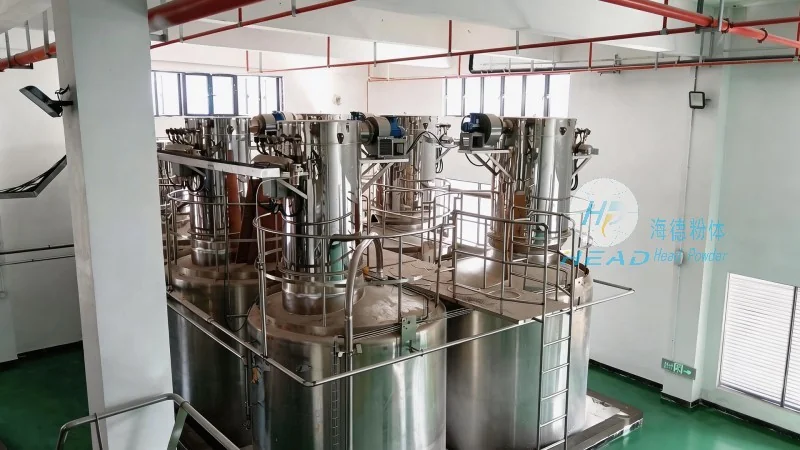
Understanding Bulk Bag Unloading Pneumatic Conveying Systems
Pneumatic conveying systems for bulk bag unloading operate by creating a flow of air or gas within a closed pipeline network. The process typically begins with the opening of the ton bag, where the material is drawn into the system using vacuum (in suction systems) or pushed by compressed air (in pressure systems). The design must account for the characteristics of the material being handled, such as its density, flowability, and potential for caking or agglomeration. Proper system design ensures that the material is conveyed without excessive pressure drops or particle degradation, maintaining product integrity throughout the transfer process.
The Role of Pneumatic Conveying in Bulk Bag Material Handling
Bulk bag unloading is a critical step in many industrial processes, as it allows for the safe and efficient transfer of large quantities of material from the container to the next stage of production. Pneumatic conveying offers several advantages over traditional methods like manual shoveling or mechanical conveying, including reduced labor costs, improved workplace safety, and enhanced hygiene, which is particularly important in industries like food, pharmaceuticals, and chemicals. The system's ability to handle a wide range of materials, from fine powders to coarse granules, makes it a versatile solution for diverse applications.
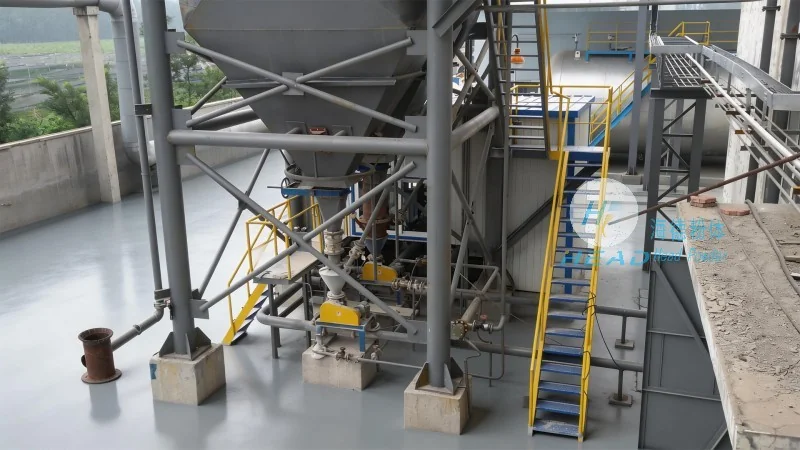
Key Design Principles for Efficient Pneumatic Conveying Systems
Designing an effective bulk bag unloading pneumatic conveying system requires a comprehensive approach that addresses several key principles. First, the selection of the appropriate conveying type—suction or pressure—is determined by factors such as the material's properties, the distance to be covered, and the available space. Suction systems are commonly used for short to medium distances and lighter materials, while pressure systems are better suited for longer distances or materials with higher density and flow resistance. The pipeline layout must be optimized to minimize pressure losses, with components like bends, elbows, and filters strategically placed to maintain consistent airflow and prevent blockages.
Another critical design consideration is the selection of the air source and its capacity. The compressor or vacuum pump must be sized to provide sufficient air volume and pressure to overcome the resistance of the material and the system components. The use of high-quality filters and moisture separators is essential to protect the system from contaminants that could cause wear or clogging. Additionally, the unloading equipment, such as the bag valve or discharge valve, must be designed to ensure smooth material flow and prevent spillage or material loss.
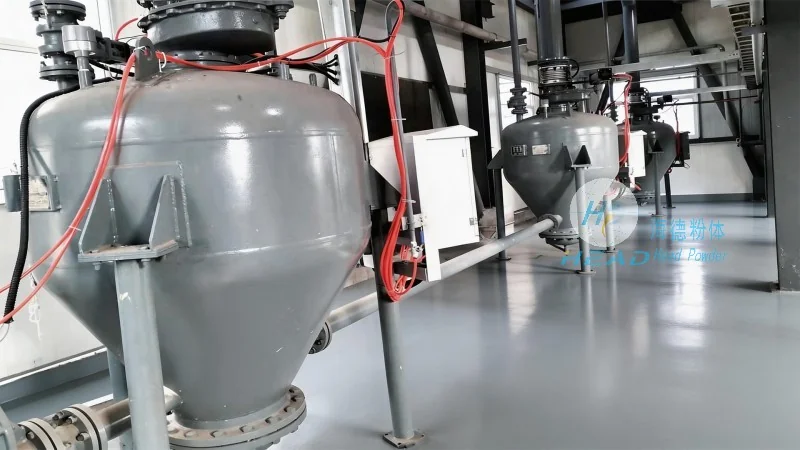
Company Overview: Shandong HeadPowder Engineering Co., Ltd.
Shandong HeadPowder Engineering Co., Ltd., commonly known as HeadPowder, is a leading provider of engineering solutions for bulk material handling. With its headquarters in Shandong, China, the company specializes in designing, manufacturing, and installing pneumatic conveying systems tailored to the needs of various industries. HeadPowder has extensive experience in the field, having worked with clients across sectors including chemical, food, pharmaceutical, and mining, helping them optimize their material handling processes and improve operational efficiency.
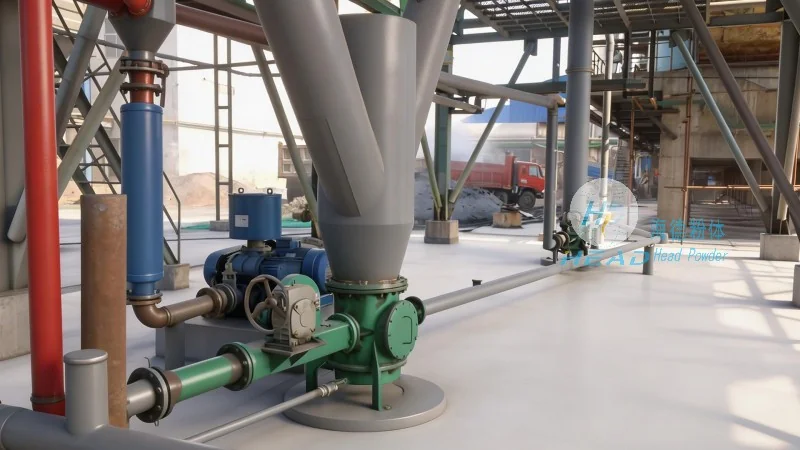
Technical Considerations in Pneumatic Conveying System Design
When designing a pneumatic conveying system for bulk bag unloading, engineers must consider several technical aspects to ensure reliable operation. The material's physical properties, such as particle size distribution, moisture content, and bulk density, directly impact the system's performance. For example, fine powders may require higher air velocities to prevent settling or clogging, while coarse granules can be conveyed at lower velocities with less risk of blockage. The system's pressure and flow rate must be carefully calibrated to match the material's characteristics and the required transfer rate. Furthermore, the system's components, including the air compressor, filters, and conveying lines, must be selected to withstand the operating conditions and the material's potential corrosive or abrasive effects.
Applications and Benefits of Bulk Bag Unloading Pneumatic Conveying
Bulk bag unloading pneumatic conveying systems are widely used in industries where large volumes of bulk materials are handled, such as chemical manufacturing, food processing, and pharmaceutical production. In chemical plants, these systems are used to transfer raw materials like powders and granules into reactors or storage tanks, ensuring a continuous and controlled supply of ingredients. In food processing facilities, the technology helps maintain high standards of hygiene and safety by minimizing direct human contact with the material and reducing the risk of contamination. The benefits of using pneumatic conveying for bulk bag unloading include increased throughput, reduced downtime, lower maintenance costs, and improved product quality due to minimized material degradation during transfer.