

[Corn Stalk Conveying Methods: Options and Applications]
When it comes to handling corn stalks, the choice of conveying method can significantly impact efficiency and operational costs. As a leading provider in the agricultural machinery sector, Shandong HeadPowder Engineering Co., Ltd. (often referred to as HeadPowder) offers a range of innovative solutions tailored to meet diverse agricultural needs. This article explores the various corn stalk conveying methods available, highlighting their applications and benefits.
Understanding the Importance of Efficient Corn Stalk Conveying
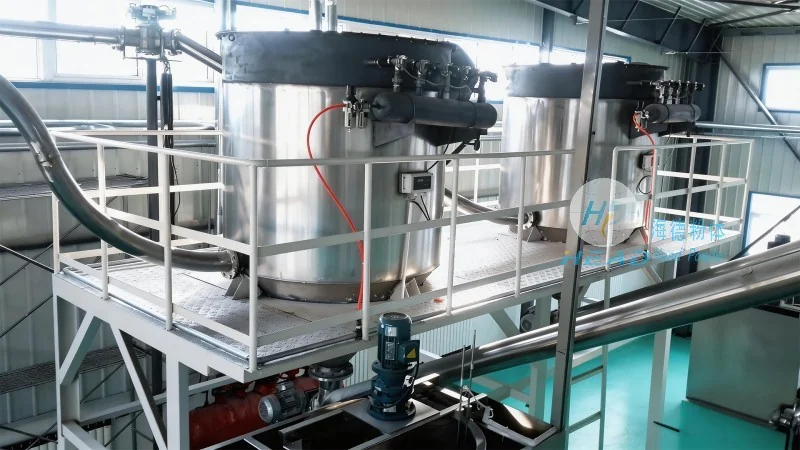
Efficient corn stalk conveying is crucial for modern agricultural operations, as it streamlines the process of collecting, transporting, and processing corn stalks. Whether for use as animal feed, biofuel, or other agricultural products, the ability to move these materials quickly and effectively is essential. Traditional methods often involve manual labor or basic mechanical systems, which can be time-consuming and less reliable. Advanced conveying systems, however, enhance productivity and reduce labor requirements, making them a preferred choice for many farmers and agricultural businesses.
Common Corn Stalk Conveying Methods
Several methods are commonly used for corn stalk conveying, each with its own advantages and applications. The selection of a method depends on factors such as the volume of material, the distance to be covered, and the specific end-use of the stalks. Below are some of the most widely adopted approaches:
1. Mechanical Conveyors
Mechanical conveyors are among the most traditional and widely used methods for corn stalk conveying. These systems typically employ belts, chains, or other mechanical components to move stalks from one location to another. Belt conveyors, for instance, are ideal for transporting large volumes of material over short to medium distances. They are often used in combines or other harvesting equipment to move stalks from the field to storage or processing facilities. Chain conveyors, on the other hand, are suitable for more rugged environments and can handle heavier loads, making them suitable for long-distance transport in some cases.
2. Pneumatic Conveying Systems
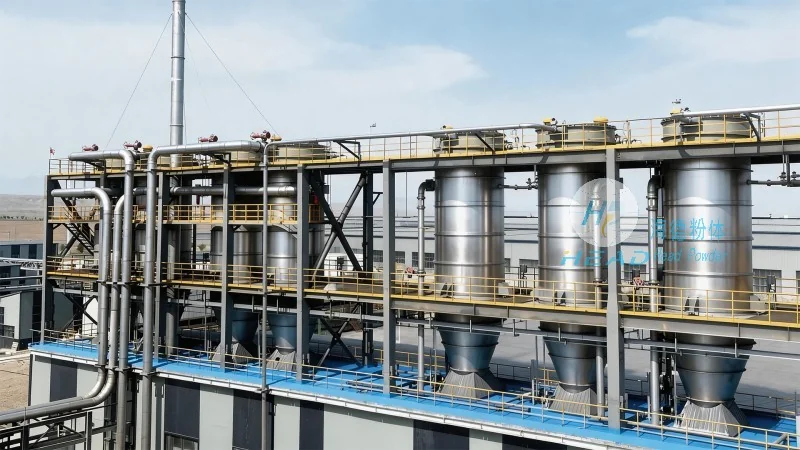
Pneumatic conveying, or air-based systems, use air pressure to transport corn stalks through a network of pipes. This method is particularly effective for moving material over longer distances and can handle both dry and slightly moist stalks. There are two main types of pneumatic systems: positive displacement and negative pressure. Positive displacement systems use a pump to force air and material through the pipes, while negative pressure systems create a vacuum to draw material into the system. Pneumatic conveying is often preferred for its ability to transport material without direct contact, reducing wear and tear on the material and the equipment.
3. Auger Conveyors
Auger conveyors, also known as screw conveyors, use a rotating screw to move corn stalks through a tube or trough. This method is well-suited for vertical or inclined transport and is commonly used in silos and storage facilities to move stalks from lower to higher levels. Auger conveyors are efficient for handling relatively dry and loose materials and can be integrated into various agricultural processing systems. They are particularly useful for transporting stalks to processing units or for feeding them into other equipment.
4. Hydraulic Conveying
Hydraulic conveying systems utilize fluid pressure to move corn stalks through a pipeline. This method is less common for corn stalks compared to other materials but can be effective in certain applications, such as transporting stalks in a slurry or mixed with other liquids. Hydraulic systems are often used in large-scale processing facilities where high volumes of material need to be moved with minimal energy consumption. They offer precise control over the flow rate and direction of the material, making them suitable for complex processing operations.
HeadPowder's Solutions for Corn Stalk Conveying
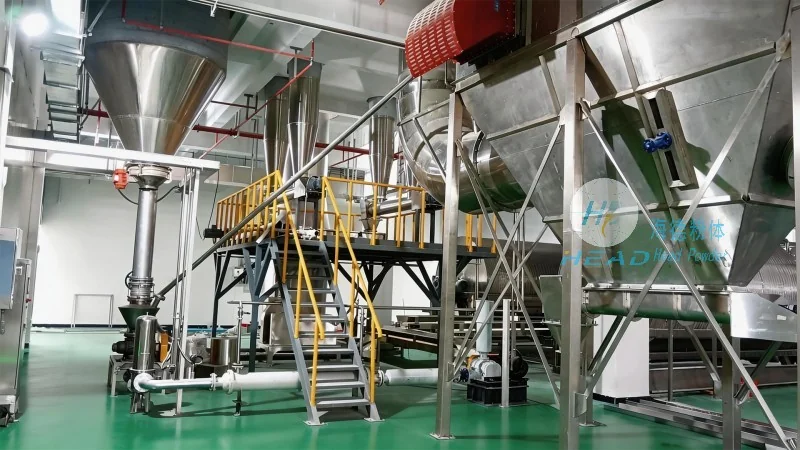
Shandong HeadPowder Engineering Co., Ltd. specializes in providing customized conveying solutions tailored to the specific needs of agricultural operations. With years of experience in the industry, HeadPowder understands the challenges faced by farmers and agricultural businesses when it comes to handling corn stalks. The company's products are designed to enhance efficiency, reduce costs, and improve overall operational performance. HeadPowder's range of mechanical, pneumatic, and other conveying systems is engineered to meet the demands of modern agriculture, ensuring reliable and consistent performance.
Key Features of HeadPowder Conveying Systems
HeadPowder's conveying systems are equipped with several key features that set them apart from competitors. These include robust construction to withstand the rigors of agricultural environments, advanced control systems for precise operation, and energy-efficient designs to minimize operational costs. The company's products are also designed for easy maintenance and repair, reducing downtime and increasing the overall lifespan of the equipment. Additionally, HeadPowder offers customization options to ensure that each system is tailored to the specific requirements of the customer, whether it's for short-distance transport or long-distance movement of corn stalks.
Conclusion
In conclusion, the choice of corn stalk conveying method plays a critical role in the efficiency and success of agricultural operations. From traditional mechanical systems to advanced pneumatic and hydraulic solutions, each method offers unique advantages and applications. Shandong HeadPowder Engineering Co., Ltd. provides a comprehensive range of conveying solutions that cater to diverse needs, ensuring that farmers and agricultural businesses can select the most suitable method for their operations. By investing in efficient conveying systems, agricultural operations can enhance productivity, reduce labor costs, and improve overall profitability.