

What is a Sawdust Granule Material Conveying Line? What Are Its Design Principles?
Understanding the Sawdust Granule Material Conveying Line and Its Design Principles
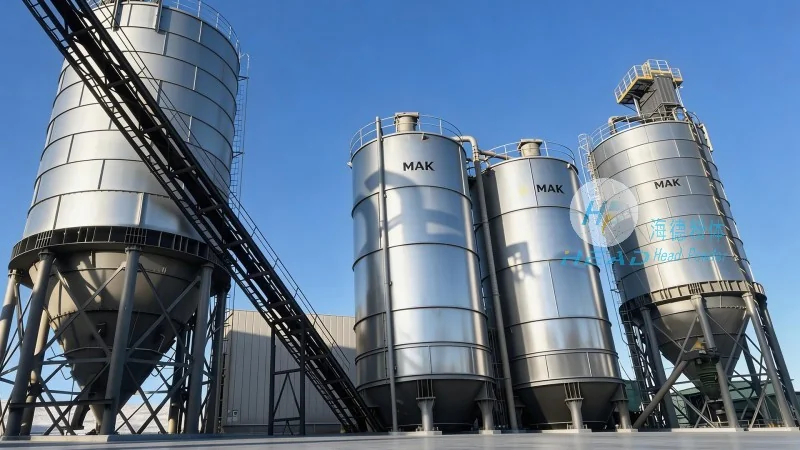
Introduction to Sawdust Granule Material Conveying Lines
A sawdust granule material conveying line is a specialized system engineered to transport granular materials, such as sawdust, efficiently from one location to another. This type of conveying system is widely used in industries like woodworking, paper manufacturing, and biomass energy production, where the handling of fine, dry granular materials is essential for operational processes. The core function of these lines is to move sawdust or similar granules with minimal loss, ensuring consistent flow and maintaining the material's quality throughout the conveying process.
About HeadPowder: A Leading Provider of Material Handling Solutions
HeadPowder, a division of Shandong HeadPowder Engineering Co., Ltd., is a professional manufacturer and supplier of advanced material conveying equipment. With a focus on innovation and precision engineering, HeadPowder specializes in designing and manufacturing conveying lines tailored to the unique needs of various industries. The company is headquartered in Shandong, China, and has built a reputation for delivering high-quality, reliable, and efficient material handling solutions that meet international standards. HeadPowder's commitment to customer satisfaction and technological advancement has made it a trusted partner for businesses seeking to optimize their material transport processes.
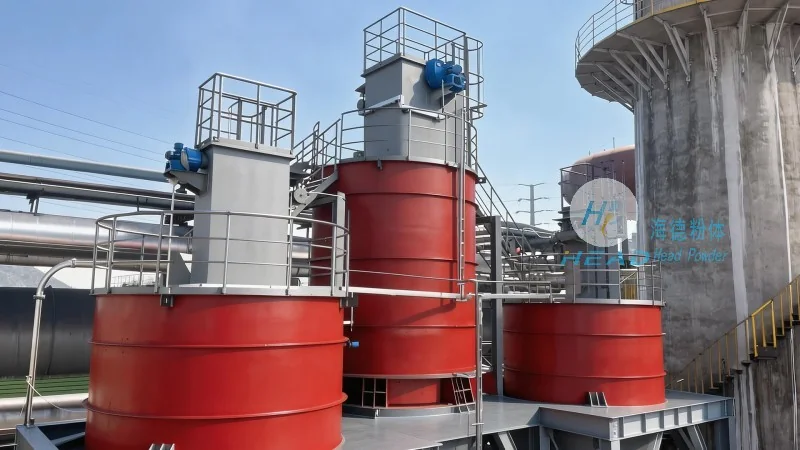
Design Principles of Sawdust Granule Material Conveying Lines
The design of a sawdust granule material conveying line is based on several key principles to ensure optimal performance, efficiency, and durability. These principles include: material characteristics analysis, system layout optimization, and component selection tailored to the specific application. First, the material characteristics—such as particle size, moisture content, and bulk density—are carefully analyzed to determine the most suitable conveying method and equipment. For sawdust, which is typically fine and dry, pneumatic conveying systems are often preferred due to their ability to handle fine particles without clogging. Second, the system layout is optimized to minimize energy consumption and maximize throughput. This involves selecting the appropriate length and inclination of the conveying line, as well as the number and placement of components like hoppers, feeders, and ducts. Third, component selection is critical, as each part must be designed to withstand the specific stresses and conditions of the material being conveyed. For example, the use of high-quality, corrosion-resistant materials for the ductwork and components ensures long-term reliability, while the selection of efficient motors and drives minimizes energy costs.
Key Components and Their Functions in a Sawdust Granule Conveying Line
A sawdust granule material conveying line typically consists of several key components, each playing a crucial role in the overall operation. The main components include: the hopper, the feeder, the conveying duct, the air compressor or blower, and the control system. The hopper is the first component, responsible for storing and feeding the sawdust into the system. It is designed with a sloped bottom to facilitate the smooth discharge of material into the feeder. The feeder, often a rotary valve or a screw feeder, regulates the flow rate of the sawdust into the conveying duct. This component ensures a consistent and controlled flow, preventing overloading or underloading of the system. The conveying duct is the main pathway for the material, usually made of metal or plastic, and is designed to withstand the pressure and friction of the material being transported. The air compressor or blower generates the airflow necessary to move the sawdust through the duct. The airflow is directed through the duct, carrying the sawdust particles along with it. The control system monitors and regulates the operation of the entire line, ensuring that the flow rate, pressure, and other parameters remain within optimal ranges. This system may include sensors, valves, and a control panel to provide real-time feedback and adjust the operation as needed.
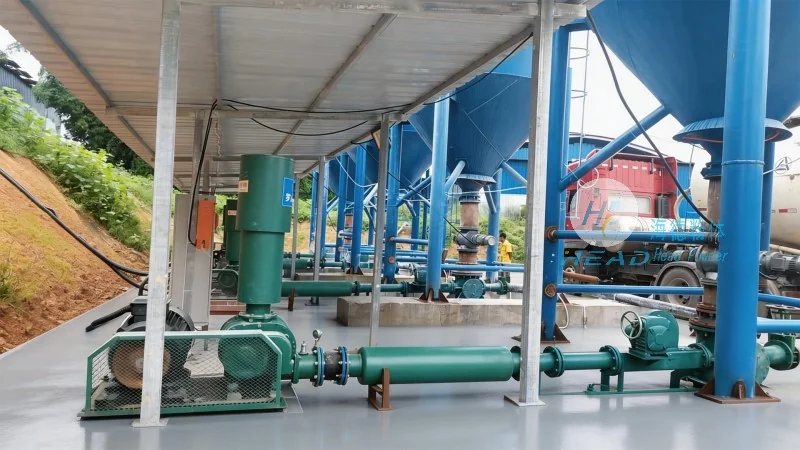
Advantages of Using a Sawdust Granule Material Conveying Line
Implementing a sawdust granule material conveying line offers numerous advantages for businesses in the woodworking and biomass industries. One of the primary benefits is the improved efficiency in material handling. By automating the transport of sawdust, companies can reduce labor costs and increase production throughput. The system also minimizes material loss, as the enclosed design prevents dust from escaping and being wasted. This not only reduces operational costs but also improves workplace safety by containing dust and preventing respiratory hazards. Additionally, the consistent flow of material ensures that downstream processes, such as pelletizing or combustion, operate smoothly and efficiently. The design of the conveying line also allows for easy integration with other equipment, such as storage silos or processing machines, creating a seamless material flow from source to destination. Furthermore, the use of advanced materials and components in the construction of the line ensures long-term durability and low maintenance costs, making it a cost-effective solution for long-term material handling needs.
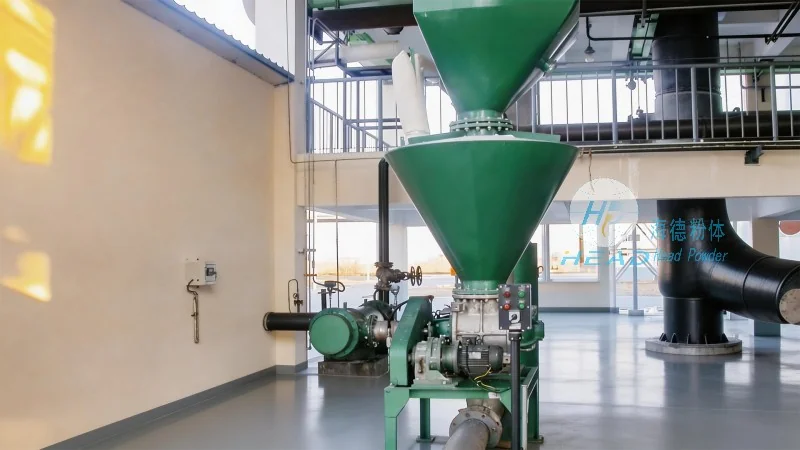
Applications of Sawdust Granule Material Conveying Lines
Sawdust granule material conveying lines are used in a variety of applications across different industries. In the woodworking industry, these lines are commonly used to transport sawdust from sawmills to storage silos or to processing facilities where it is used for making wood pellets or other wood-based products. The consistent and efficient transport of sawdust ensures that the production process remains uninterrupted, allowing for high-volume production. In the paper manufacturing industry, sawdust is used as a raw material for making paper pulp, and the conveying line helps in transporting the granules from the storage area to the pulping machines. This ensures a steady supply of raw material, improving the overall efficiency of the paper production process. In the biomass energy sector, sawdust is used as a fuel source for power generation, and the conveying line is used to transport the granules from the storage area to the combustion chambers of the power plants. The efficient transport of sawdust ensures that the power plants operate at optimal capacity, generating clean energy from renewable sources. Additionally, these conveying lines are used in other industries, such as agriculture and construction, where granular materials are handled and transported. The versatility of the sawdust granule material conveying line makes it a valuable asset for businesses seeking to optimize their material handling processes.
Conclusion: The Importance of a Well-Designed Sawdust Granule Material Conveying Line
In conclusion, a sawdust granule material conveying line is a critical component in the efficient operation of industries that handle fine, dry granular materials. The design principles and components of these lines are carefully engineered to ensure optimal performance, reliability, and efficiency. By understanding the key aspects of a sawdust granule material conveying line, businesses can make informed decisions about implementing such systems to improve their material handling processes. HeadPowder, with its expertise in material conveying equipment, offers high-quality solutions that meet the specific needs of various industries, helping businesses achieve their operational goals and enhance their productivity. The investment in a well-designed sawdust granule material conveying line is a strategic move that can lead to long-term benefits, including reduced costs, increased efficiency, and improved workplace safety.