

What is Broad Bean Powder Conveying Equipment and Its Design Principles?
For those in the food processing industry, particularly those dealing with broad bean powder, understanding the equipment used for handling and transporting this fine powder is crucial. Broad bean powder conveying equipment is a specialized system designed to efficiently move broad bean powder from one location to another within a processing facility. This equipment is essential for maintaining product quality, ensuring safety, and optimizing production workflows. In this article, we will explore what broad bean powder conveying equipment is and delve into the core design principles that make these systems effective.
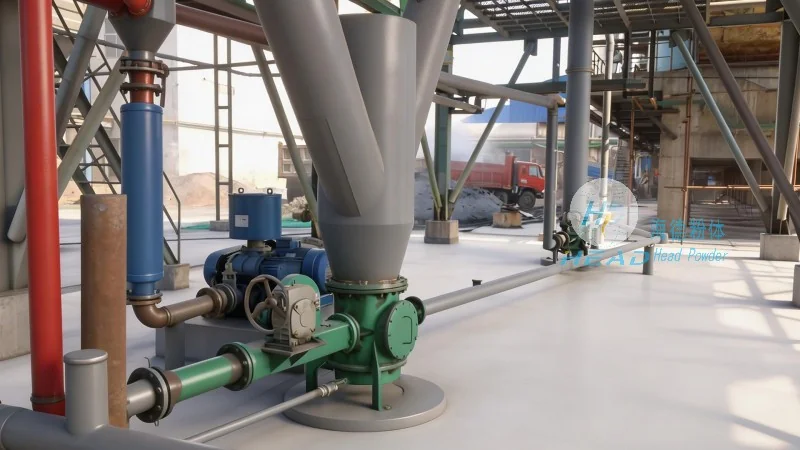
Understanding Broad Bean Powder Conveying Equipment
Broad bean powder conveying equipment refers to a range of machinery and systems engineered to transport broad bean powder, a fine and often cohesive powder, through a processing environment. These systems are typically used in food processing plants, agricultural processing facilities, and industrial settings where broad bean powder is a key ingredient or product. The equipment is designed to handle the unique properties of broad bean powder, such as its fine particle size, potential for caking, and hygroscopic nature, ensuring that the powder is moved without degradation or loss of quality.
Key Components of Broad Bean Powder Conveying Systems
At the heart of any broad bean powder conveying system are several key components that work in tandem to ensure efficient and reliable operation. These components include feeders, conveyors, control systems, and sometimes auxiliary equipment like dust collectors or filters. Each component plays a critical role in the overall functionality of the system.
Feeders are the initial stage of the conveying process, responsible for accurately metering and feeding the broad bean powder into the conveyor. They are designed to handle the flow characteristics of the powder, ensuring a consistent and controlled feed rate. Common types of feeders used in broad bean powder conveying include screw feeders, vibratory feeders, and rotary valves, each chosen based on the specific properties of the powder and the requirements of the application.
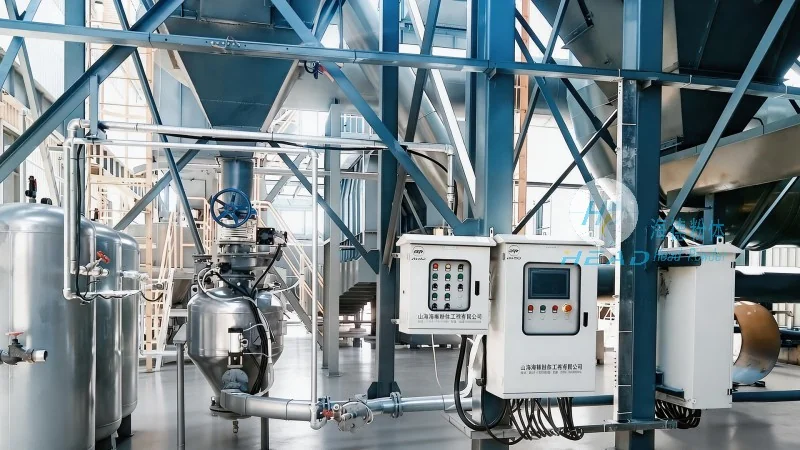
Conveyors are the primary means of transporting the broad bean powder through the system. They come in various forms, including pneumatic conveyors, belt conveyors, and bucket elevators, each suited to different operational needs and powder characteristics. Pneumatic conveyors, for instance, use air pressure to move the powder through a pipeline, which is ideal for fine powders like broad bean powder as it minimizes product degradation and contamination. Belt conveyors, on the other hand, are often used for bulkier or less cohesive powders but can also be adapted for fine powders with appropriate modifications.
Control systems are integral to modern broad bean powder conveying equipment, providing automation and monitoring capabilities. These systems allow operators to adjust parameters such as feed rate, conveyor speed, and pressure in real-time, ensuring optimal performance and preventing issues like overloading or underflow. Advanced control systems may also include sensors for detecting powder levels, flow rates, and potential blockages, enhancing the safety and efficiency of the operation.
Design Principles for Efficient Broad Bean Powder Conveying
The design of broad bean powder conveying equipment is guided by several key principles aimed at maximizing efficiency, reliability, and product integrity. These principles address the unique challenges posed by fine powders and ensure that the equipment can handle the material without causing issues such as caking, agglomeration, or dust generation.
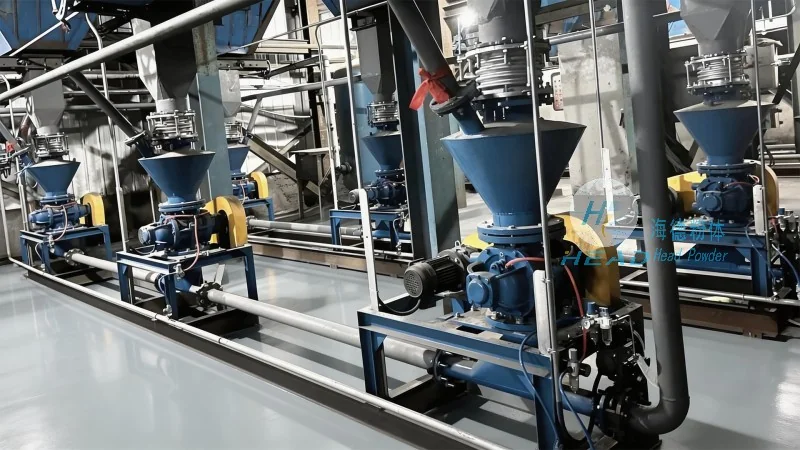
One of the fundamental design principles is the minimization of friction and pressure points within the system. Broad bean powder is prone to caking, especially when exposed to moisture or high pressure. Therefore, equipment designers focus on smooth surfaces and gentle handling mechanisms to prevent the powder from sticking together. This includes using materials with low surface energy and avoiding sharp edges or corners that could cause abrasion or damage to the powder particles.
Another critical design principle is the control of air flow and pressure in pneumatic conveying systems. Proper air flow management is essential to ensure that the powder is suspended and transported efficiently without causing excessive pressure drops or particle separation. The design of the conveying lines, including the diameter and length, is carefully calculated to maintain optimal air-to-powder ratios, which directly impacts the system's efficiency and energy consumption.
Sanitation and hygiene are also paramount in the design of broad bean powder conveying equipment, particularly in food processing applications. The equipment is typically constructed from stainless steel and other food-grade materials to meet regulatory standards and ensure that the powder remains free from contaminants. Easy-to-clean surfaces and components are incorporated into the design to facilitate regular cleaning and maintenance, which is crucial for maintaining product quality and compliance with food safety regulations.
Benefits of Using Advanced Broad Bean Powder Conveying Equipment
Investing in advanced broad bean powder conveying equipment offers numerous benefits for food processing operations. These systems enhance productivity by enabling faster and more reliable transport of broad bean powder, reducing downtime and increasing overall throughput. By minimizing product degradation and loss, the equipment helps maintain the quality and consistency of the final product, which is essential for meeting customer expectations and regulatory requirements.
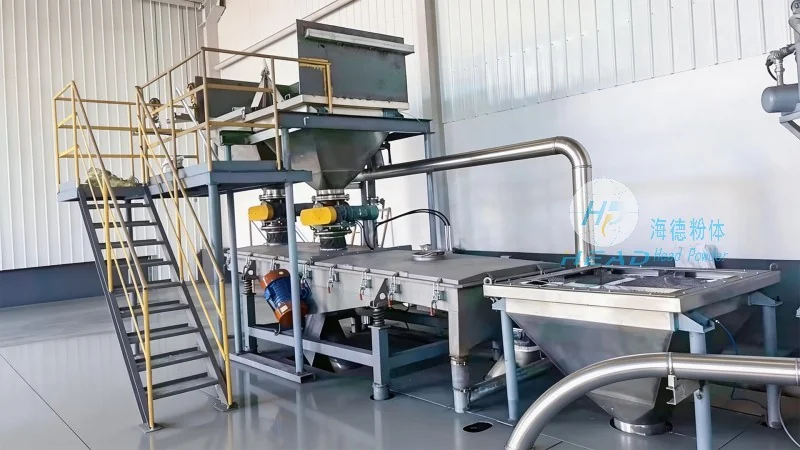
Additionally, modern conveying systems improve safety in the workplace by reducing the need for manual handling of fine powders, which can pose respiratory and other health risks. The enclosed and automated nature of these systems minimizes exposure to dust and ensures that the powder is handled in a controlled environment. This not only protects the health of workers but also helps maintain a clean and safe working environment.
From an operational standpoint, advanced conveying equipment can lead to significant cost savings. By optimizing the flow of broad bean powder and reducing energy consumption through efficient design, companies can lower their operational costs over time. The reduction in maintenance needs due to robust construction and easy-to-clean components also contributes to long-term cost savings.
Conclusion
Broad bean powder conveying equipment is a vital component of modern food processing and agricultural operations, designed to efficiently handle the unique challenges of transporting fine, cohesive powders. The design principles behind these systems, including gentle handling, controlled air flow, and hygienic construction, ensure that the powder is moved with minimal degradation and maximum efficiency. Companies like Shandong HeadPowder Engineering Co., Ltd., based in China, specialize in providing such equipment, leveraging their expertise to deliver solutions tailored to the specific needs of their clients. By understanding and implementing these design principles, food processing facilities can enhance their operational efficiency, product quality, and overall safety.