

What is Glass Bead Powder Conveying? What Are Its Design Principles?
Understanding the fundamentals of glass bead powder conveying is crucial for industries that rely on efficient material handling. This article delves into the core concepts of glass bead powder conveying systems, exploring their design principles and the key factors that contribute to their effectiveness. By examining the technical aspects and practical applications, we aim to provide a comprehensive overview for professionals seeking to optimize their material transport processes. Shandong HeadPowder Engineering Co., Ltd. specializes in designing and implementing advanced glass bead powder conveying systems, leveraging years of experience in material handling technology.
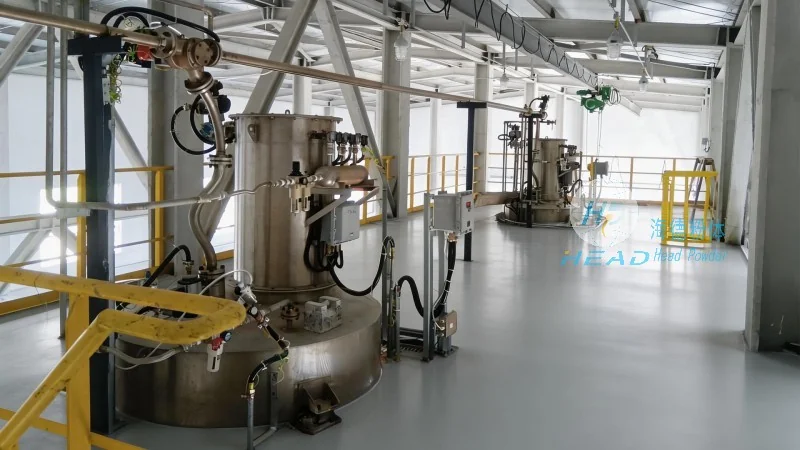
Introduction to Glass Bead Powder Conveying
Glass bead powder conveying refers to the process of transporting fine glass bead powders through various systems, typically using pneumatic or mechanical methods. These powders, often used in coatings, adhesives, and other industrial applications, require specialized handling due to their fine particle size and potential for dust generation. The design of a glass bead powder conveying system must address challenges such as particle segregation, air flow management, and system efficiency to ensure reliable operation.
Key Components of Glass Bead Powder Conveying Systems
Effective glass bead powder conveying systems typically consist of several critical components. These include a material feed hopper, which holds the glass bead powder and regulates the flow into the system; a conveying line, which may be pneumatic (using air pressure) or mechanical (using screws or belts); and a collection or discharge unit, which directs the powder to its final destination. Each component plays a vital role in maintaining the integrity of the glass bead particles and ensuring smooth transport.
Design Principles for Efficient Glass Bead Powder Conveying
The design principles of glass bead powder conveying systems are centered on optimizing air flow, particle handling, and system durability. One of the primary design considerations is the selection of appropriate air velocities and pressure differentials to prevent particle segregation and ensure uniform transport. Engineers must also account for the physical properties of glass beads, such as their density, size distribution, and surface characteristics, to tailor the system's design for optimal performance.
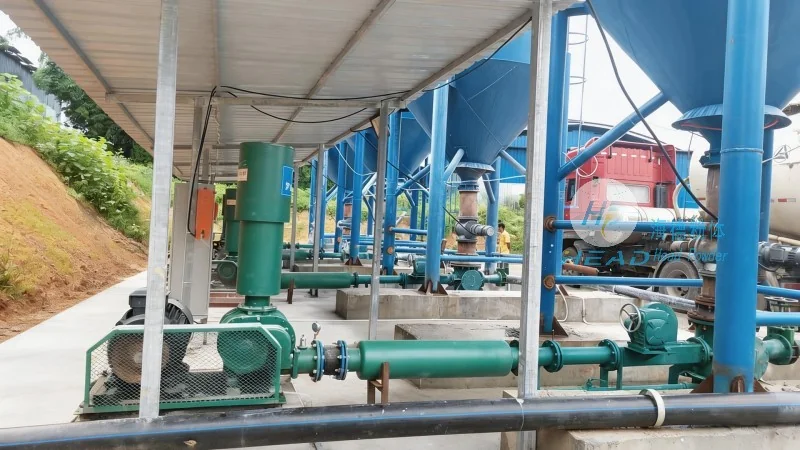
Pneumatic Conveying Systems: A Common Approach
Pneumatic conveying is a widely used method for glass bead powder transport, particularly in applications where long-distance or high-volume transport is required. In this system, air is used to create a flow that carries the glass beads through a pipeline. The design of pneumatic systems involves careful consideration of air pressure, flow rate, and pipeline diameter to maintain consistent particle suspension and prevent blockages. Additionally, features like cyclone separators and filters are often integrated to separate the powder from the air stream and ensure clean operation.
Mechanical Conveying Systems: Alternative Solutions
For certain applications, mechanical conveying systems may be preferred over pneumatic methods. These systems utilize mechanical components, such as screws, belts, or vibrating conveyors, to move glass bead powders. The design of mechanical systems focuses on minimizing particle degradation and ensuring consistent flow rates. While mechanical conveyors may be less flexible than pneumatic systems, they offer advantages in terms of lower air consumption and reduced dust generation, making them suitable for specific industrial environments.
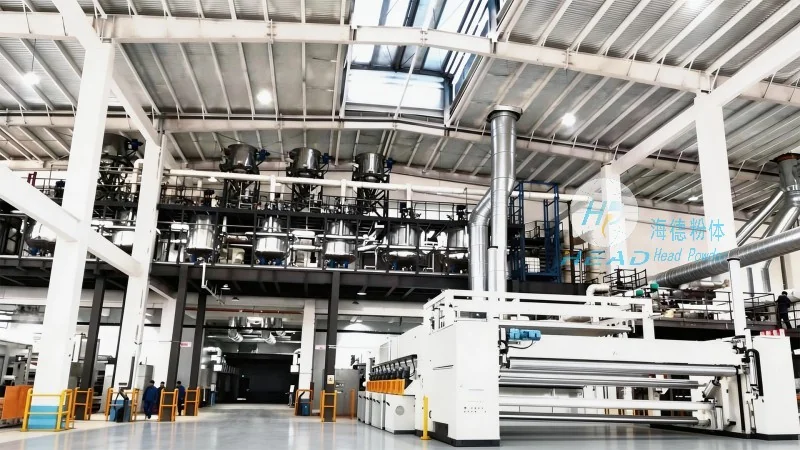
Factors Influencing Glass Bead Powder Conveying Performance
Several factors influence the performance of glass bead powder conveying systems. Particle size and shape are critical, as finer particles may require higher air velocities to prevent settling. The moisture content of the glass beads can also affect system performance, as moisture can lead to clumping or increased friction within the conveying line. Additionally, the system's layout, including the number of bends and vertical lifts, must be optimized to minimize energy consumption and maintain particle integrity.
Applications of Glass Bead Powder Conveying
Glass bead powder conveying systems are utilized in a variety of industries, including automotive, construction, and manufacturing. In the automotive industry, glass beads are used in paint and coating applications, where efficient transport is essential to maintain product quality. In construction, glass beads are incorporated into sealants and adhesives, requiring reliable conveying to ensure consistent product formulation. By understanding the design principles and components of these systems, manufacturers can enhance their production processes and meet the demands of modern industrial applications.
Conclusion: Optimizing Glass Bead Powder Conveying
Efficient glass bead powder conveying is a cornerstone of modern material handling, and its design principles are critical to achieving optimal performance. By carefully considering the components, air flow, and particle properties, engineers can develop systems that minimize downtime, reduce maintenance costs, and ensure consistent product quality. For industries relying on glass bead powders, investing in well-designed conveying systems is essential to maintain competitiveness and meet the evolving demands of their markets. Shandong HeadPowder Engineering Co., Ltd. continues to advance the technology with innovative solutions tailored to the unique needs of each client, ensuring reliable and efficient glass bead powder transport across diverse industrial applications.