

What is Lightweight Cement Powder Conveying? What are the Design Principles?
Lightweight cement powder conveying is a specialized process used in the construction and industrial sectors to transport cement and related powders efficiently. This method is particularly important for projects involving large volumes of cement, where traditional conveying systems may face challenges such as high energy consumption, material degradation, or operational inefficiencies. Understanding the principles behind this technology is crucial for engineers and project managers aiming to optimize material handling in modern construction and manufacturing environments.
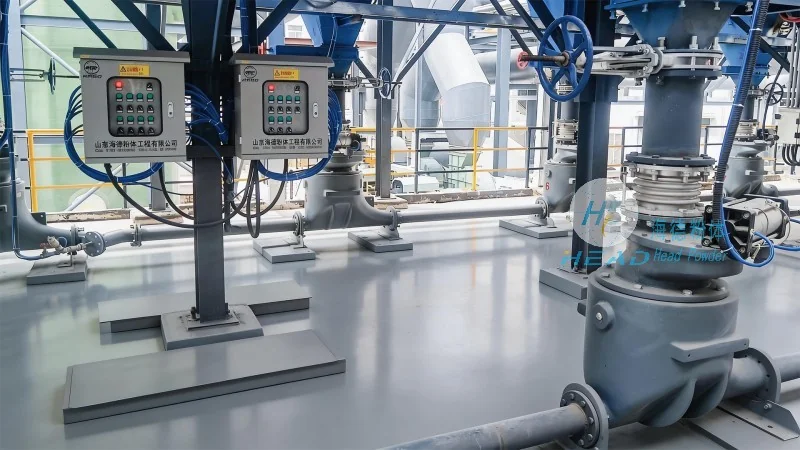
Understanding Lightweight Cement Powder Conveying
At its core, lightweight cement powder conveying involves the movement of cement and other fine powders using systems designed to minimize energy use and maintain material integrity. Unlike conventional pneumatic or mechanical conveying systems, lightweight solutions often incorporate advanced materials and aerodynamic designs to reduce the overall weight and energy requirements while ensuring consistent flow rates. The primary goal is to achieve reliable, low-cost, and environmentally friendly transport of cement, which is essential for sustainable construction practices.
The Design Principles of Lightweight Cement Powder Conveying Systems
Designing an effective lightweight cement powder conveying system requires careful consideration of several key principles. First, the system must be optimized for energy efficiency, as cement is a high-volume material that contributes significantly to operational costs. Engineers typically use low-pressure air or vacuum systems, combined with specialized ductwork and components, to minimize energy consumption without compromising conveying capacity. Second, material compatibility is critical; the conveying equipment must be resistant to the chemical properties of cement, which can be abrasive and corrosive over time. This often involves using corrosion-resistant materials like stainless steel or specialized coatings on metal components. Third, the system must ensure minimal product degradation. High-speed or turbulent flow can cause agglomeration or dust formation, which reduces material quality and increases maintenance needs. Therefore, designers focus on smooth, low-velocity flow paths and proper air-to-material ratios to maintain the powder's integrity throughout the conveying process.
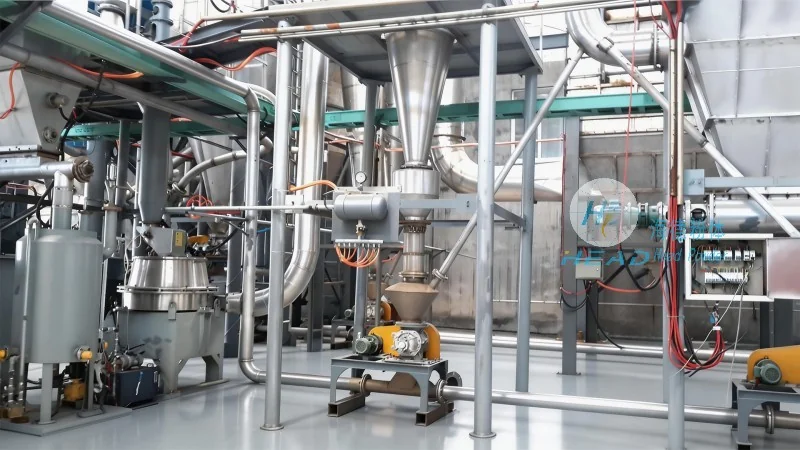
HeadPowder: Expert in Lightweight Cement Powder Conveying Solutions
Shandong HeadPowder Engineering Co., Ltd. is a leading provider of advanced lightweight cement powder conveying systems, dedicated to enhancing the efficiency and sustainability of cement handling in construction projects. With years of experience in the industry, HeadPowder combines innovative engineering with practical application knowledge to deliver customized solutions tailored to specific project requirements. The company's approach focuses on reducing energy consumption, improving material flow reliability, and ensuring long-term operational efficiency, all while adhering to industry standards and environmental regulations.
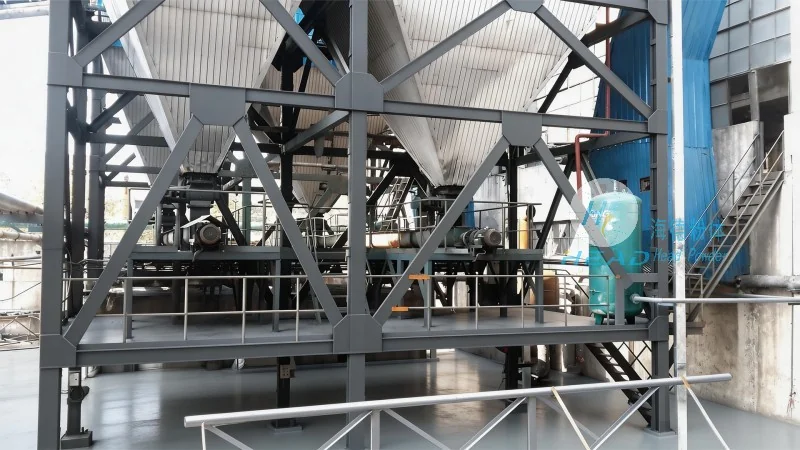
Key Features of HeadPowder's Lightweight Conveying Systems
HeadPowder's lightweight cement powder conveying systems are engineered with several distinctive features that set them apart in the market. One of the primary advantages is the use of advanced aerodynamic ductwork, which reduces pressure drops and energy usage compared to traditional systems. This is achieved through optimized duct shapes and smooth internal surfaces that minimize friction and turbulence. Additionally, the systems incorporate intelligent control mechanisms that adjust air flow and pressure in real-time, ensuring consistent conveying rates even with varying material loads. Another key feature is the integration of dust collection and filtration systems, which not only improves air quality but also prevents material loss and contamination. These systems are designed to be compact and easy to install, making them suitable for both new construction projects and retrofit applications in existing facilities.
Applications and Benefits in Construction and Industry
Lightweight cement powder conveying systems from HeadPowder are widely used in various applications across the construction and industrial sectors. In large-scale construction projects, such as high-rise buildings, infrastructure development, and concrete production facilities, these systems enable efficient transport of cement from storage silos to mixing sites or production lines. The benefits of using lightweight conveying include reduced operational costs, lower carbon emissions, and improved productivity due to consistent material flow. For industrial applications, such as cement manufacturing plants or precast concrete producers, the systems enhance process reliability and reduce downtime caused by material blockages or system failures. By optimizing the conveying process, HeadPowder's solutions help clients achieve better control over their material handling operations, leading to higher overall efficiency and profitability.