

What is a Stearic Acid Sodium Pneumatic Conveying System Equipment? And What Are Its Design Principl
Stearic acid sodium, a widely used chemical compound in various industrial applications, often requires efficient and reliable transportation systems to ensure smooth production processes. The stearyl sodium pneumatic conveying system equipment is specifically designed to handle such materials with precision and effectiveness. This article will explore the fundamental aspects of this equipment, including its design principles and operational mechanisms.
Understanding the Stearic Acid Sodium Pneumatic Conveying System
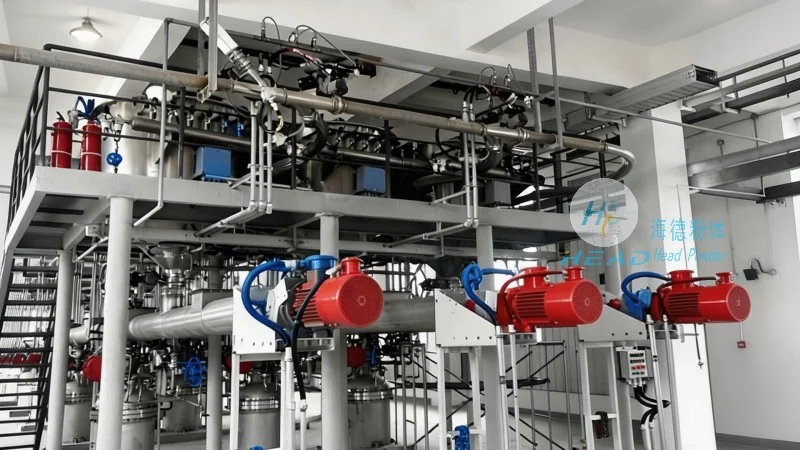
The stearyl sodium pneumatic conveying system is a sophisticated piece of industrial equipment engineered to transport powders and granules, such as stearyl sodium, through a pneumatic system. Unlike traditional mechanical conveyors, this system utilizes compressed air or other gases to move materials along a pipeline. The primary advantage of this approach lies in its ability to handle delicate or sensitive materials without causing degradation or contamination, which is crucial for stearyl sodium due to its chemical properties.
Key Components of the Pneumatic Conveying System
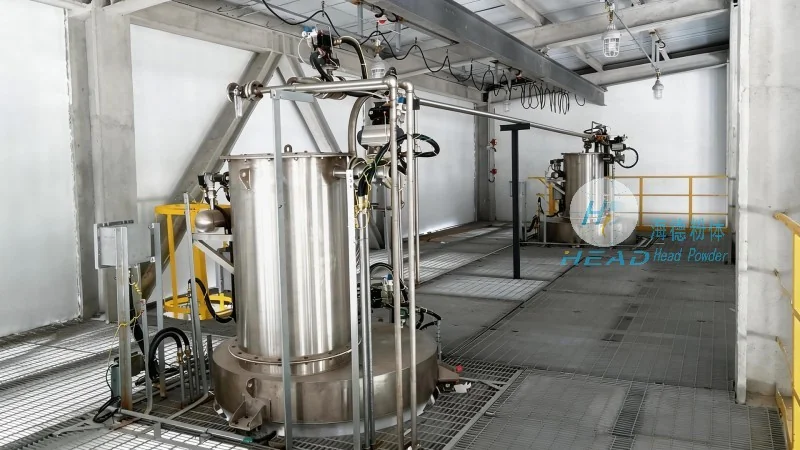
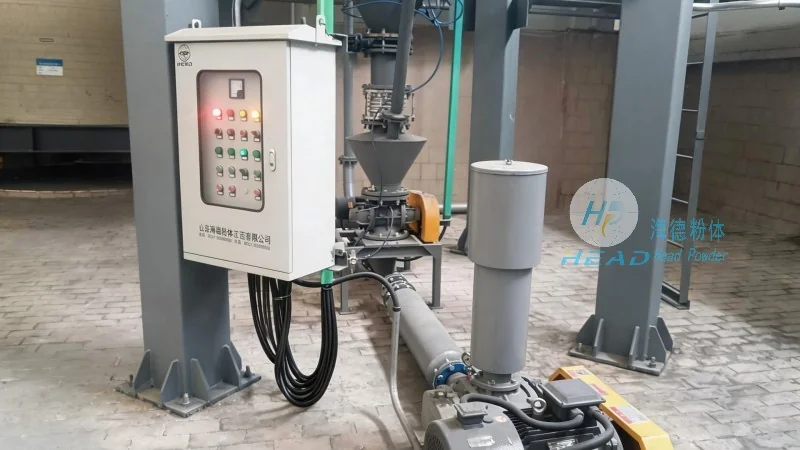
The stearyl sodium pneumatic conveying system consists of several critical components that work in tandem to ensure efficient material transport. These components include the material hopper, which serves as the storage and feeding unit; the air compressor or blower, responsible for generating the necessary airflow; the conveying pipeline, which transports the material and air mixture; and the control system, which regulates the operation and ensures safety. Each component plays a vital role in maintaining the system's performance and reliability.
Design Principles Behind the System
The design of the stearyl sodium pneumatic conveying system is based on several key principles aimed at optimizing material handling and operational efficiency. One of the core principles is the use of appropriate air velocity to achieve the desired conveying rate without causing excessive pressure drops or material degradation. Engineers must carefully calculate the air velocity and pressure to ensure that the material is carried smoothly without clogging or particle breakage. Another critical principle is the selection of suitable pipeline materials and diameters, which directly impacts the system's efficiency and maintenance requirements. The system is also designed with safety features, such as pressure relief valves and emergency shut-off mechanisms, to prevent accidents and protect personnel.
Operational Mechanisms and Process Flow
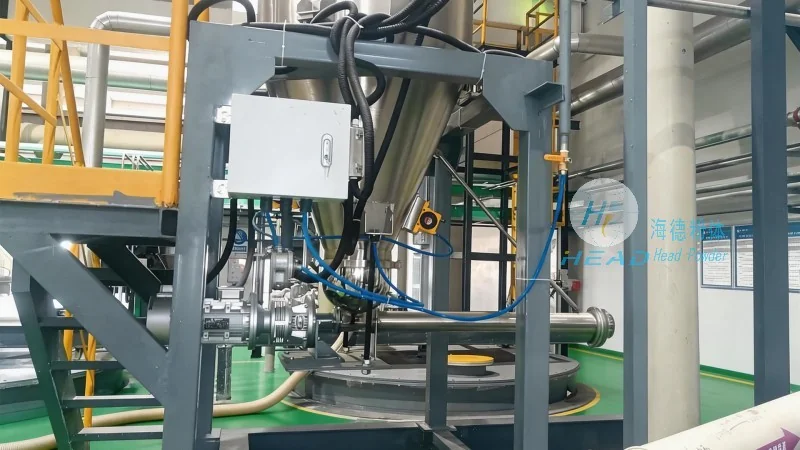
The operation of the stearyl sodium pneumatic conveying system follows a systematic process. Initially, the material is fed from the hopper into the conveying pipeline. Simultaneously, the air compressor generates compressed air, which is introduced into the pipeline at a controlled rate. The air and material mixture then travels through the pipeline to the destination point, such as a storage silo or processing unit. The system's control system monitors the pressure, flow rate, and material level, adjusting the air supply as needed to maintain optimal operation. This continuous process ensures that stearyl sodium is transported efficiently and safely, minimizing downtime and operational costs.
Advantages of Using a Pneumatic Conveying System for Stearic Acid Sodium
Implementing a stearyl sodium pneumatic conveying system offers numerous advantages over traditional conveying methods. Firstly, it provides a dust-free and clean operation, which is essential for maintaining product quality and compliance with environmental regulations. Secondly, the system is highly flexible, allowing for easy reconfiguration and expansion as production needs change. Thirdly, it reduces labor costs by automating the material handling process and minimizing the need for manual intervention. Additionally, the system is capable of handling a wide range of material sizes and flow rates, making it suitable for various industrial applications.
Applications and Industries Utilizing Stearic Acid Sodium Pneumatic Conveying Systems
The stearyl sodium pneumatic conveying system is widely used in several industries that rely on this chemical compound. In the food and beverage industry, stearyl sodium is used as an emulsifier and stabilizer, and the conveying system ensures that it is transported safely and hygienically. In the pharmaceutical industry, the system is used to handle stearyl sodium in the production of medications, where precision and contamination control are paramount. Similarly, in the cosmetics and personal care industry, the system is employed to transport stearyl sodium used in various formulations. These applications highlight the importance of efficient material handling in ensuring product quality and meeting industry standards.
Maintenance and Troubleshooting for Stearic Acid Sodium Pneumatic Conveying Systems
To ensure the long-term performance and reliability of the stearyl sodium pneumatic conveying system, regular maintenance is essential. This includes cleaning the hopper and pipeline to prevent material buildup and clogging, inspecting the air compressor and control system for wear and tear, and checking the pipeline for any signs of damage or leaks. Regular maintenance helps to extend the system's lifespan and reduce the risk of operational failures. In case of system issues, such as clogging or pressure drops, troubleshooting steps should be taken promptly. These may include adjusting the air flow rate, cleaning the material feed, or inspecting the pipeline for blockages. By following proper maintenance and troubleshooting procedures, operators can ensure that the system operates efficiently and safely.
About Shandong HeadPowder Engineering Co., Ltd.
Shandong HeadPowder Engineering Co., Ltd., commonly known as HeadPowder, is a leading manufacturer and supplier of industrial conveying systems, including the stearyl sodium pneumatic conveying equipment. The company is headquartered in Shandong, China, and has a strong reputation for delivering high-quality, reliable, and efficient solutions to its clients. HeadPowder specializes in customizing conveying systems to meet the specific needs of various industries, ensuring that clients receive tailored solutions that enhance their production processes. The company's commitment to quality, innovation, and customer satisfaction has made it a trusted partner in the industry.