

Exploring Desiccated Gypsum Conveying Methods: An Introduction to HeadPowder's Desiccated Gypsum Pneumatic Conveying Solutions
For industrial applications that involve handling desiccated gypsum, selecting the right conveying method is crucial for maintaining efficiency, product quality, and operational safety. Desiccated gypsum, a common byproduct in the gypsum processing industry, requires specialized equipment to transport it from processing units to storage or further processing stages. This article explores various desiccated gypsum conveying methods, with a focus on the advanced pneumatic conveying solutions offered by Shandong HeadPowder Engineering Co., Ltd., commonly known as HeadPowder.
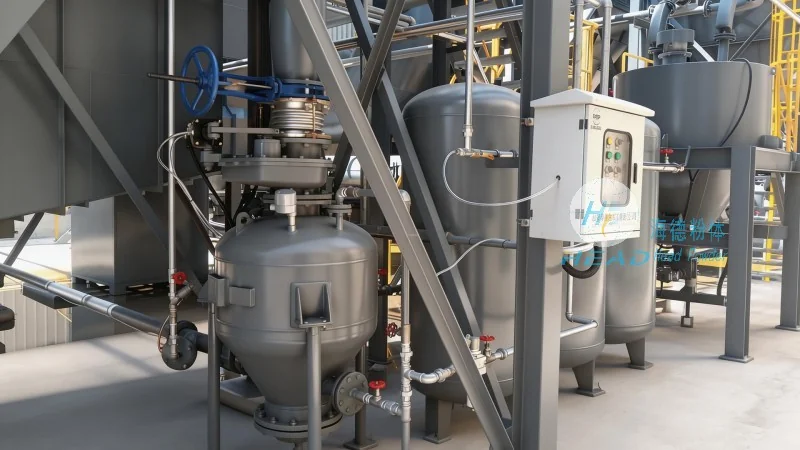
Traditional Conveying Methods and Their Limitations
Historically, desiccated gypsum has been transported using gravity-based systems, such as chutes and hoppers, which rely on the material's density and angle of repose to move it downward. While these methods are simple and low-cost, they have significant drawbacks. For instance, gravity conveyors are limited by the vertical and horizontal distance between the source and destination, and they often require multiple transfer points, increasing the risk of material degradation and contamination. Mechanical conveyors, including belt conveyors and screw conveyors, are another option. However, these systems may cause excessive friction and heat generation, which can affect the gypsum's moisture content and quality. Moreover, mechanical systems are prone to maintenance issues, such as belt wear and motor failures, leading to downtime and increased operational costs.
Pneumatic Conveying: The Superior Choice for Desiccated Gypsum
Given the challenges associated with traditional methods, pneumatic conveying has emerged as the preferred solution for transporting desiccated gypsum. Pneumatic systems use compressed air to move material through a pipeline, offering several advantages over mechanical or gravity-based alternatives. One of the key benefits is the ability to transport material over long distances and vertical elevations without the need for multiple transfer points. This reduces the risk of material breakage and contamination, as the material remains enclosed within the pipeline. Additionally, pneumatic conveying is highly flexible, allowing for changes in the conveying route or destination without major modifications to the system. The system can also handle varying material flow rates, making it suitable for both small-scale and large-scale operations.
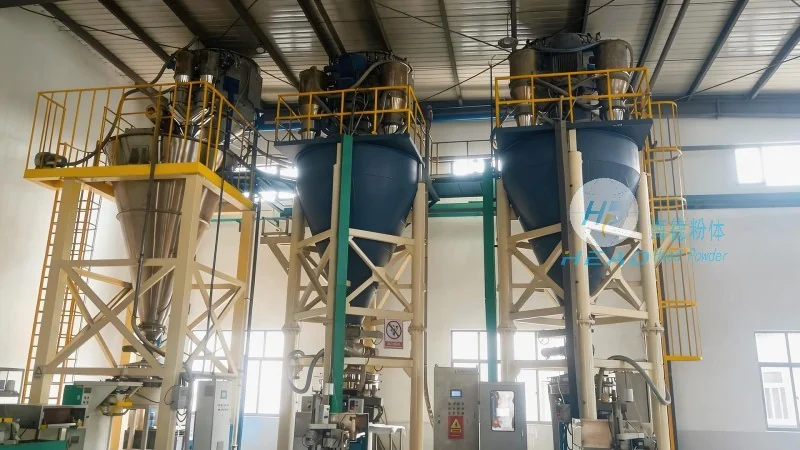
HeadPowder's Desiccated Gypsum Pneumatic Conveying System: Key Features and Benefits
Shandong HeadPowder Engineering Co., Ltd. specializes in designing and manufacturing advanced pneumatic conveying systems tailored to the unique needs of desiccated gypsum. The company's solutions are engineered to ensure efficient, reliable, and safe transportation of gypsum, addressing the challenges faced by traditional methods. A core feature of HeadPowder's system is the use of high-quality materials for the pipeline and components, which are resistant to corrosion and wear caused by the gypsum's abrasive nature. The system incorporates advanced control technologies, such as variable frequency drives (VFDs) and pressure sensors, to optimize air flow and maintain consistent conveying performance. This ensures that the material is transported at the desired velocity, minimizing the risk of blockages or material degradation. Furthermore, the system is designed with easy maintenance in mind, featuring accessible components and clear operational indicators that allow for quick troubleshooting and repairs.
How HeadPowder's Pneumatic Conveying System Works
The desiccated gypsum pneumatic conveying system from HeadPowder operates on a simple yet effective principle. The system consists of a hopper, where the gypsum is stored, and a blower or air compressor that generates the necessary air pressure. The material is then fed into the pipeline using a rotary valve or feeder, which controls the flow rate. The compressed air, combined with the material, is transported through the pipeline to the destination, such as a storage silo or processing unit. At the receiving end, a separator or cyclone separates the material from the air, allowing the gypsum to be collected while the air is discharged back into the system or filtered for reuse. This closed-loop system minimizes air loss and ensures efficient material handling.
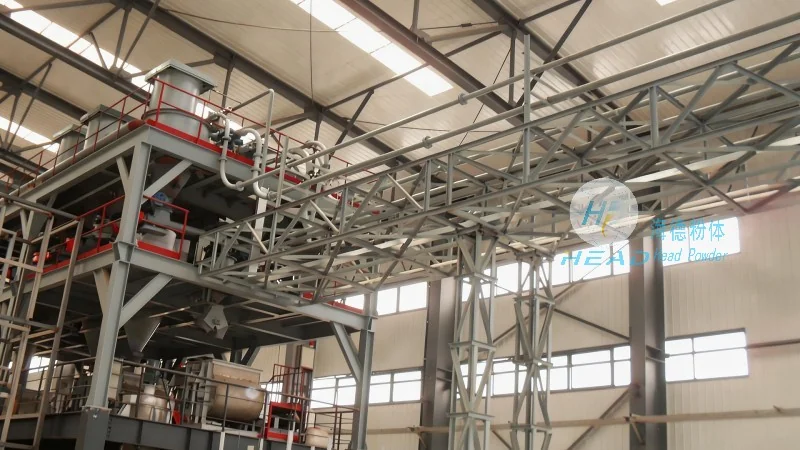
Applications and Industries Served
HeadPowder's desiccated gypsum pneumatic conveying systems are widely used in various industries that rely on gypsum as a raw material. The primary applications include the construction industry, where gypsum is used to produce drywall and plaster products. The system is also utilized in the agricultural sector, where gypsum is applied as a soil amendment to improve soil structure and fertility. Additionally, the system is employed in the pharmaceutical and food industries, where gypsum is used as a filler or binder in various products. The versatility of the system makes it suitable for both batch and continuous operations, catering to the diverse needs of different industries.
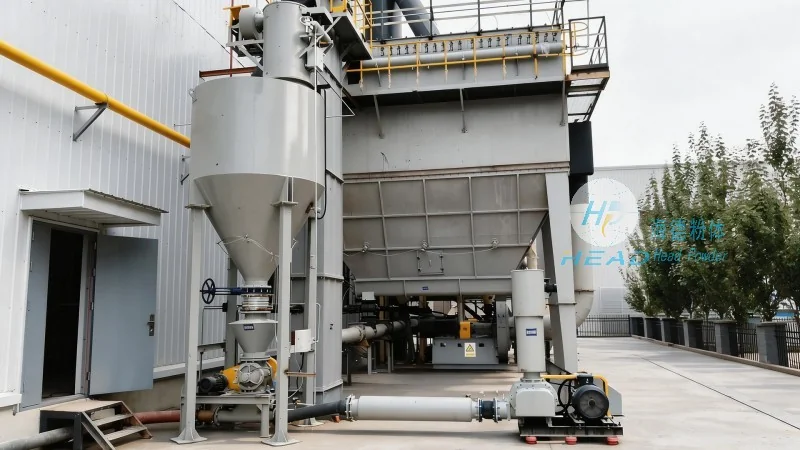
Advantages of Choosing HeadPowder's Desiccated Gypsum Pneumatic Conveying System
When compared to traditional conveying methods, HeadPowder's pneumatic system offers several distinct advantages that make it the preferred choice for many businesses. First, the system provides high efficiency in material transport, with minimal downtime and reduced maintenance costs. The enclosed pipeline design prevents contamination from external sources, ensuring that the gypsum remains in its original state. Second, the system is highly adaptable, allowing for integration with existing processing lines or expansion as production needs grow. Third, the use of advanced control technologies ensures consistent performance, reducing the risk of material loss or quality issues. Finally, the system is designed with safety in mind, incorporating features such as pressure relief valves and emergency shut-off mechanisms to protect operators and equipment from potential hazards.
About Shandong HeadPowder Engineering Co., Ltd.
Shandong HeadPowder Engineering Co., Ltd., operating under the brand name HeadPowder, is a leading manufacturer of pneumatic conveying systems and related equipment. The company is headquartered in Shandong, China, and has established itself as a trusted partner for industries requiring reliable material handling solutions. HeadPowder specializes in customizing systems to meet specific client requirements, ensuring that each solution is tailored to the unique challenges and operational needs of the customer. The company's commitment to quality, innovation, and customer satisfaction has earned it a reputation for excellence in the industry.