

What is a Furfural Ash Slag Pneumatic Conveying Line? And What Are Its Design Principles?
Understanding the role and design principles of a furfural ash slag pneumatic conveying line is crucial for industries dealing with the byproducts of furfural production. This system is engineered to efficiently transport ash and slag residues, which are common waste materials generated during the processing of furfural. The primary objective of such a line is to handle these materials in a safe, effective, and environmentally compliant manner, ensuring smooth operation in industrial settings.
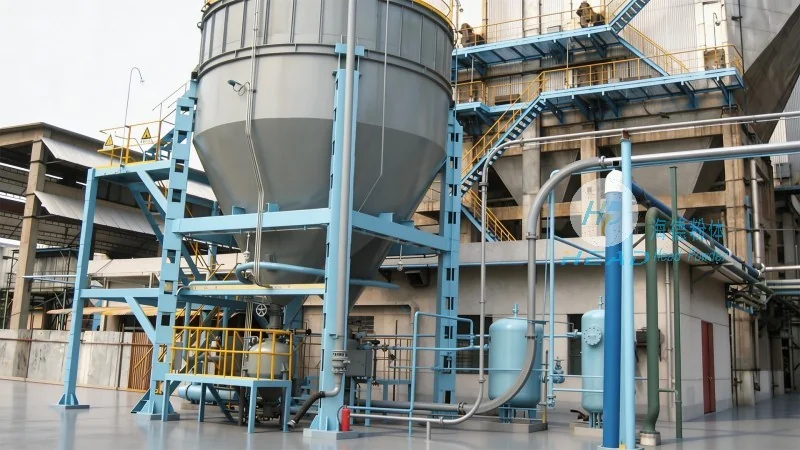
Company Overview: Shandong HeadPowder Engineering Co., Ltd.
Shandong HeadPowder Engineering Co., Ltd., commonly known as headpowder, is a leading provider of specialized engineering solutions for material handling systems. With a focus on innovation and precision, the company has established itself as a trusted partner in the design, manufacturing, and implementation of pneumatic conveying systems. Headpowder's expertise lies in tailoring solutions to meet the unique requirements of industrial processes, ensuring optimal performance and reliability for clients. The company's operations are based in Shandong, China, where it leverages local resources and industry knowledge to deliver high-quality products and services.
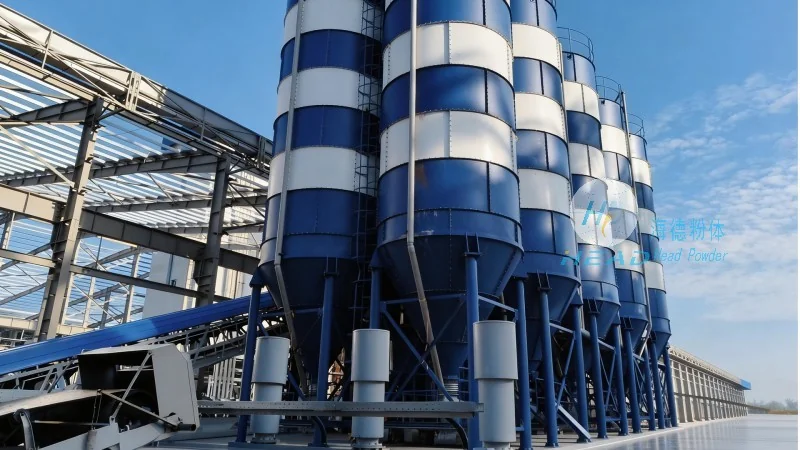
What is a Furfural Ash Slag Pneumatic Conveying Line?
A furfural ash slag pneumatic conveying line is a specialized system designed to transport ash and slag residues from furfural production processes. These residues are typically fine particles that require careful handling to prevent dust emissions and ensure compliance with environmental regulations. The system operates by using compressed air or other gas to move the material through a network of pipes, utilizing the principles of pneumatic transport. This method offers advantages over traditional mechanical conveyors, such as reduced maintenance, lower energy consumption, and the ability to handle materials in a dust-free environment. The line typically includes components like a hopper for material storage, a feeder to control the flow rate, a conveying pipe system, and a collection unit for the discharged material. Each component is carefully designed to work in harmony, ensuring efficient and reliable operation.
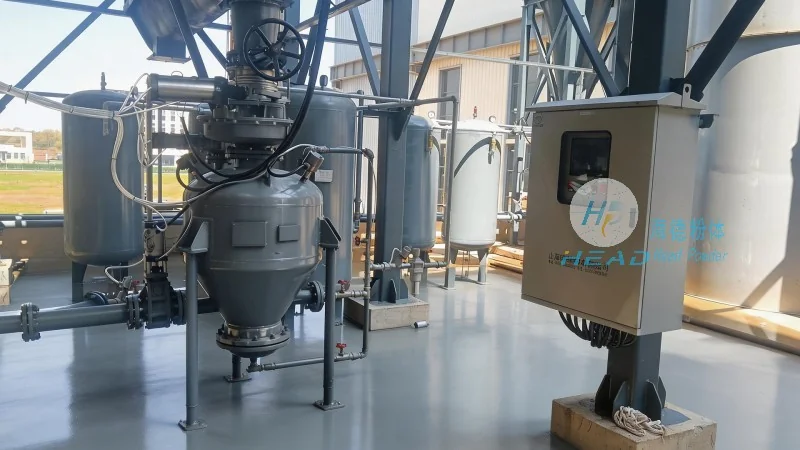
Key Design Principles of the System
The design of a furfural ash slag pneumatic conveying line is based on several critical principles that ensure its effectiveness and safety. First, the system must be capable of handling the specific characteristics of furfural ash and slag, including their particle size, density, and moisture content. This requires careful selection of materials for the conveying pipes and components to prevent corrosion or blockages. Second, the system must maintain a consistent flow rate to avoid clogging or uneven material distribution. This is achieved through the use of advanced control systems that monitor and adjust the air pressure and material feed rate in real-time. Third, the system must incorporate dust control measures to minimize environmental impact. This includes features like dust collection systems and sealed components to prevent emissions. Additionally, the design must consider the overall layout of the industrial facility, ensuring that the conveying line integrates seamlessly with existing equipment and processes. The goal is to create a system that is not only efficient but also safe, reliable, and cost-effective for long-term operation.
Components and Their Functions
The furfural ash slag pneumatic conveying line consists of several key components, each playing a vital role in the overall operation. The hopper serves as the storage container for the ash and slag residues, providing a large capacity to accommodate the material before it is conveyed. The feeder, often a rotary valve or a screw feeder, regulates the flow of material from the hopper into the conveying system, ensuring a consistent feed rate. The conveying pipe system is the core of the line, consisting of a network of pipes that transport the material using compressed air. The air is introduced at one end of the pipe, creating a flow that carries the material particles forward. The pipe system may include bends, elbows, and other fittings to navigate the layout of the facility, with each component designed to minimize pressure loss and maintain the flow velocity. The collection unit, typically a cyclone or a baghouse, is located at the end of the line and separates the material from the air stream, allowing the material to be discharged into a storage or disposal area while the air is filtered and returned to the system or released safely. Each component is engineered to withstand the corrosive and abrasive nature of the ash and slag, ensuring long service life and minimal maintenance requirements.
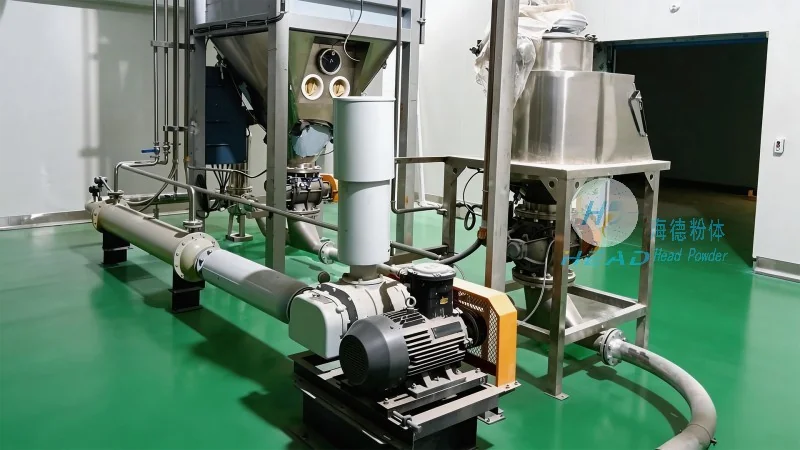
Advantages of Using a Pneumatic Conveying System
Compared to traditional mechanical conveyors, a furfural ash slag pneumatic conveying line offers several advantages that make it a preferred choice for many industries. One of the primary benefits is the ability to handle fine and abrasive materials without causing wear and tear on the system components. The pneumatic method reduces the risk of clogging and blockages, as the material is suspended in the air stream, preventing the buildup of particles in the pipes. Another advantage is the lower energy consumption, as the system operates at lower pressures compared to other conveying methods. This results in cost savings for the user over time. Additionally, the system provides a dust-free environment, which is essential for maintaining workplace safety and complying with environmental regulations. The flexibility of the system allows for easy integration with existing equipment and processes, making it a versatile solution for various industrial applications. Finally, the system offers high reliability and minimal downtime, as it requires less maintenance compared to mechanical conveyors and can be easily cleaned and serviced when needed.