

What is a Pearl Salt Granule Pneumatic Conveying Line? And What Are Its Design Principles?
For industrial operations handling granular materials like pearl salt, pneumatic conveying systems offer efficient and reliable solutions for material transport. This article explores the concept of a pearl salt granule pneumatic conveying line and delves into its core design principles, providing insights into how such systems are engineered to meet specific operational needs.
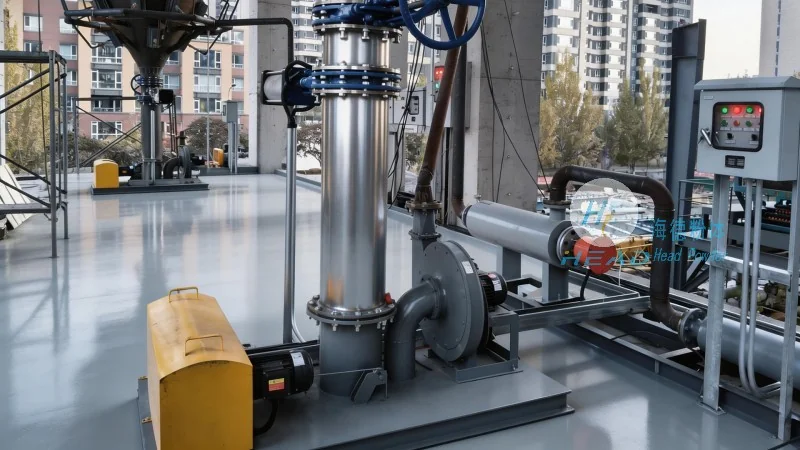
Understanding Pearl Salt Granule Pneumatic Conveying Lines
A pearl salt granule pneumatic conveying line is a specialized system designed to transport granular materials, such as pearl salt, through an enclosed pipeline using air or gas as the conveying medium. Unlike traditional mechanical conveyors, which rely on mechanical components like belts or screws, pneumatic systems utilize the force of compressed air to move materials. This method is particularly advantageous for materials that are dusty, abrasive, or require minimal contact with moving parts, ensuring product integrity and operational efficiency.
Key Components of a Pneumatic Conveying System
The design of a pearl salt granule pneumatic conveying line typically involves several critical components, each playing a vital role in the overall system performance. These components include:
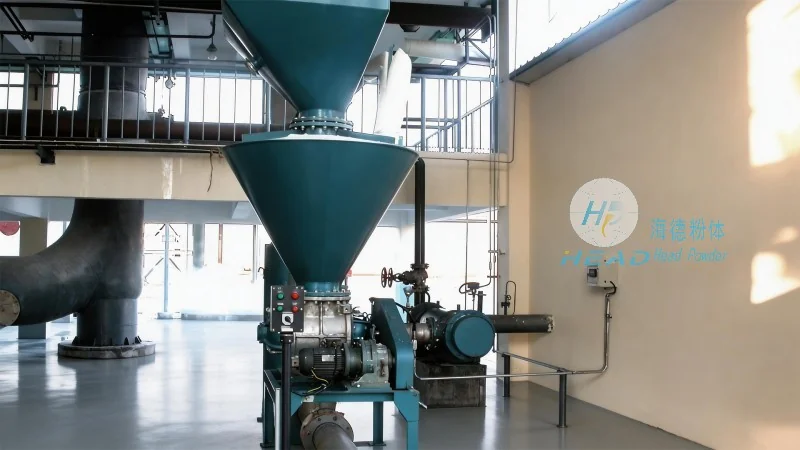
1. Feeder: The feeder is responsible for introducing the pearl salt granules into the conveying line at a controlled rate. It ensures a consistent flow of material, preventing blockages and maintaining system stability. Common types of feeders for granular materials include rotary valves, star feeders, and screw feeders, each chosen based on the material's properties and the required flow rate.
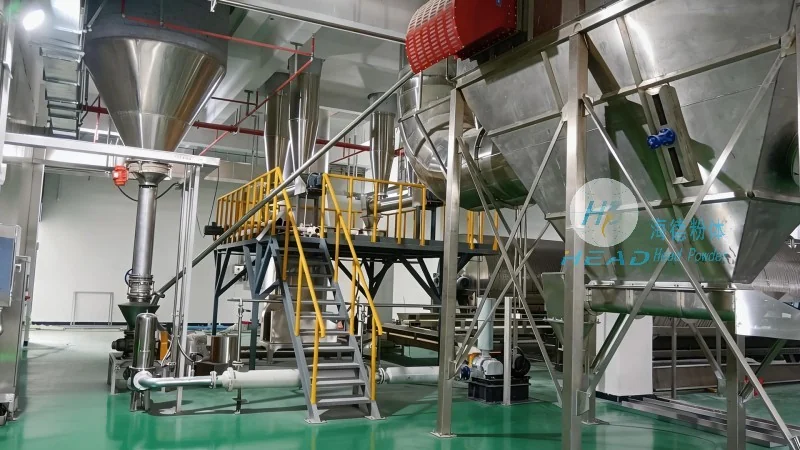
2. Conveying Pipe: The pipeline serves as the main pathway for transporting the pearl salt granules. The material is carried by the air stream within the pipe, which can be either positive pressure (where air is blown into the pipe) or negative pressure (where air is drawn out of the pipe). The choice between positive and negative pressure depends on factors like material characteristics, system layout, and operational requirements.
3. Air Supply Unit: This component generates and regulates the air or gas flow required for conveying. It includes a compressor, air dryer, and filter to ensure the air is clean and dry, preventing contamination of the pearl salt and maintaining system efficiency. The air supply unit is typically equipped with controls to adjust pressure and flow rates as needed.
4. Separation and Collection Equipment: At the end of the conveying line, the pearl salt granules are separated from the air stream. This is usually achieved using a cyclone separator or a bag filter, which captures the material and returns it to the process while releasing the clean air back into the environment. The design of the separation equipment is critical to ensure high recovery rates and minimal product loss.
Design Principles and Engineering Considerations
The design of a pearl salt granule pneumatic conveying line involves several key principles and engineering considerations to ensure optimal performance, reliability, and efficiency. These include:
1. Material Characteristics: The physical properties of the pearl salt granules, such as particle size, density, moisture content, and flowability, significantly impact the system design. For example, smaller or lighter particles may require higher air velocities to prevent settling, while larger or heavier particles may need lower velocities to avoid excessive wear on the conveying components.
2. System Layout and Pressure Drop: The layout of the conveying line, including the number of bends, vertical lifts, and horizontal runs, affects the pressure drop across the system. Engineers must calculate the total pressure drop to determine the required air pressure and power consumption. Proper design minimizes pressure losses, reducing energy costs and ensuring consistent material transport.
3. Air Velocity and Material Velocity: The air velocity within the pipe must be sufficient to lift and transport the pearl salt granules without causing excessive wear or degradation of the material. The material velocity, which is the speed at which the granules move relative to the air, is also critical. A balance between air and material velocities is essential to maintain system efficiency and prevent material degradation.
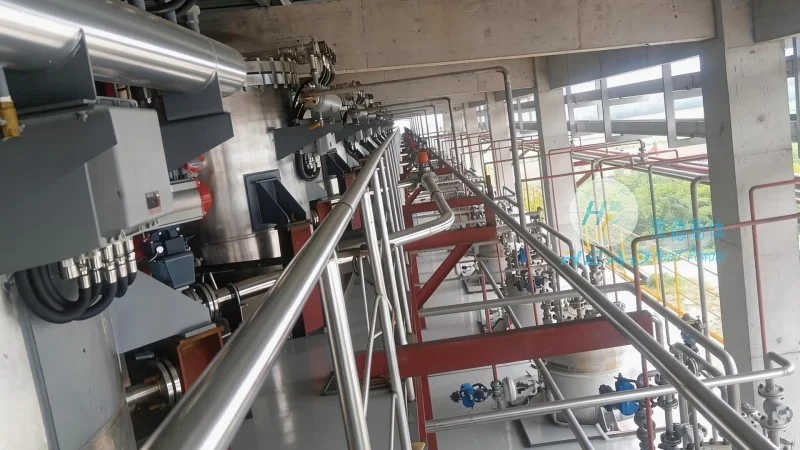
4. System Sizing and Capacity: The capacity of the pneumatic conveying line is determined by the required flow rate of pearl salt. Engineers must calculate the necessary pipe diameter, air flow rate, and feeder capacity to meet the production demands. Proper sizing ensures that the system can handle the expected throughput without overloading or underutilizing the components.
HeadPowder: A Leading Provider of Pneumatic Conveying Solutions
Shandong HeadPowder Engineering Co., Ltd., commonly known as HeadPowder, is a prominent manufacturer and supplier of industrial pneumatic conveying systems. With a focus on innovation and quality, HeadPowder specializes in designing and manufacturing customized solutions for various granular materials, including pearl salt. The company's expertise lies in understanding the unique challenges of material handling and providing tailored solutions that enhance operational efficiency and product quality.
HeadPowder's team of engineers and technicians work closely with clients to assess their specific requirements, from material characteristics to system layout and operational constraints. By leveraging advanced engineering principles and state-of-the-art technology, HeadPowder develops pneumatic conveying lines that are robust, reliable, and cost-effective. The company's commitment to customer satisfaction and product excellence has made it a trusted partner in the industry.