

[Yunying Stone Pneumatic Conveying Equipment Principle]
Yunying stone, a type of metamorphic rock, is widely used in various industrial applications due to its unique properties and abundant reserves. The efficient and reliable transportation of yunying stone from the source to processing facilities is crucial for optimizing production workflows. Pneumatic conveying equipment offers a solution that minimizes material handling costs and enhances operational safety by eliminating the need for mechanical components like belts or buckets.
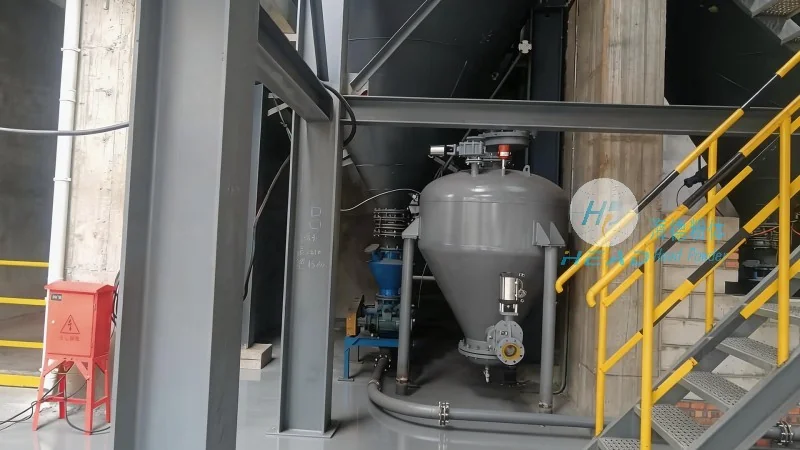
Overview of Pneumatic Conveying Technology
Pneumatic conveying systems utilize air or gas to transport bulk materials through a pipeline network. This method is particularly effective for handling yunying stone, which may contain abrasive particles that could damage traditional mechanical conveyors. The core principle involves creating a pressure differential between the inlet and outlet of the conveying line, allowing the material to be suspended and propelled by the moving air stream. There are two primary types of pneumatic conveying: pressure and vacuum systems, each tailored to specific material characteristics and operational requirements.
Key Components of Yunying Stone Pneumatic Conveying Equipment
The headpowder engineering team has designed specialized components to ensure optimal performance of yunying stone pneumatic conveying systems. These components include: 1. **Air Supply Unit**: A high-pressure blower or compressor that generates the necessary airflow to move the material. The selection of the air supply unit depends on the material's density, particle size, and the required conveying distance. For yunying stone, which is typically a fine to medium-grained material, a centrifugal blower with adjustable speed control is often preferred to maintain consistent air pressure. 2. **Material Feeder**: A hopper or rotary valve that controls the flow rate of yunying stone into the conveying line, preventing blockages and maintaining consistent material transport. The feeder is designed with a sloped bottom to facilitate smooth material discharge and is equipped with a vibration system to prevent material bridging. 3. **Conveying Pipe**: A robust, corrosion-resistant pipeline that withstands the abrasive nature of yunying stone particles. The pipe is usually made of stainless steel or high-density polyethylene, with internal smooth surfaces to minimize friction and reduce pressure drop. 4. **Separation and Collection System**: A cyclone or filter that separates the material from the air stream, ensuring clean material delivery and air filtration. The cyclone uses centrifugal force to separate the heavier material particles from the air, while the filter captures fine dust particles, preventing environmental contamination. 5. **Control Panel**: An automated system that monitors pressure, flow rate, and other parameters to maintain system efficiency and safety. The control panel includes sensors and alarms that alert operators to any abnormalities, such as pressure drops or material blockages, allowing for immediate intervention.
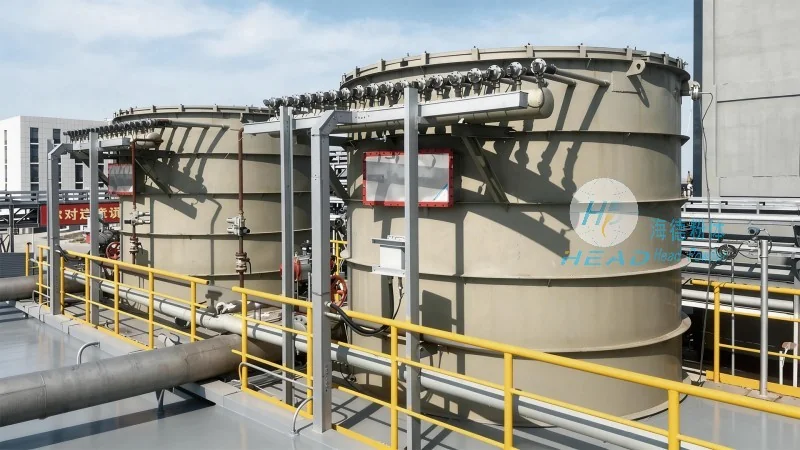
Working Principle of Yunying Stone Pneumatic Conveying
The operation of a yunying stone pneumatic conveying system begins with the material being fed into the hopper. The feeder then releases the stone into the conveying pipe, where it is entrained by the high-velocity air stream generated by the air supply unit. As the material travels through the pipeline, it is suspended and transported to the destination point. At the receiving end, the separation system removes the material from the air, allowing it to be collected in a storage bin or processing unit. The air, now filtered of dust, is then discharged back into the environment or recirculated for energy efficiency.
Advantages of Using Pneumatic Conveying for Yunying Stone
Implementing pneumatic conveying for yunying stone processing offers several advantages over traditional methods. Firstly, it reduces labor costs by automating the material handling process, minimizing the need for manual loading and unloading. Secondly, it enhances safety by eliminating the risk of material spillage and dust exposure, which can lead to respiratory issues or workplace accidents. Thirdly, the system is compact and can be integrated into existing processing facilities without major structural modifications. Additionally, pneumatic conveying systems are highly versatile, capable of transporting yunying stone over long distances and varying elevations with minimal energy consumption.
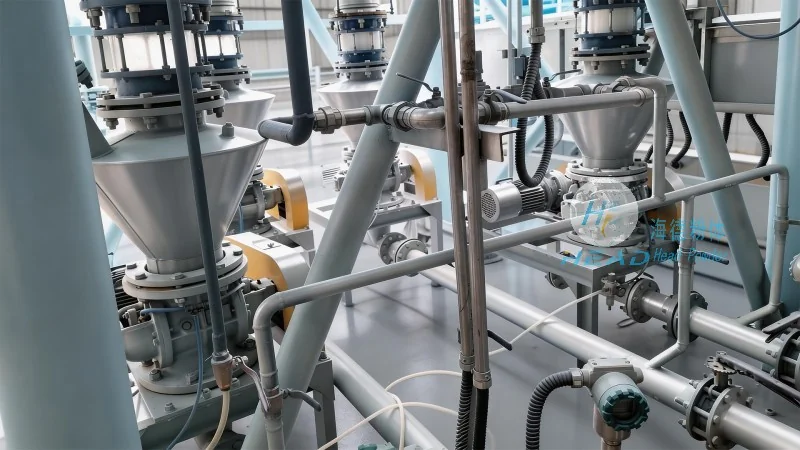
Application Scenarios in Industrial Settings
Yunying stone pneumatic conveying equipment is commonly used in mining, quarrying, and processing industries. For example, in a quarry operation, the equipment can transport crushed yunying stone from the crushing plant to a storage silo or directly to a grinding mill. In a manufacturing facility, it can move the material from a storage area to a mixing or blending unit for further processing. The flexibility of the system allows it to adapt to different production scales, from small-scale operations to large industrial plants. By streamlining the material transport process, the equipment contributes to overall operational efficiency and cost reduction.
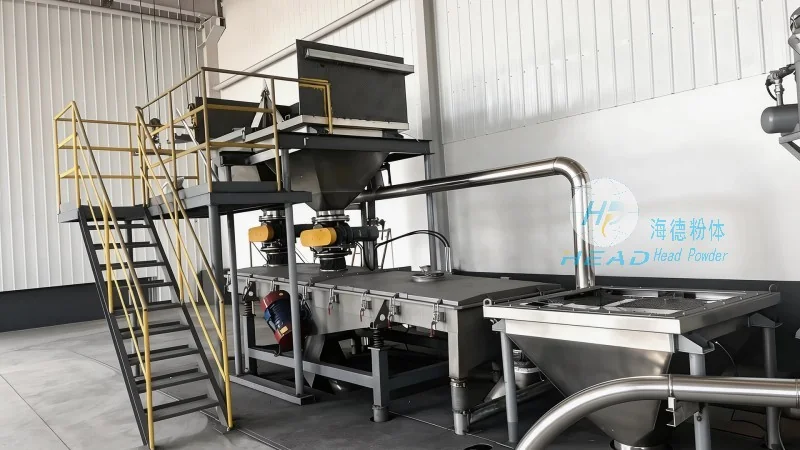
Maintenance and Operational Considerations
To ensure the longevity and reliability of yunying stone pneumatic conveying systems, regular maintenance is essential. The headpowder engineering team recommends routine checks of the air supply unit, ensuring it operates within specified pressure and temperature ranges. The material feeder should be inspected for wear and tear, as abrasive yunying stone particles can cause premature failure of components. The conveying pipe and separation system require periodic cleaning to prevent clogging and maintain air flow efficiency. Additionally, monitoring the system's performance metrics, such as pressure drop and material flow rate, helps identify potential issues before they escalate into major problems. Proper maintenance not only extends the equipment's lifespan but also ensures consistent material quality and system performance.
Conclusion
Yunying stone pneumatic conveying equipment, developed by Shandong HeadPowder Engineering Co., Ltd., represents a sophisticated solution for efficient material handling in industrial applications. By leveraging pneumatic conveying technology, companies can optimize their production processes, reduce operational costs, and enhance workplace safety. The robust design and comprehensive components of the system make it suitable for handling the abrasive nature of yunying stone, ensuring reliable and continuous operation. As industries continue to seek more efficient and sustainable material transport solutions, the yunying stone pneumatic conveying equipment from headpowder engineering remains a leading choice for businesses in the region and beyond.