

Principle of Air-Solid Pneumatic Conveying Equipment for Monosodium Glutamate Powder
HeadPowder, a leading engineering company based in Shandong, China, specializes in the design and manufacturing of advanced air-solid pneumatic conveying systems tailored for the handling of monosodium glutamate (MSG) powder. This equipment is engineered to efficiently transport bulk MSG powder from storage silos to processing lines, ensuring minimal product degradation and maintaining high operational reliability. The core principle of these systems lies in the use of compressed air to create a fluidized state within the conveying pipeline, allowing the powder to be transported in a suspended state without direct contact with the pipeline interior.
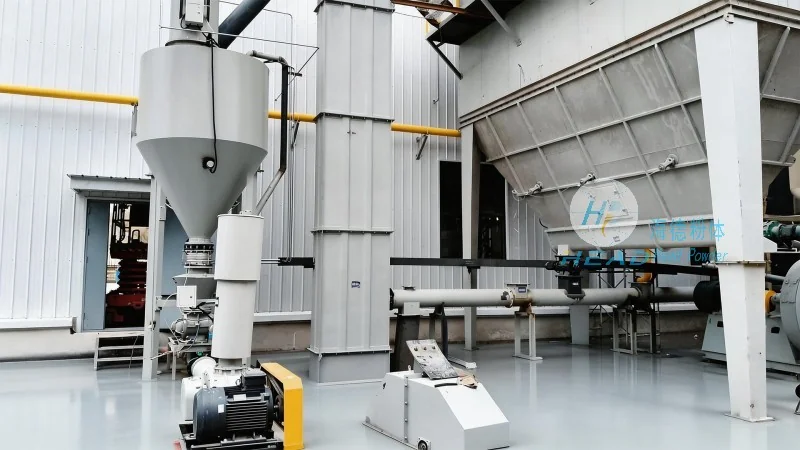
Key Components and Working Principle
The air-solid pneumatic conveying equipment for MSG powder typically consists of several critical components, each playing a vital role in the overall conveying process. The system begins with a hopper or storage silo where the MSG powder is stored under controlled conditions. A rotary valve or feeder is used to regulate the flow of powder into the conveying line, ensuring a consistent and controlled feed rate. The compressed air is introduced into the pipeline through a venturi or air lock, creating a pressure differential that lifts the powder particles into suspension. As the air and powder mixture travels through the pipeline, the velocity and pressure are maintained at optimal levels to prevent particle segregation and ensure smooth transport. The conveying line may include bends, expansions, or filters to manage the flow and protect the system from blockages or contamination. At the discharge end, a cyclone separator or filter separates the powder from the air, allowing the air to be recycled or vented while the MSG powder is collected in a receiving hopper or processing vessel.
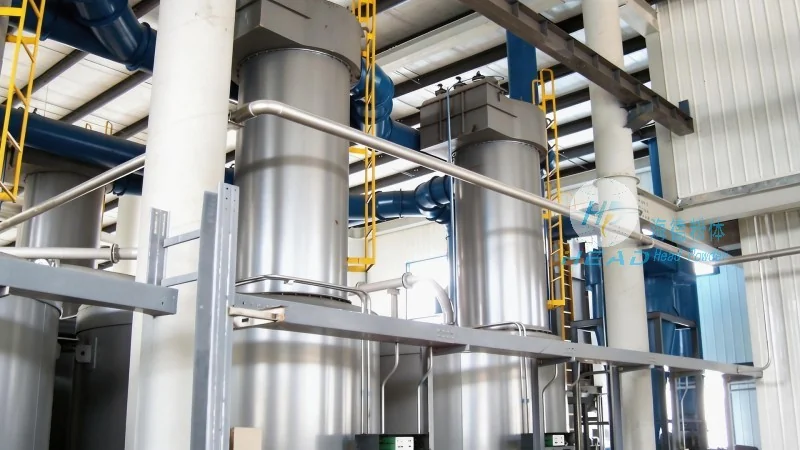
Advantages of Air-Solid Pneumatic Conveying for MSG Powder
Compared to traditional mechanical conveying methods, air-solid pneumatic conveying offers several distinct advantages for handling monosodium glutamate powder. Firstly, it eliminates the need for mechanical components such as belts, chains, or screws that can cause product contamination or wear over time. The absence of moving parts reduces maintenance requirements and extends the service life of the equipment. Secondly, the system provides excellent control over the flow rate and pressure, allowing for precise dosing and consistent product delivery to downstream processes. This is particularly important in food processing applications where uniformity and quality are paramount. Thirdly, the enclosed pipeline design prevents dust emissions and protects the MSG powder from environmental factors such as moisture or contamination, ensuring product integrity throughout the conveying process. Additionally, the ability to transport MSG powder over long distances without the need for intermediate storage or handling points enhances operational efficiency and reduces labor costs.
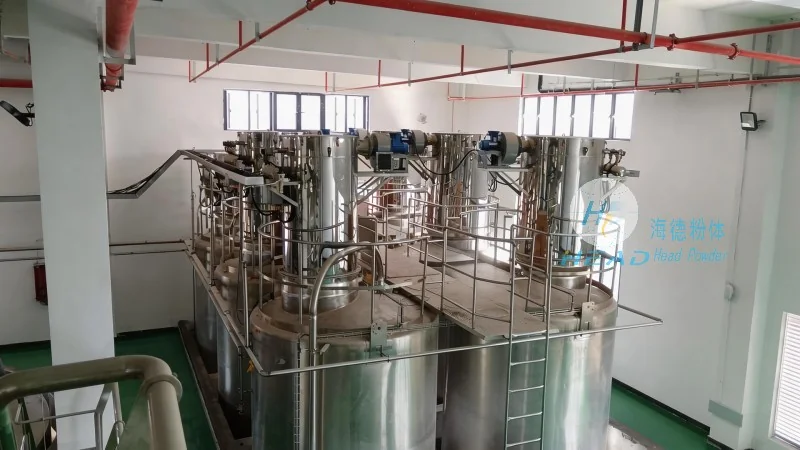
Application Scenarios and Customization
HeadPowder's air-solid pneumatic conveying equipment is versatile and can be customized to meet the specific requirements of various MSG processing facilities. The systems are available in different configurations, including positive pressure, negative pressure, or mixed pressure designs, depending on the plant layout and operational needs. For example, positive pressure systems are commonly used for conveying MSG powder from a central silo to multiple processing lines, while negative pressure systems are suitable for handling powders with high moisture content or for applications requiring a dust-free environment. The conveying line diameter and length can be adjusted to accommodate different production capacities, with some systems capable of transporting up to several hundred tons of MSG powder per hour. The equipment can also be integrated with other processing equipment, such as mixers, blenders, or packaging machines, to form a complete production line. HeadPowder's engineering team works closely with clients to assess their specific needs, including the type and quantity of MSG powder, the distance to be conveyed, and the required flow rate, to design a customized solution that maximizes efficiency and minimizes operational costs.
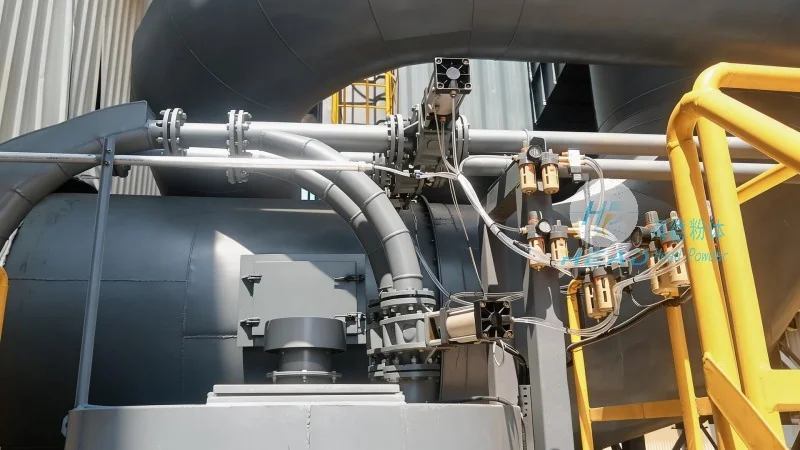
Maintenance and Operational Considerations
Proper maintenance and operational practices are essential to ensure the long-term performance and reliability of air-solid pneumatic conveying equipment for MSG powder. Regular inspection of the conveying line, rotary valve, and air filter is necessary to detect and address any potential issues before they escalate into major problems. The air filter should be cleaned or replaced regularly to prevent clogging, which can reduce airflow and cause pressure drops in the system. The rotary valve and feeder should be checked for wear and tear, and lubricated as needed to maintain smooth operation. In addition, the cyclone separator or filter at the discharge end should be cleaned periodically to prevent accumulation of powder, which can affect the separation efficiency and increase maintenance requirements. Proper training of operators on the correct operation and maintenance of the equipment is also crucial to ensure safe and efficient operation. HeadPowder provides comprehensive maintenance services and technical support to its clients, including on-site inspections, troubleshooting, and spare parts supply, to help maintain the optimal performance of the air-solid pneumatic conveying systems.