

Principle of Red Sugar Pneumatic Conveying Equipment
Shandong HeadPowder Engineering Co., Ltd., commonly known as headpowder, is a professional manufacturer and supplier of pneumatic conveying equipment based in Shandong, China. The company specializes in providing customized solutions for material handling, with a focus on the unique requirements of the sugar industry, particularly for red sugar.
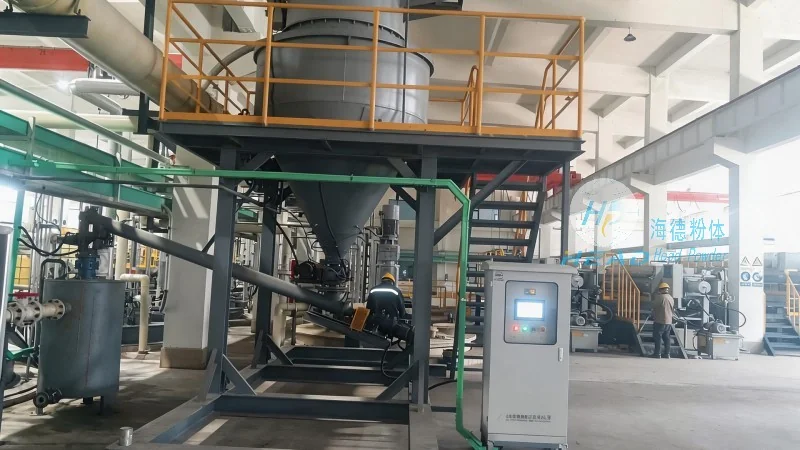
Overview of Red Sugar Pneumatic Conveying Equipment
Pneumatic conveying systems are widely used in the sugar processing industry to transport red sugar from storage silos, processing lines, or packaging areas. These systems utilize air as the primary medium to move solid particles, offering advantages such as dust-free operation, reduced product contamination, and the ability to handle materials in a continuous, enclosed process. For red sugar, which often has a granular structure and varying moisture content, specialized equipment is essential to ensure efficient and reliable transport.
The Fundamental Principle of Pneumatic Conveying
The core principle of pneumatic conveying is the use of air flow to create a pressure differential that propels solid particles through a pipeline. There are two main types of pneumatic conveying systems: suction (or vacuum) systems and pressure systems. Suction systems operate by creating a negative pressure at the inlet, drawing material into the pipeline, while pressure systems use positive pressure to push material through the system. For red sugar, the choice between these systems depends on factors like the distance to be covered, the height of the lift, and the material's characteristics.
Key Components and Their Functions
A typical red sugar pneumatic conveying system consists of several critical components, each playing a vital role in the overall operation. The main components include:
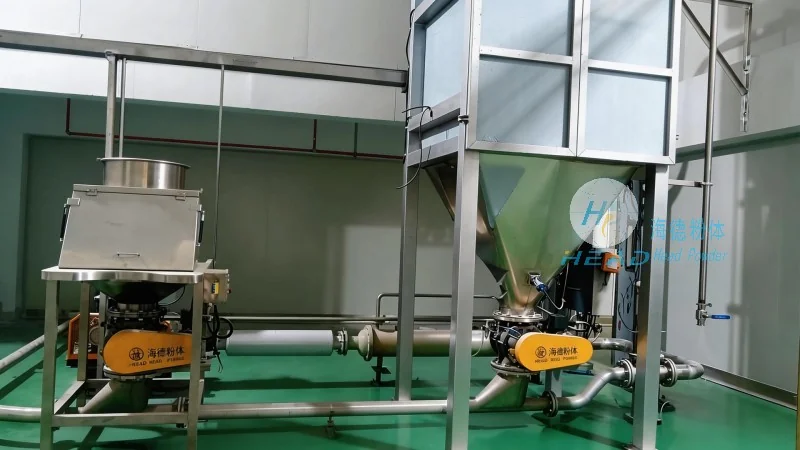
- Feed Hopper and Feeder: The feed hopper stores the red sugar and feeds it into the system at a controlled rate. The feeder, often a rotary valve or a screw feeder, ensures a consistent flow of material into the conveying line, preventing blockages and maintaining system efficiency.
- Conveying Pipeline: Made from materials such as stainless steel or food-grade plastic, the pipeline is designed to withstand the abrasive nature of red sugar particles and resist corrosion. The pipeline layout is carefully planned to minimize pressure drops and ensure smooth material flow.
- Conveying Air System: This includes the air compressor or vacuum pump, air filters, and pressure regulators. The air system provides the necessary pressure or vacuum to move the red sugar through the pipeline. For red sugar, the air quality is critical to avoid contamination, so high-efficiency filters are typically used.
- Separation and Dust Collection: At the receiving end, a separator or cyclone separates the red sugar from the air stream. The separated sugar is collected in a discharge hopper, while the air passes through a dust collector to remove any residual particles before being released or recirculated.
Working Process of the Equipment
The operation of a red sugar pneumatic conveying system follows a sequential process. Initially, red sugar is loaded into the feed hopper. The feeder then meters the material into the conveying pipeline. Simultaneously, the air compressor generates the required air pressure or vacuum. The air and sugar particles are mixed at the inlet of the pipeline, creating a slurry that is propelled forward by the air flow. As the mixture travels through the pipeline, it passes through bends, valves, and other components, which are designed to maintain the flow without causing excessive pressure loss or material degradation.
Upon reaching the receiving end, the mixture enters the separator. The centrifugal force in the separator causes the heavier red sugar particles to separate from the air. The separated sugar falls into the discharge hopper, ready for further processing or packaging. The air, now relatively clean, is drawn into the dust collector, where any remaining sugar particles are captured and returned to the system or disposed of as waste. This closed-loop system ensures minimal product loss and maintains a clean working environment.
Technical Advantages for Red Sugar Handling
When applied to red sugar, pneumatic conveying equipment offers several key advantages that make it an ideal choice for sugar processing facilities:
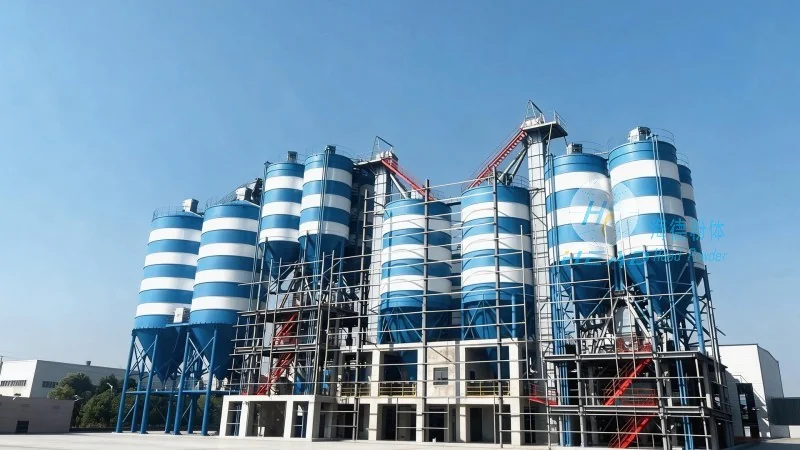
- Efficiency and Speed: The continuous operation of pneumatic systems allows for high throughput rates, enabling sugar processing plants to handle large volumes of red sugar quickly and efficiently.
- Reduced Product Contamination: The enclosed pipeline design prevents exposure to external contaminants, such as dust, moisture, or other materials, ensuring the purity of the red sugar.
- Minimized Material Loss: Compared to traditional methods like bucket elevators or belt conveyors, pneumatic systems have lower product loss due to reduced friction and better control over material flow.
- Flexibility in Layout: The ability to route the pipeline vertically, horizontally, or at angles allows for flexible plant layouts, adapting to the existing infrastructure of sugar processing facilities.
- Low Maintenance Requirements: With fewer moving parts compared to mechanical conveyors, pneumatic systems generally require less maintenance, reducing downtime and operational costs.
Application in Sugar Processing
Red sugar pneumatic conveying equipment is commonly used in various stages of the sugar production process. For example, it can be employed to transport raw red sugar from storage silos to the refining or grinding units. It may also be used to move processed red sugar from the filtration or crystallization stages to the packaging area. In some cases, the system can be integrated with other processing equipment, such as mixers or dryers, to create a seamless material handling workflow. The adaptability of these systems makes them suitable for both new plant installations and retrofits in existing sugar processing facilities.
Maintenance and Operational Tips
To ensure the long-term performance and reliability of red sugar pneumatic conveying equipment, regular maintenance is essential. Key maintenance tasks include:
- Filter Cleaning and Replacement: The air filters and dust collector filters should be inspected and cleaned or replaced regularly to maintain air quality and prevent system blockages.
- Pipeline Inspection: Periodic checks of the conveying pipeline for signs of wear, corrosion, or blockages are necessary to prevent leaks or material buildup.
- Feeder Adjustment: The feeder speed and settings should be adjusted as needed to maintain a consistent material flow rate, avoiding overloading or underloading of the system.
- System Pressure Monitoring: Regular monitoring of the air pressure or vacuum levels helps identify any issues with the air system or pipeline, allowing for timely repairs.
By following these maintenance practices, sugar processing facilities can maximize the lifespan of their pneumatic conveying equipment and ensure consistent, high-quality transport of red sugar. The combination of advanced technology and proper maintenance makes pneumatic conveying an effective and reliable solution for handling red sugar in the modern sugar industry.