

Air Conveying in Bulk Corn Kernel Transportation
For agricultural operations dealing with large volumes of corn kernels, efficient and reliable bulk transport is crucial. Pneumatic conveying systems offer a robust solution to move corn kernels from storage to processing facilities or for distribution. This article explores the application of pneumatic conveying technology specifically in the context of bulk corn kernel transportation, highlighting the benefits and technical considerations involved.
Understanding Pneumatic Conveying Systems
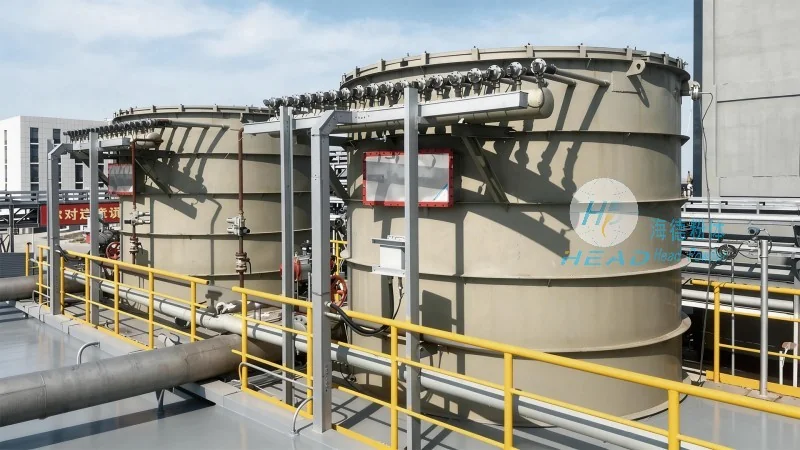
Pneumatic conveying uses air pressure to transport solid materials like corn kernels through a pipeline. There are two main types: pressure and vacuum systems. Pressure systems use compressed air to push material, while vacuum systems use a vacuum to pull material. For corn kernels, the choice of system depends on factors such as distance, volume, and the need for gentle handling to prevent kernel damage. The system typically consists of a hopper, a conveyor line, and a receiver. The hopper feeds the corn kernels into the system, and the air flow propels them through the pipeline to the receiver, where they are deposited.
Key Benefits of Pneumatic Conveying for Corn Kernel Transport
Implementing pneumatic conveying for corn kernel transport offers several advantages. First, it provides a dust-free environment, which is essential for maintaining product quality and safety in food processing. Unlike mechanical conveyors, pneumatic systems minimize the risk of contamination and reduce the need for cleaning and maintenance. Second, the technology allows for gentle handling of corn kernels, preserving their integrity and reducing breakage. This is particularly important for high-value corn products where kernel quality directly impacts market value. Third, pneumatic conveying systems can handle large volumes of material with high efficiency, reducing labor costs and increasing throughput. The ability to transport corn kernels over long distances without the need for intermediate storage points also streamlines operations and improves overall productivity.
Technical Considerations for Corn Kernel Pneumatic Conveying
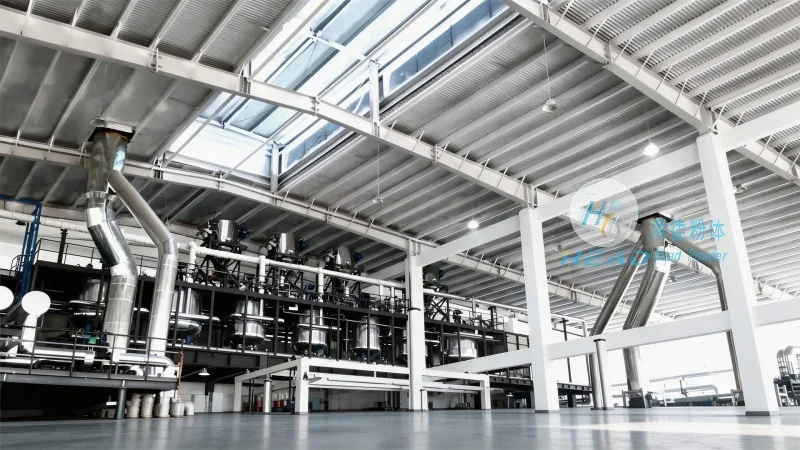
When designing a pneumatic conveying system for corn kernels, several technical factors must be considered. The first is the material's characteristics, such as particle size, density, and moisture content. Corn kernels vary in size and shape, and the system must be configured to handle these variations without clogging or excessive wear. The air velocity in the pipeline is critical; it must be high enough to move the kernels but low enough to prevent damage. The system's pressure drop is another key factor, as it affects energy consumption and the overall efficiency of the operation. Proper sizing of the pipeline, hopper, and receiver is essential to ensure smooth material flow and minimize pressure losses. Additionally, the system should include features like air filtration and moisture control to maintain the quality of the corn kernels during transport.
HeadPowder Engineering's Expertise in Pneumatic Conveying Solutions
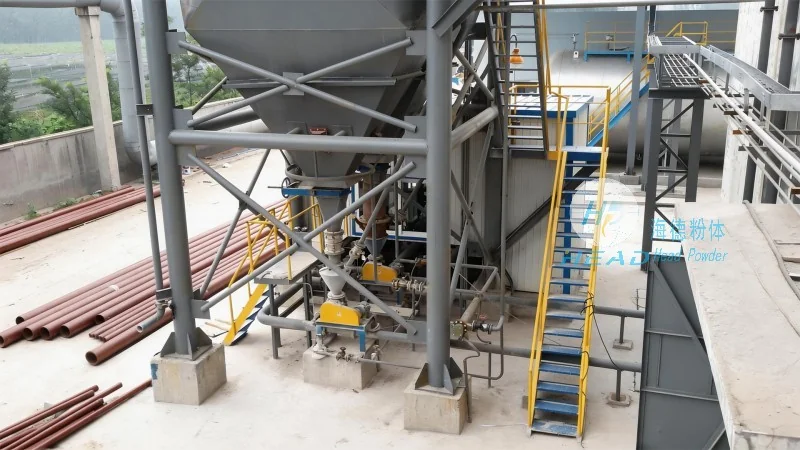
Shandong HeadPowder Engineering Co., Ltd. specializes in providing customized pneumatic conveying solutions tailored to the specific needs of corn kernel transport. With years of experience in the industry, the company understands the unique challenges of handling corn kernels and designs systems that address these challenges effectively. HeadPowder's engineers work closely with clients to assess their operational requirements, including the volume of corn kernels to be transported, the distance of the transport route, and the desired level of efficiency and product quality. The company offers a range of components, including high-quality hoppers, conveyor lines, and receivers, all designed to withstand the demands of corn kernel transport. Their expertise in material handling and pneumatic technology ensures that the systems they provide are reliable, efficient, and durable. By partnering with HeadPowder, agricultural operations can improve their corn kernel transport processes, reduce costs, and enhance overall productivity.
Conclusion
Pneumatic conveying is a highly effective method for bulk corn kernel transport, offering numerous benefits over traditional mechanical systems. By leveraging the expertise of companies like Shandong HeadPowder Engineering Co., Ltd., agricultural operations can implement efficient and reliable pneumatic conveying systems that meet their specific needs. These systems not only improve the efficiency of corn kernel transport but also enhance product quality and reduce operational costs. As the demand for efficient agricultural processing continues to grow, pneumatic conveying will remain a critical technology in the industry, ensuring that corn kernels are transported safely and effectively from the field to the market.