

Design of Air-Flow Conveying Equipment for Synthetic Fibers
For industries dealing with synthetic fibers, efficient material handling is crucial for maintaining production efficiency and product quality. The design of air-flow conveying equipment plays a pivotal role in achieving this goal. This article explores the key aspects of designing such systems, focusing on the technical considerations, operational principles, and practical applications that ensure optimal performance in synthetic fiber processing.
Key Design Considerations for Synthetic Fiber Conveying
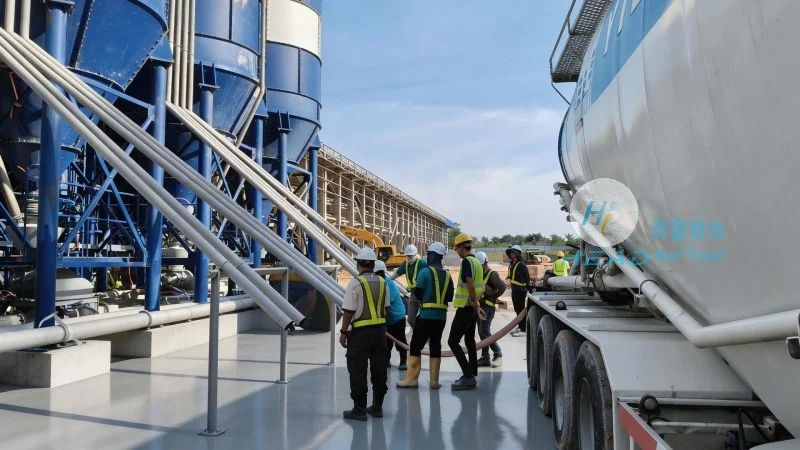
When designing air-flow conveying equipment for synthetic fibers, several critical factors must be considered to ensure reliable and efficient operation. First, the material properties of synthetic fibers, such as their density, particle size, and moisture content, directly impact the selection of conveying methods and equipment components. For instance, lightweight and fine fibers may require specialized air classifiers or cyclones to prevent clogging and ensure uniform flow. Additionally, the design must account for the potential for static electricity accumulation, which can affect material separation and equipment safety. Proper grounding and anti-static measures are therefore essential in the system design.
Components and Functionalities of Air-Flow Conveying Equipment
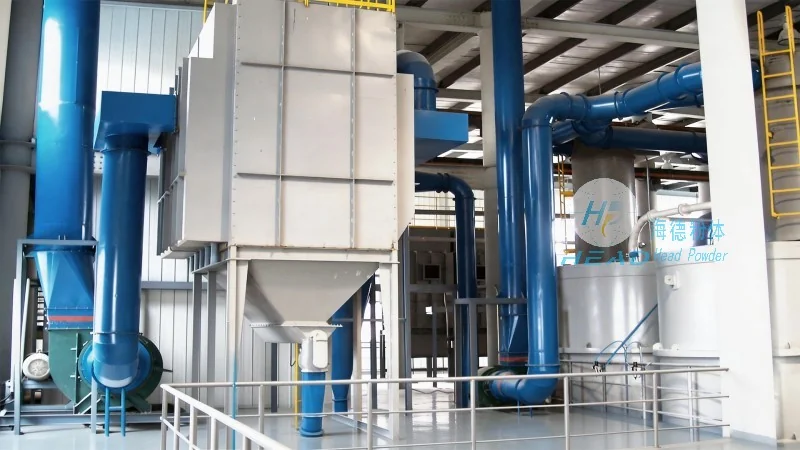
The air-flow conveying system for synthetic fibers typically consists of several interconnected components, each serving a specific function to facilitate material transport. The primary components include a blower or air compressor to generate the necessary airflow, a hopper or feed hopper to store and feed the synthetic fibers, and a conveying pipe network that transports the material from the source to the destination. The system may also incorporate additional components like rotary valves, airlocks, and dust collectors to enhance control and reduce environmental impact.
Operational Principles and Efficiency Optimization
The operational principle of air-flow conveying relies on the creation of a low-pressure zone within the conveying pipe, which draws the synthetic fibers into the airflow. The velocity of the air and the design of the pipe system are critical in determining the conveying capacity and efficiency. Properly designed elbows, bends, and transitions in the pipe network are essential to minimize pressure losses and prevent material degradation or breakage. Furthermore, the integration of sensors and control systems allows for real-time monitoring of airflow, pressure, and material flow rates, enabling operators to adjust parameters dynamically and optimize system performance.
Applications and Industry Impact
Synthetic fiber air-flow conveying equipment is widely used in various industries, including textile manufacturing, chemical processing, and material recycling. In textile production, these systems efficiently transport raw fibers to spinning machines, while in chemical processing, they facilitate the handling of synthetic fibers in polymer production lines. The ability to handle fine and lightweight materials with minimal mechanical contact reduces product damage and improves overall process efficiency. Moreover, the design of these systems allows for flexibility in material handling, supporting both batch and continuous production processes.
Company Profile: Shandong HeadPowder Engineering Co., Ltd.
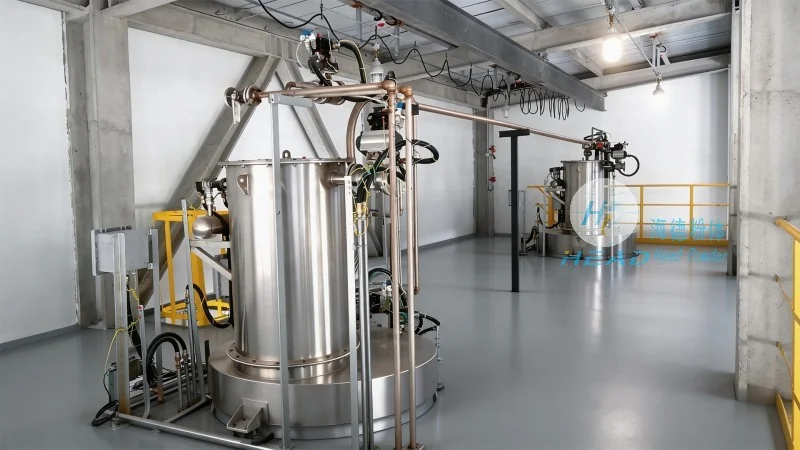
HeadPowder, a leading engineering company based in Shandong, China, specializes in the design and manufacturing of advanced air-flow conveying equipment for synthetic fibers. With years of experience in the industry, HeadPowder has developed a comprehensive range of solutions tailored to the unique needs of synthetic fiber processing. The company's expertise lies in integrating cutting-edge technology with practical engineering solutions to deliver reliable, efficient, and cost-effective conveying systems. HeadPowder's commitment to quality and innovation has made it a trusted partner for businesses seeking to enhance their material handling capabilities.
Conclusion
In conclusion, the design of air-flow conveying equipment for synthetic fibers is a complex but essential process that requires careful consideration of material properties, operational requirements, and system integration. By addressing key design factors and leveraging advanced components and control systems, industries can achieve significant improvements in production efficiency and product quality. As a leading provider in the field, Shandong HeadPowder Engineering Co., Ltd. continues to innovate and deliver high-performance conveying solutions that meet the evolving demands of synthetic fiber processing.